
Golf in Fife & St Andrews: A Planning Guide to the Home of Golf
Fife & St Andrews
What golf in Fife is actually like
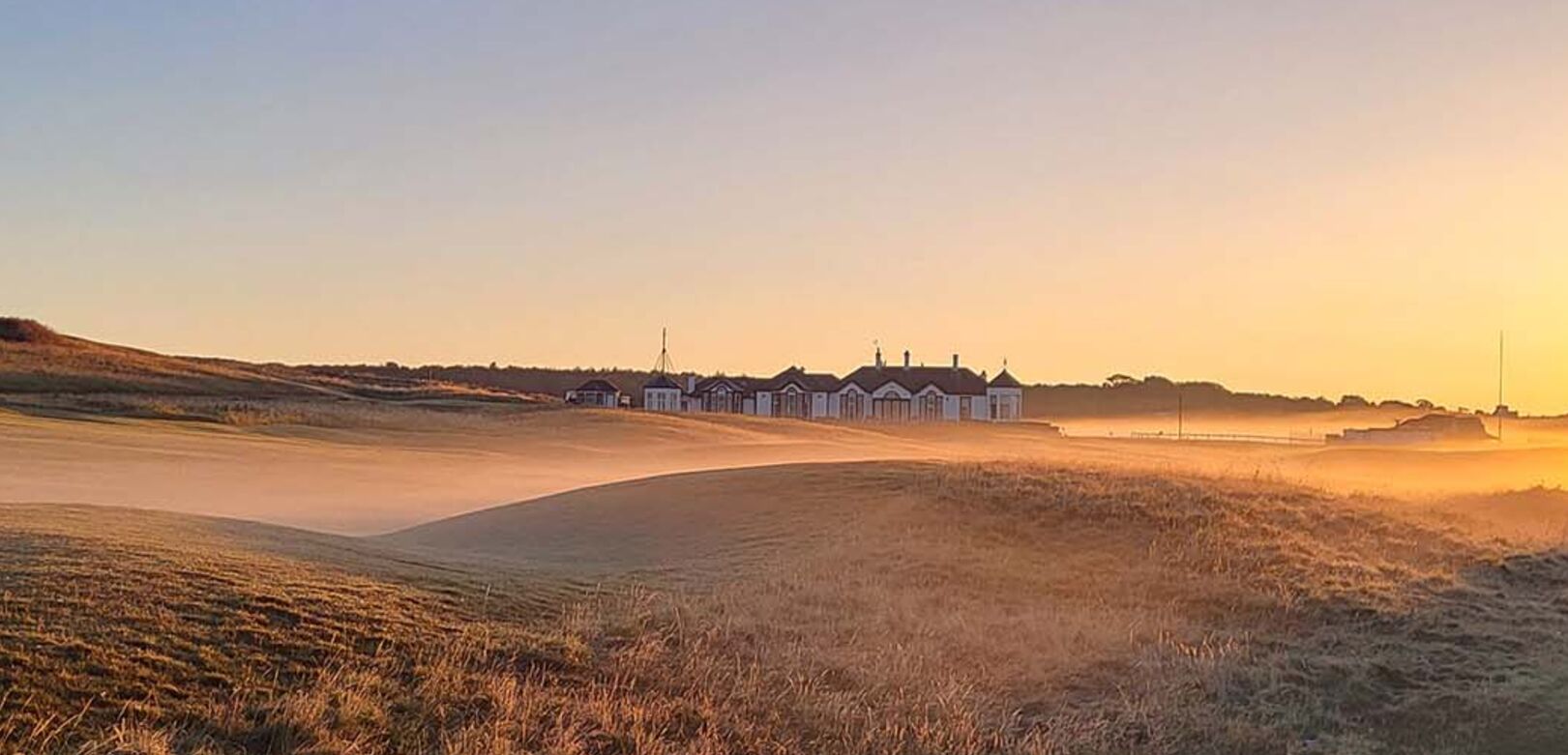
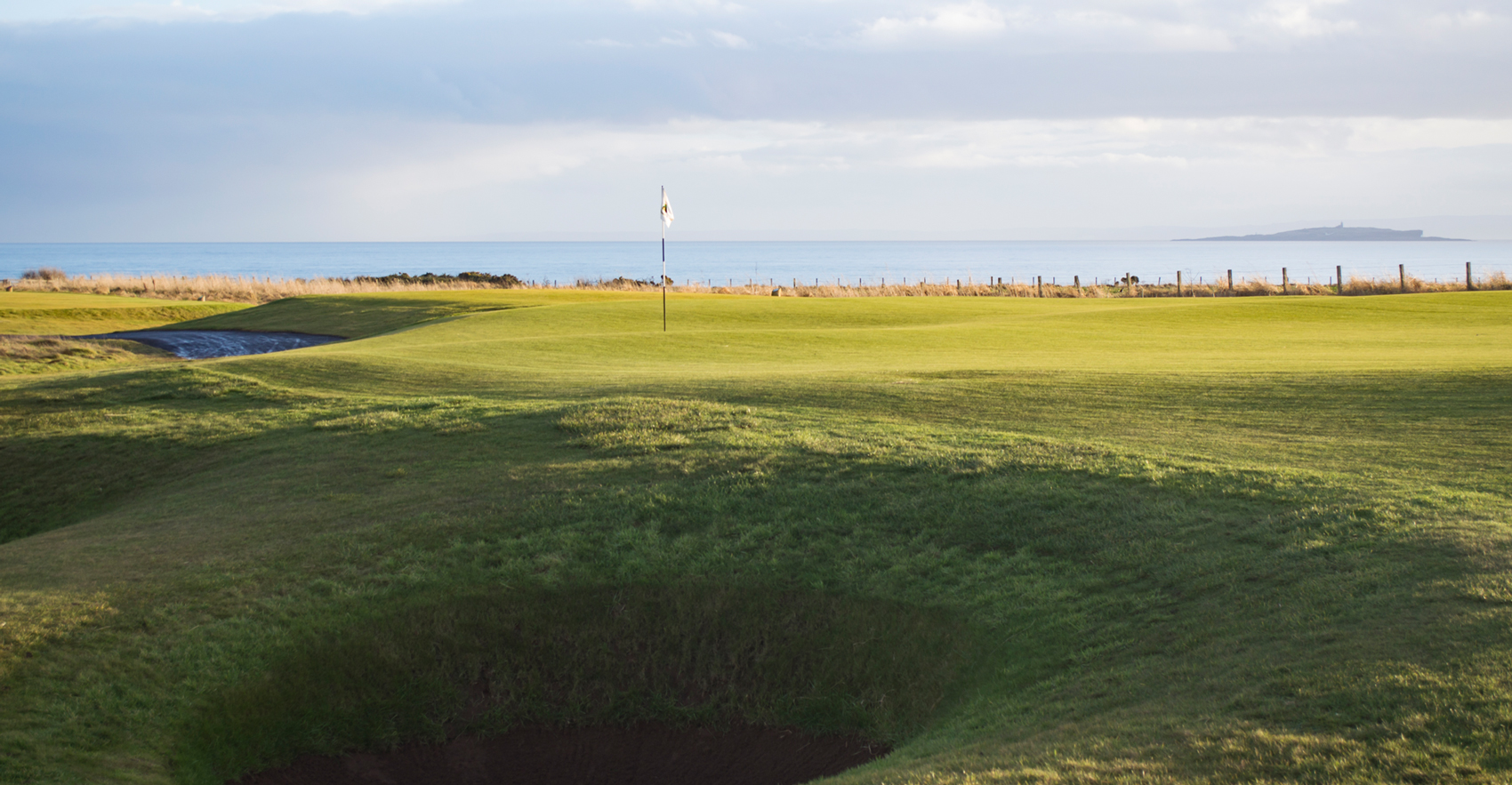
Fife is where golf stopped being a pastime and became an institution, and the region wears that history plainly rather than preciously. This is links country in its purest form: firm turf, sea wind, blind shots over gorse, and greens that reward the low runner over the high pitch. The land does most of the design work, and the best courses here simply get out of the way of it.
It is also a compact place. St Andrews itself is a small university town with an outsized golfing footprint, and the surrounding coast of the East Neuk is dotted with old links that have been played for well over a century. You can base yourself in one spot and reach almost everything worth playing inside an hour. That combination — dense, historic, walkable, and mostly on the coast — is why golfers cross oceans for it.
Expect to walk. Expect wind. Expect that the weather you started your round in is not the weather you will finish it in. If you make peace with all three, Fife is as good as the game gets.
When to go
The prime months are May through September, and within that, June and early September are the sweet spot: long daylight, the firmest turf of the year, and slightly less pressure on tee times than the July–August peak. Scottish summer days are enormously long this far north, which means you can genuinely play 36 holes and still eat dinner in daylight.
May and September carry more weather risk but reward you with better availability and softer prices on accommodation. April and October are shoulder season — playable, often beautiful, but cold winds off the North Sea and shorter days demand you plan tighter. Winter golf exists here and the links drain famously well, but you are gambling on daylight and gales, and several courses run reduced setups.
The single biggest planning fact for this region is demand for the Old Course. It runs a daily ballot for tee times, closes on Sundays, and books out its advance times far ahead. If your trip hinges on playing it, build the rest of the itinerary around that uncertainty rather than assuming it. Kingsbarns and the Castle Course are also heavily booked in high season and should be reserved well in advance.
The courses worth planning around
St Andrews itself
The Old Course is the reason most people come, and it earns the pilgrimage — the double greens, the Swilcan Bridge, the Road Hole, the sheer weight of the place. It is not the hardest course you will play, but it is the one you will remember shot for shot. Understand the ballot system and the Sunday closure before you build a day around it.
Just outside town on the cliffs, the Castle Course is the modern counterpoint: a dramatic, exposed layout with big sea views and severe, rolling greens that divide opinion. It is a different animal from the town links — younger, more contoured, and more punishing in wind. The Baird Course gives you another St Andrews option to fold into a multi-day stay, and Craigtoun Course sits nearby for a change of pace away from the coast.
The East Neuk coast
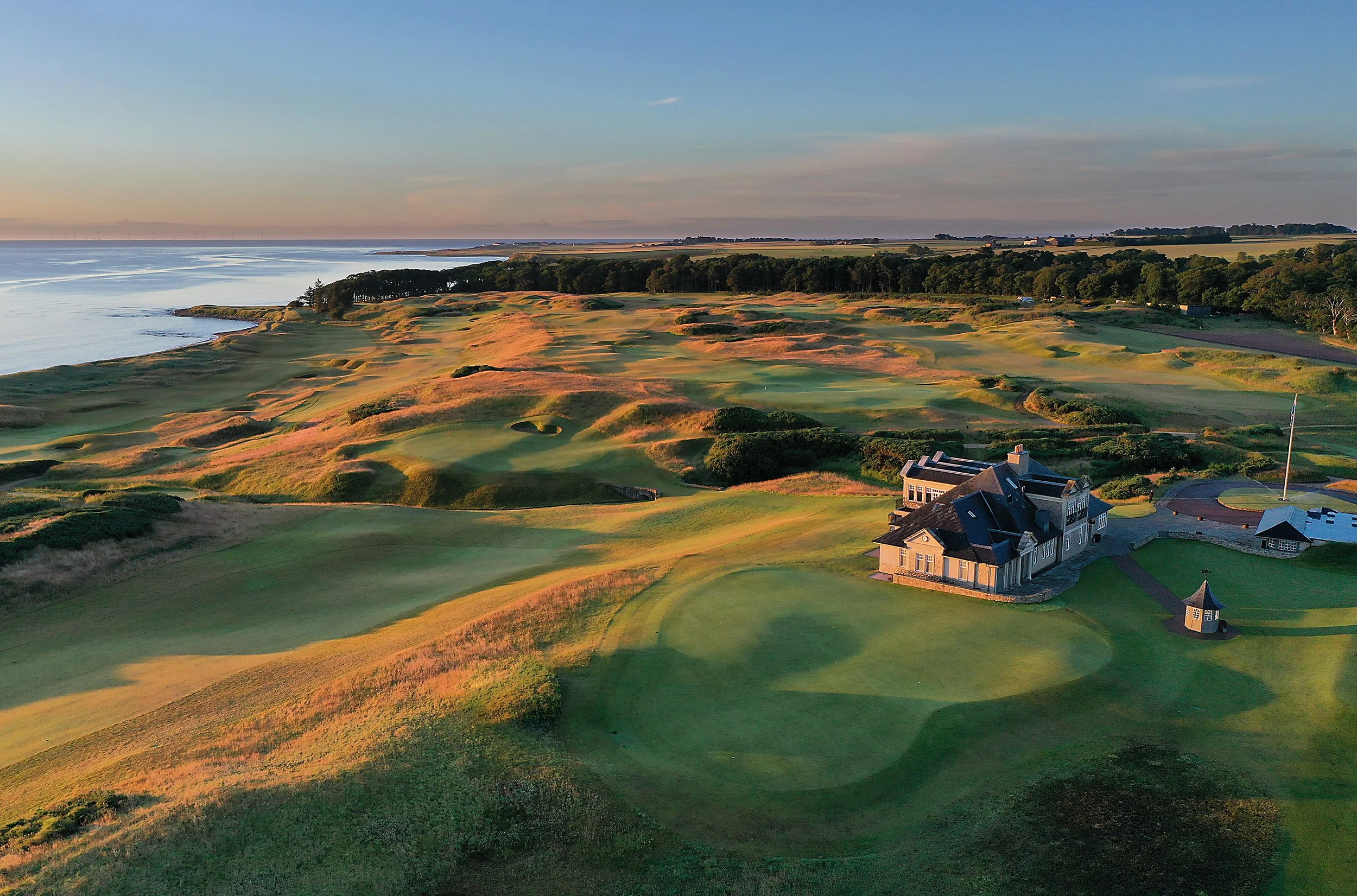
This stretch of coastline holds some of the most enjoyable links in Scotland, and for many visitors it outshines the famous names on pure fun-per-round. Kingsbarns Golf Links, a short drive south of St Andrews, is the standout: a spectacular seaside layout where almost every hole seems to touch the water. It is a premium round and priced accordingly, but few courses give you this much drama.
Further round the point at Crail, the Balcomie Links is one of the oldest golf courses in the world still in play, a quirky, cliff-hugging, thoroughly charming links that is worth the trip for its character alone. Its sister layout, Craighead Links, is longer and more exposed, giving the club two genuinely different tests on one site.
At Elie, the golf course is a firm, old-school links famous for its blind opening tee shot played over a hill with the aid of a submarine periscope — a detail that tells you everything about the place's sense of history and humour. Nearby, Charleton Golf Club at Colinsburgh offers a more parkland-leaning round that makes a useful contrast to a week of hard links.
Inland Fife and beyond
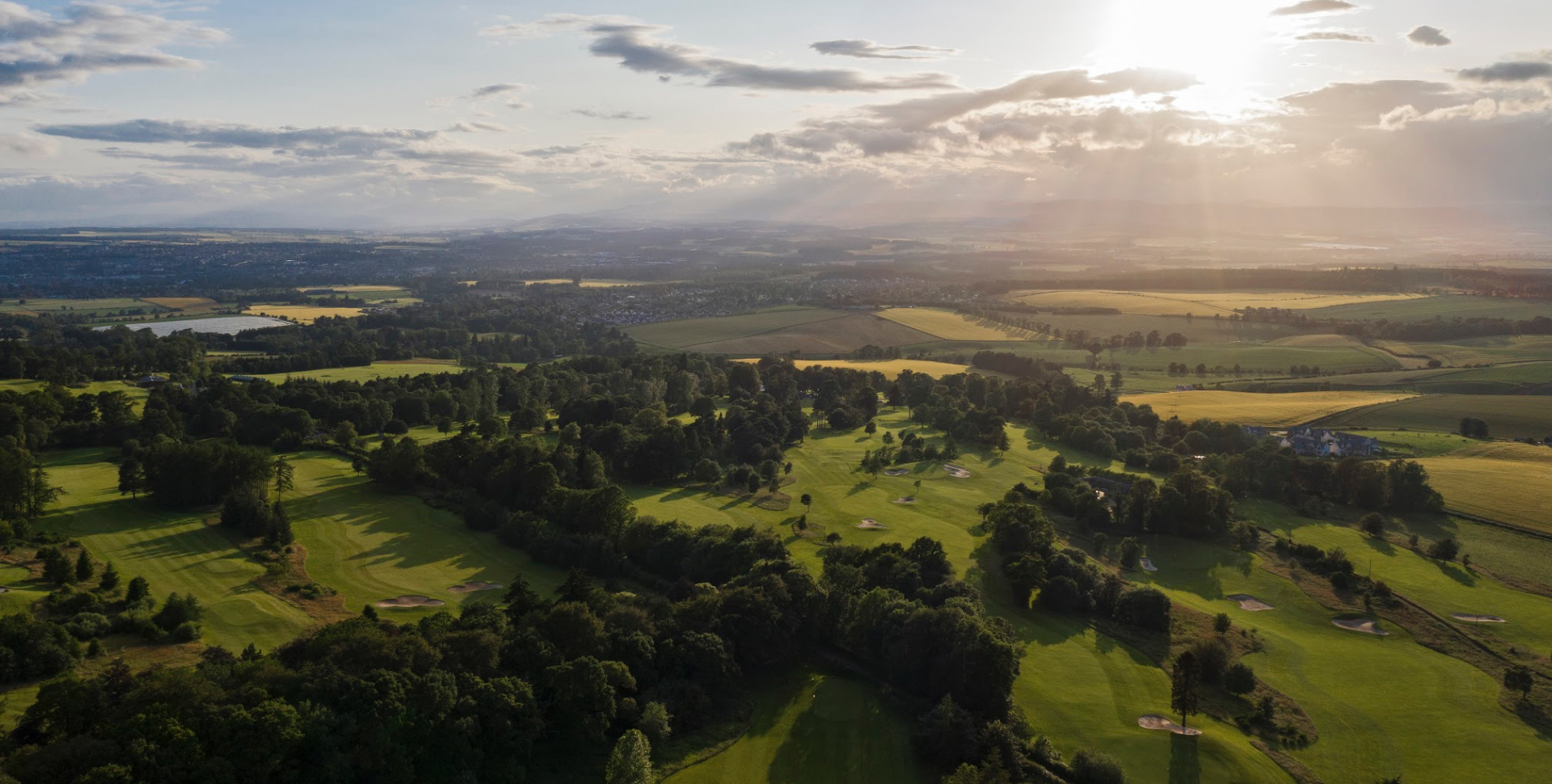
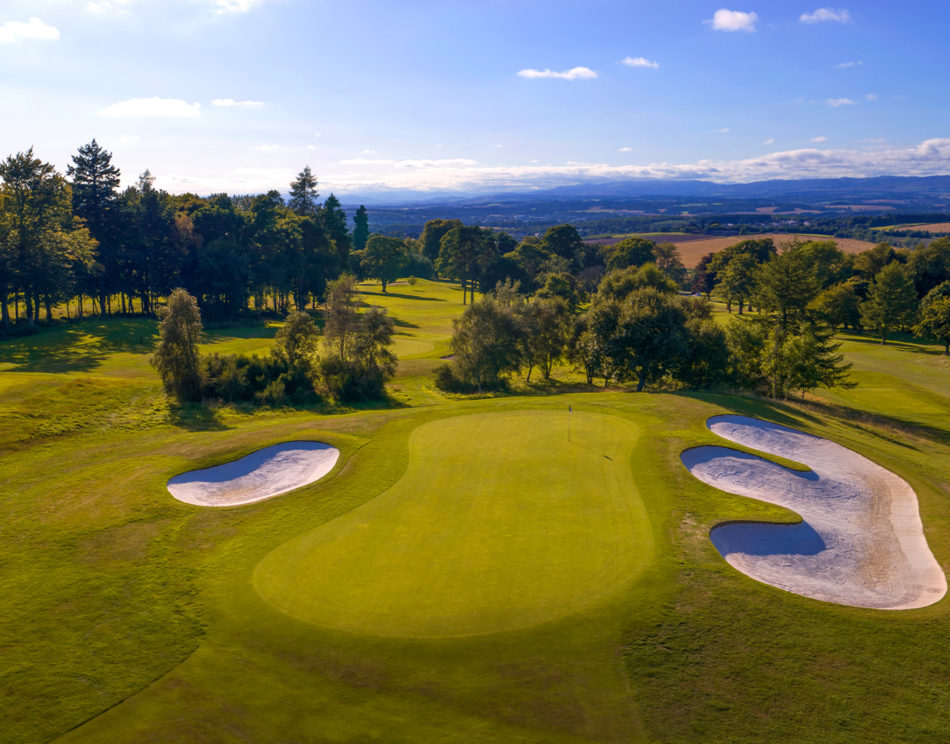
Not everything here is coastal. Ladybank Golf Club is a heathland course inland from the coast — tree-lined, quieter underfoot, and a genuinely respected test that has hosted final qualifying for The Open. It is the sort of round that gives your knees a rest from clifftop wind while still challenging your ball-striking.
St Michaels Golf Club at Leuchars sits handily near the rail line and airport approach, and Bishopshire Golf Club at Kinross offers a smaller, more relaxed option on the western side of the region. To the north around Scone, the Murrayshall Course and its shorter companion the Lynedoch Course extend the range if you are travelling in from Perthshire or want a parkland day to bookend the links.
Practical matters
Most visitors fly into Edinburgh, which is roughly an hour and a half by car from St Andrews via the Forth crossing and the M90. There is no airport at St Andrews itself; the nearest useful rail station is Leuchars, a short taxi ride from town and served by the main east-coast line, which makes arriving without a car more feasible than in most golf regions.
That said, a car is strongly recommended. The East Neuk courses — Kingsbarns, Crail, Elie, Charleton — are strung along the coast south of St Andrews, and while each is close to the last, they are not reliably reachable by public transport. With a car, the whole region opens up: nothing on this list is more than about an hour from a St Andrews base, and most of the marquee golf is inside 30 minutes.
A typical trip looks like this: base in or near St Andrews for the town courses and the coast, then day-trip inland to Ladybank or up toward Scone if you want variety. Four to six rounds over a week is a comfortable rhythm that leaves room for weather delays and for the fact that these are all walking courses. Book premium tee times — the Old Course, Kingsbarns, the Castle Course — first and in advance, then fill the gaps with the East Neuk links, which are easier to arrange and often the more purely enjoyable golf.
Pack for four seasons in one round: waterproofs, layers, and a hat that stays on in wind are non-negotiable regardless of the month.
Who this suits — and who it doesn't
Fife is made for the golfer who wants the real thing: firm ground, sea wind, walking, and courses with genuine history rather than manufactured spectacle. If you love links golf, ground-game creativity, and the idea of teeing off where the game was codified, nowhere on earth beats it. Groups who split their week between the famous names and the underrated East Neuk links tend to come away happiest.
It suits players content to walk and to accept weather as part of the deal. It rewards planning — this is not a region for turning up and hoping to play the Old Course tomorrow.
It suits less well the golfer who wants cart-riding resort golf, guaranteed sunshine, and lush target-style courses. The wind can be genuinely difficult for high handicappers, and the marquee green fees are steep. And anyone whose entire trip depends on one guaranteed round at the Old Course should temper expectations against the ballot before booking flights. Come for the whole region, not just one tee sheet, and Fife rarely disappoints.