Golf in South Wales: A Practical Guide to the Courses Worth Planning Around
South Wales
What golf in South Wales is actually like
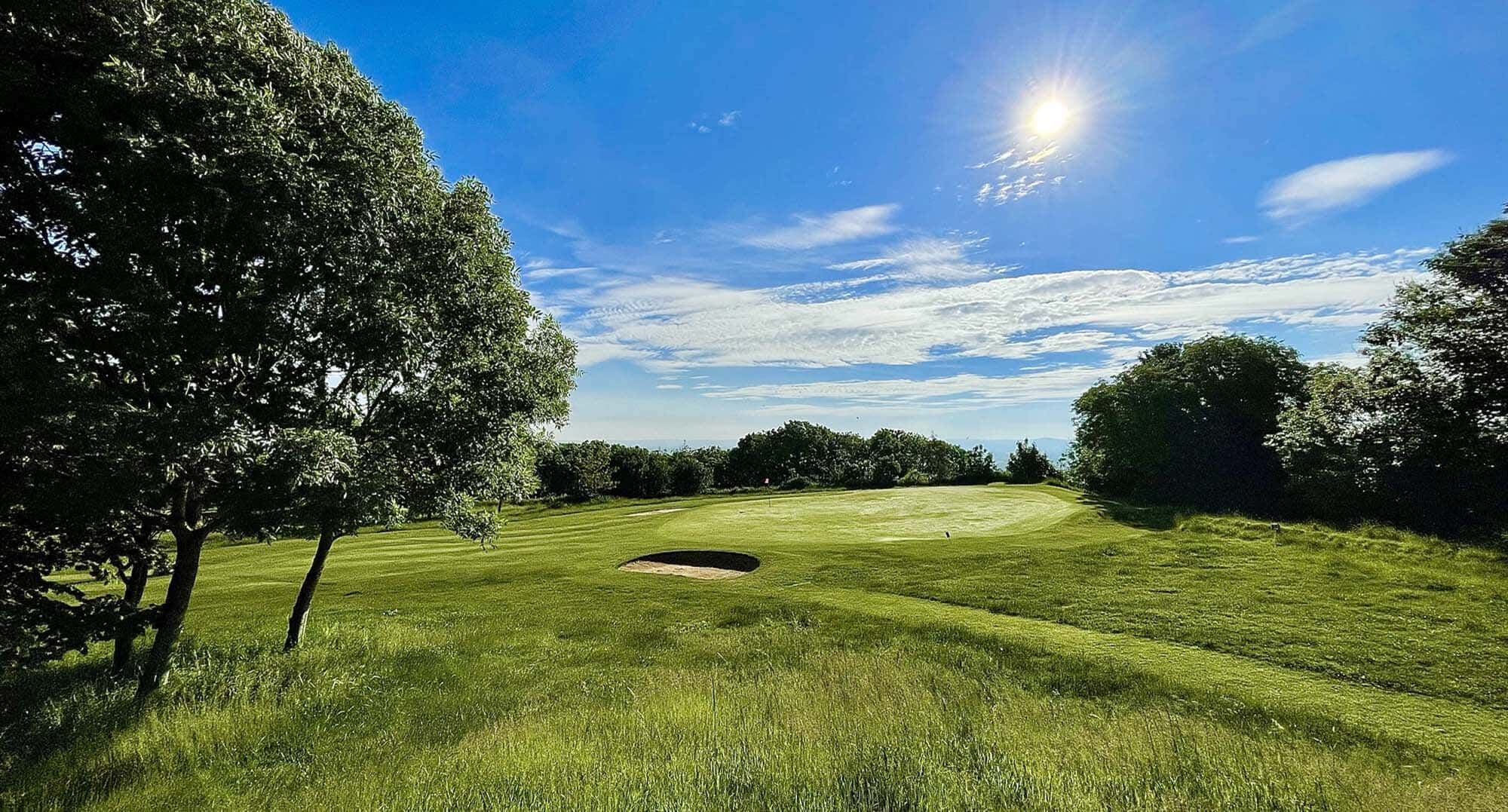
South Wales gives you two golfing landscapes stacked close together. Along the coast you get proper links and heathland turf shaped by the Bristol Channel; inland, the valleys throw up hillside and moorland courses that climb, drain fast and reward a controlled ball flight. It is not a manicured resort circuit for the most part. Expect honest, weather-exposed golf, a strong club culture, and green fees that undercut most of England for comparable quality. The one genuine championship venue in the mix, The Twenty Ten Course near Newport, sits alongside a spread of value member's clubs, and that contrast is really the point of a trip here.
Distances are short. From Newport to Swansea is a straightforward run along the M4, and even the more remote valley courses are rarely more than an hour off that spine. You can base yourself in one place and reach almost everything worth playing.
When to go
The playable season runs roughly April to October, with May, June and September the sweet spots. Late spring gives you the driest turf and the longest evenings — you can tee off after work light into 9pm in June. September often holds warm, settled spells with firmer fairways and thinner crowds after the school holidays end.
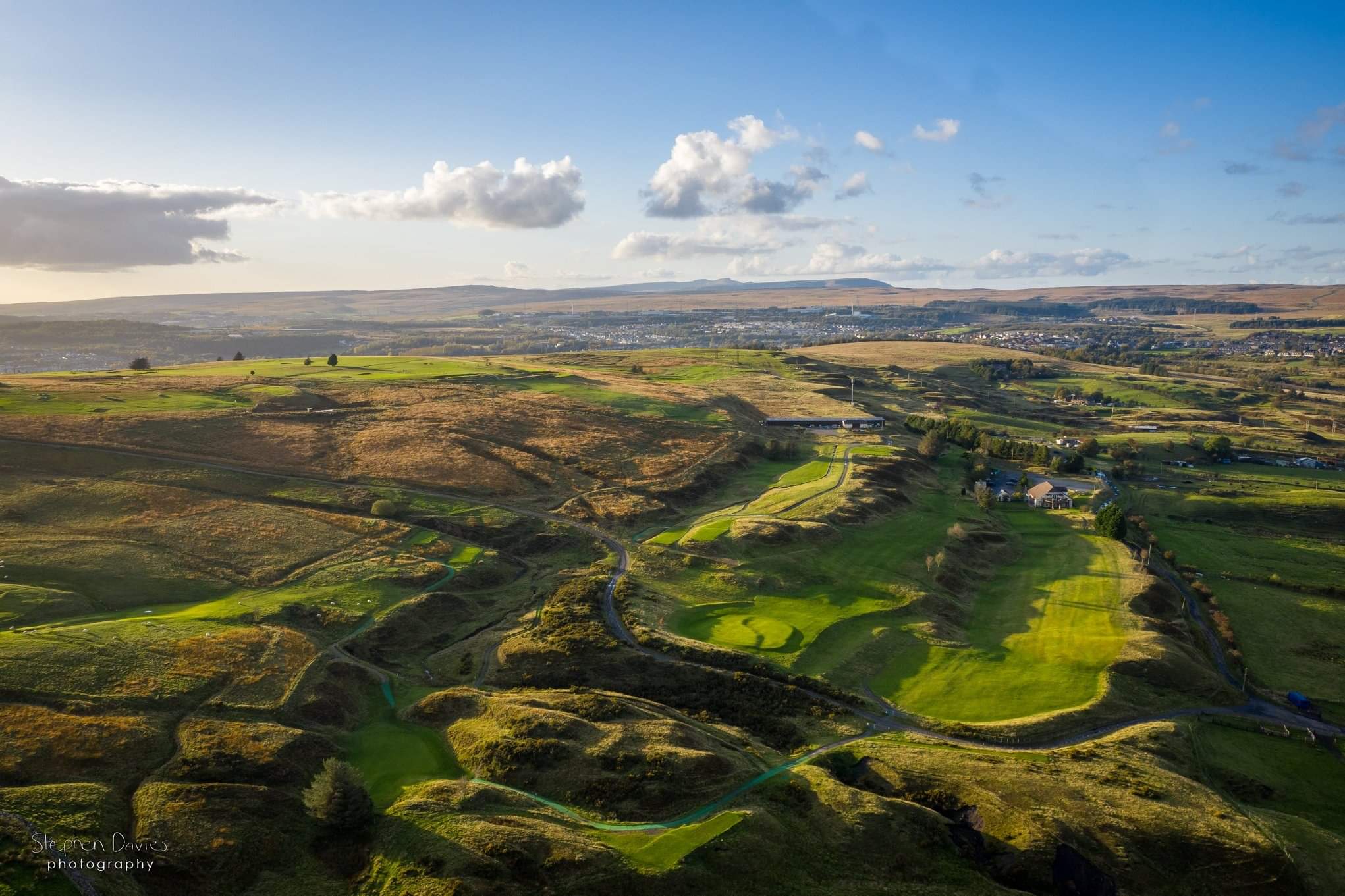
This is South Wales, so rain is part of the deal. The coast is milder and greener; the valleys and higher moorland courses like Morlais Castle Golf Club above Merthyr Tydfil and West Monmouthshire Golf Club at Nantyglo sit at real elevation and catch the weather first — they can be glorious on a clear day and bleak cloud on a grey one. Winter golf is possible on the free-draining links and heathland, but expect trolley restrictions, temporary greens and shorter days on the parkland tracks.
High season for tee-time pressure is July and August, plus any weekend with decent weather. The links courses guard their weekend mornings for members, so a mid-week trip in the shoulder season gives you the best availability and the best rates.
The courses worth planning around
The marquee round
The Twenty Ten Course in Newport is the obvious centrepiece of any South Wales itinerary. It is the region's headline championship venue and plays on a different scale to the club courses around it — longer, more manufactured, and built to test a good player from the back tees. If you only book one premium round, book this, and treat the rest of the trip as the character-driven supporting cast.
Coastal links and heathland
Ashburnham Golf Club at Burry Port, west of Swansea, is the traditionalist's pick. This is classic Welsh links land with the firm, running turf and wind exposure that go with it — the sort of course where the scorecard flatters no one and the ground game matters. Make the drive west for it.
Clyne Golf Club at Mayals, on the edge of Swansea and the Gower, is heathland golf with gorse, heather and elevation that opens up views over the bay. It drains well, holds its condition through wet spells better than parkland, and rewards accuracy off the tee. Ashburnham and Clyne make a natural western pairing if you base around Swansea for a night or two.
Parkland and resort golf
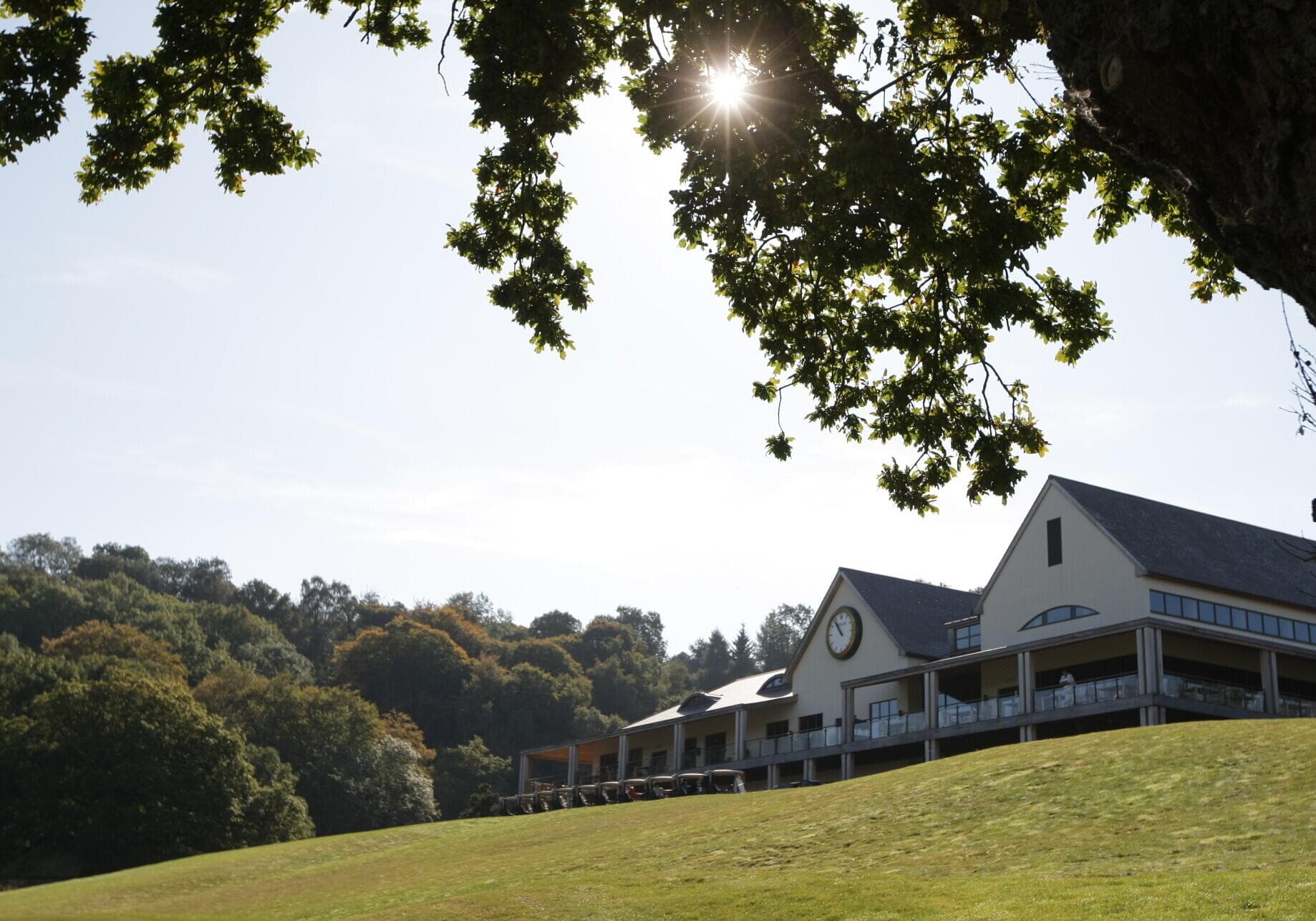
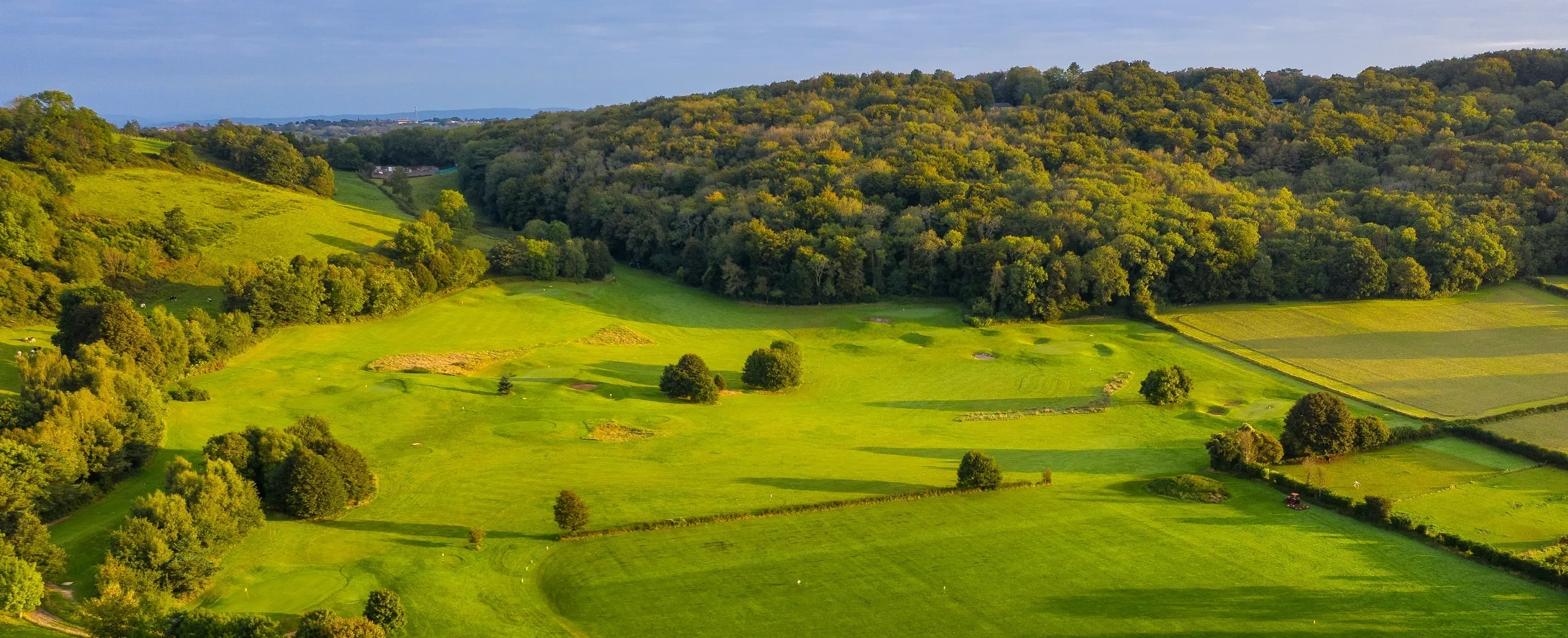
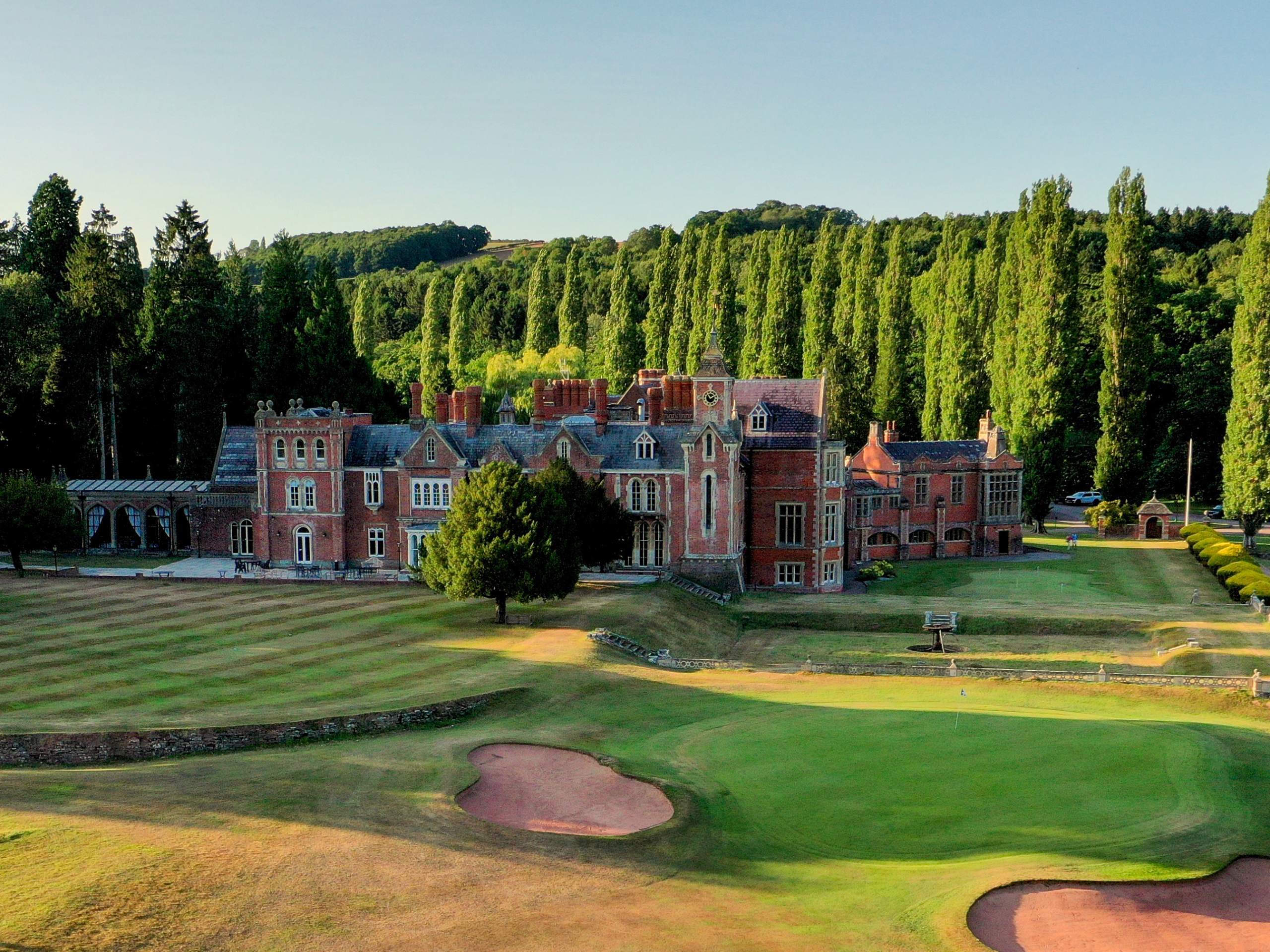
Cottrell Park Golf Resort at St Nicholas, west of Cardiff, is the most convenient stay-and-play option in the central belt, with more than one layout on site and easy motorway access. It suits a group that wants everything in one place. The Rolls of Monmouth Golf Club in Monmouth is the parkland to plan around in the east — a long-established course set in mature grounds near the English border, and an easy add-on if you are arriving from Bristol or the Midlands. Nearby, Woodlake Park Golf Club at Usk offers rolling parkland golf in quiet countryside, a good change of pace from the busier resort venues.
The valleys
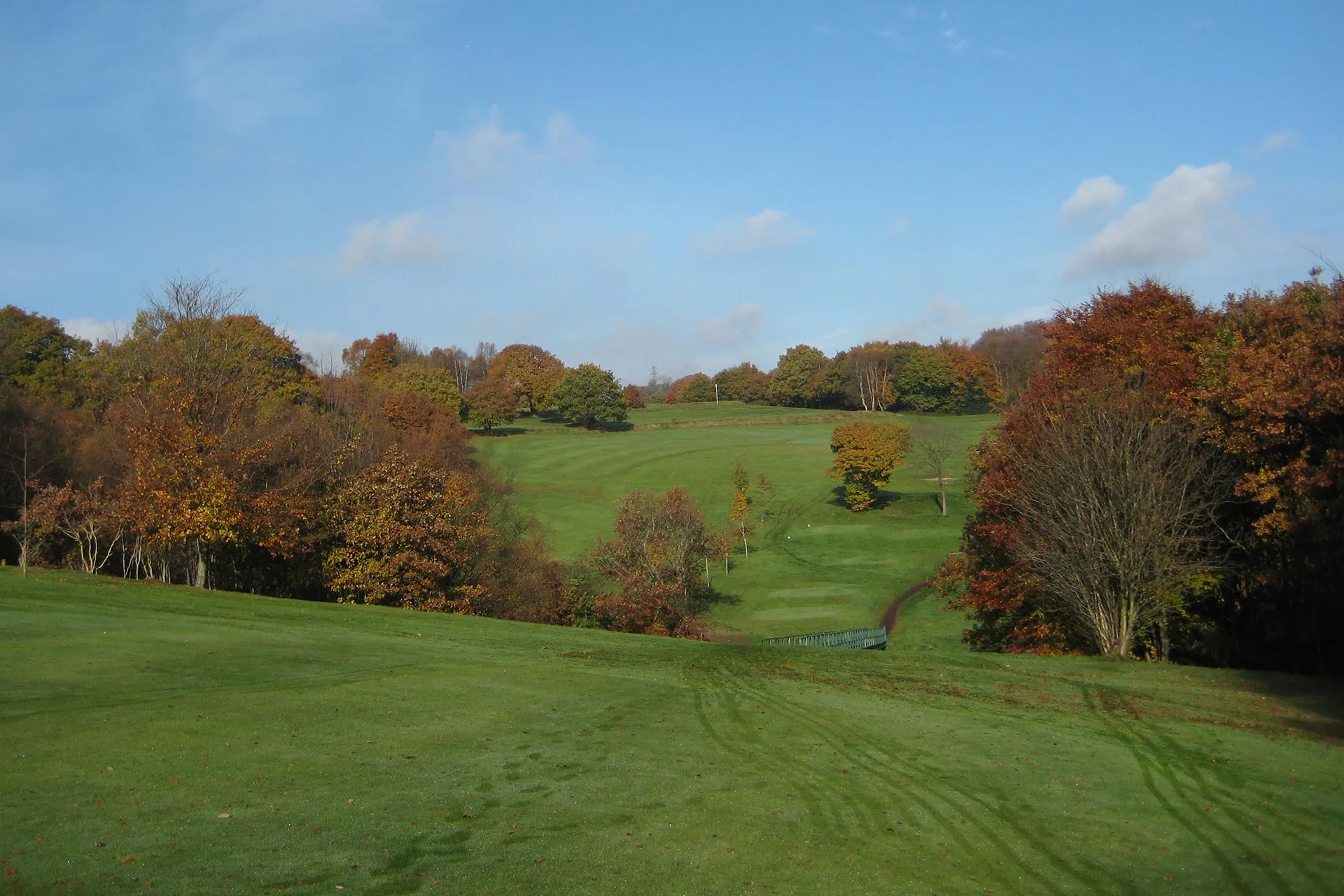
The valley clubs are where South Wales golf gets both cheapest and most distinctive. Morlais Castle Golf Club above Merthyr Tydfil is moorland golf at height, with big skies and honest, unfussy design. West Monmouthshire Golf Club at Nantyglo is one of the highest courses in the country and plays every bit of that altitude — firm, exposed and memorable on a good day. Blackwood Golf Club and Mond Valley Golf Club at Clydach round out the inland options for players who want to see the real, unpolished side of Welsh golf without paying resort prices.
Just over the water
Several courses in this cluster sit on the English side of the Bristol Channel, within easy reach if you are basing near the Severn crossings. Mendip Spring Golf Club at Congresbury, Worlebury Golf Course at Weston-super-Mare, and the Tickenham Golf Club and Clevedon Golf Centre pair around Clevedon are all quick to reach from Newport or Cardiff and worth folding in if you want extra rounds without long drives. Treat them as convenient overflow rather than the reason to come.
Practical matters
The M4 is your artery. Most visitors fly into Bristol Airport or Cardiff Airport, or drive in over the Severn crossings from the west of England. From there, the geography is friendly: Newport, Cardiff, St Nicholas and Monmouth cluster in the east and centre; Swansea, Clyne and Ashburnham sit to the west; the valley courses run north off the motorway up into the hills.
A sensible three or four-day trip looks like this:
- Base 1 — central belt (Cardiff/Newport): play The Twenty Ten Course and Cottrell Park, with The Rolls of Monmouth or Woodlake Park as an eastern day out.
- Base 2 — west (Swansea): pair Clyne and Ashburnham, adding Mond Valley if you want a third round.
- Valley day: Morlais Castle and West Monmouthshire make a scenic, budget-friendly pairing for a clear-weather day.
You do not strictly need to move hotels — the whole region is drivable from a single base near Cardiff — but splitting a night between the central belt and Swansea saves backtracking if you want the western links. A car is essential; public transport will not link these courses in any useful way.
Because exact green fees are not listed here, confirm rates and tee times directly with each club, and always ring the links and member's courses ahead about weekend access — mornings are frequently reserved for members. Book The Twenty Ten Course well in advance in high season; the club tracks are usually more flexible.
Who this destination suits
South Wales works best for the golfer who values variety and value over polish — someone happy to follow one big championship round with a run of characterful, keenly priced club and links courses. It rewards players who enjoy wind, elevation and the ground game, and who don't mind a weather forecast that changes its mind. Groups on a budget do very well here, and the short driving distances make it easy to squeeze in two rounds a day.
It suits less well the golfer who wants wall-to-wall five-star resort golf, guaranteed sunshine and buggies-everywhere conditioning. Several of the best courses are hillside or moorland walks that ask for reasonable fitness, and the region trades on authenticity rather than luxury. Come for honest golf, striking landscape and a fair price — not for a manufactured resort bubble — and South Wales delivers.