
Golf in the Algarve: A Planning Guide to Portugal's Southern Coast
Algarve
What golf in the Algarve is actually like
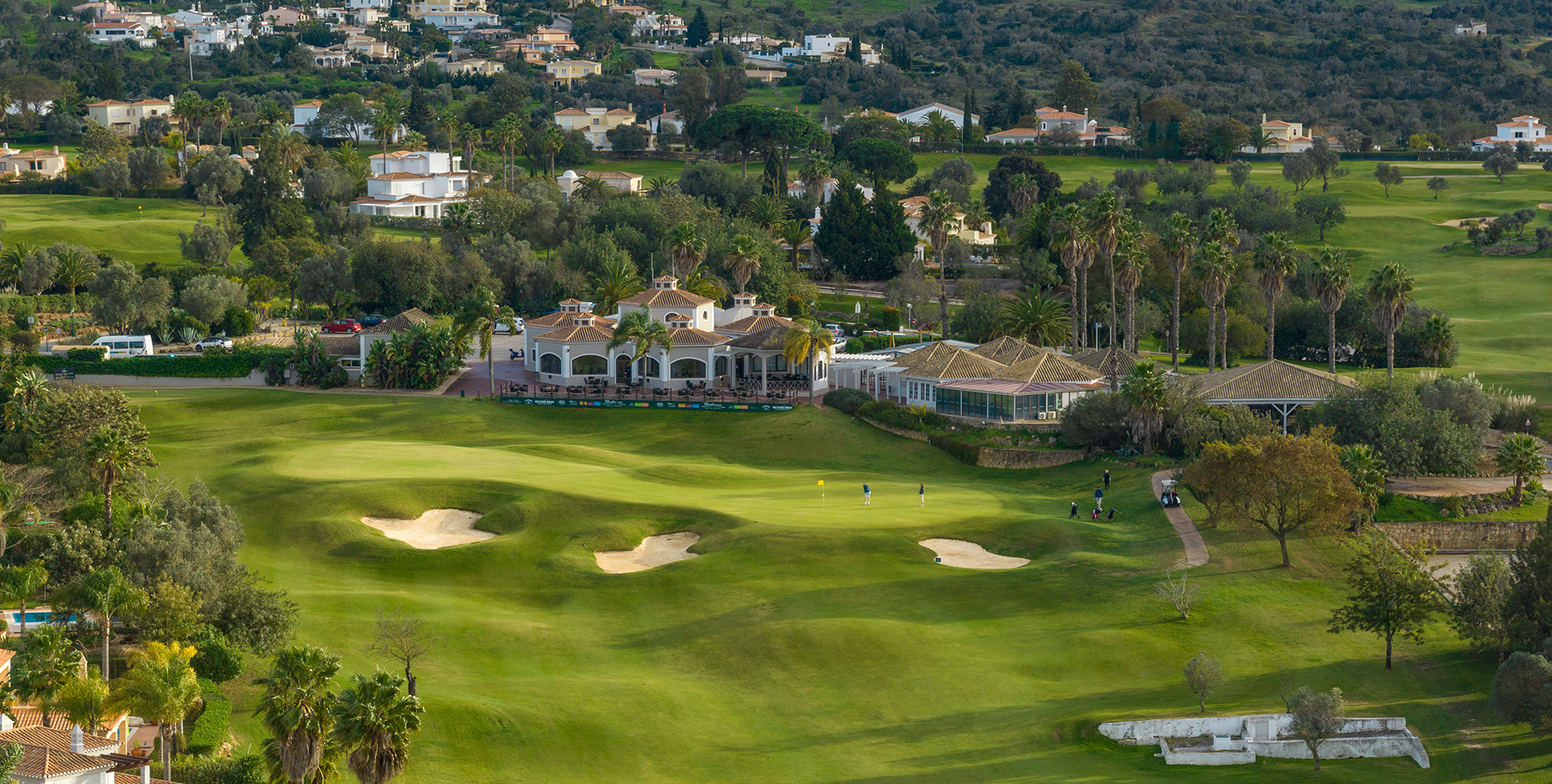
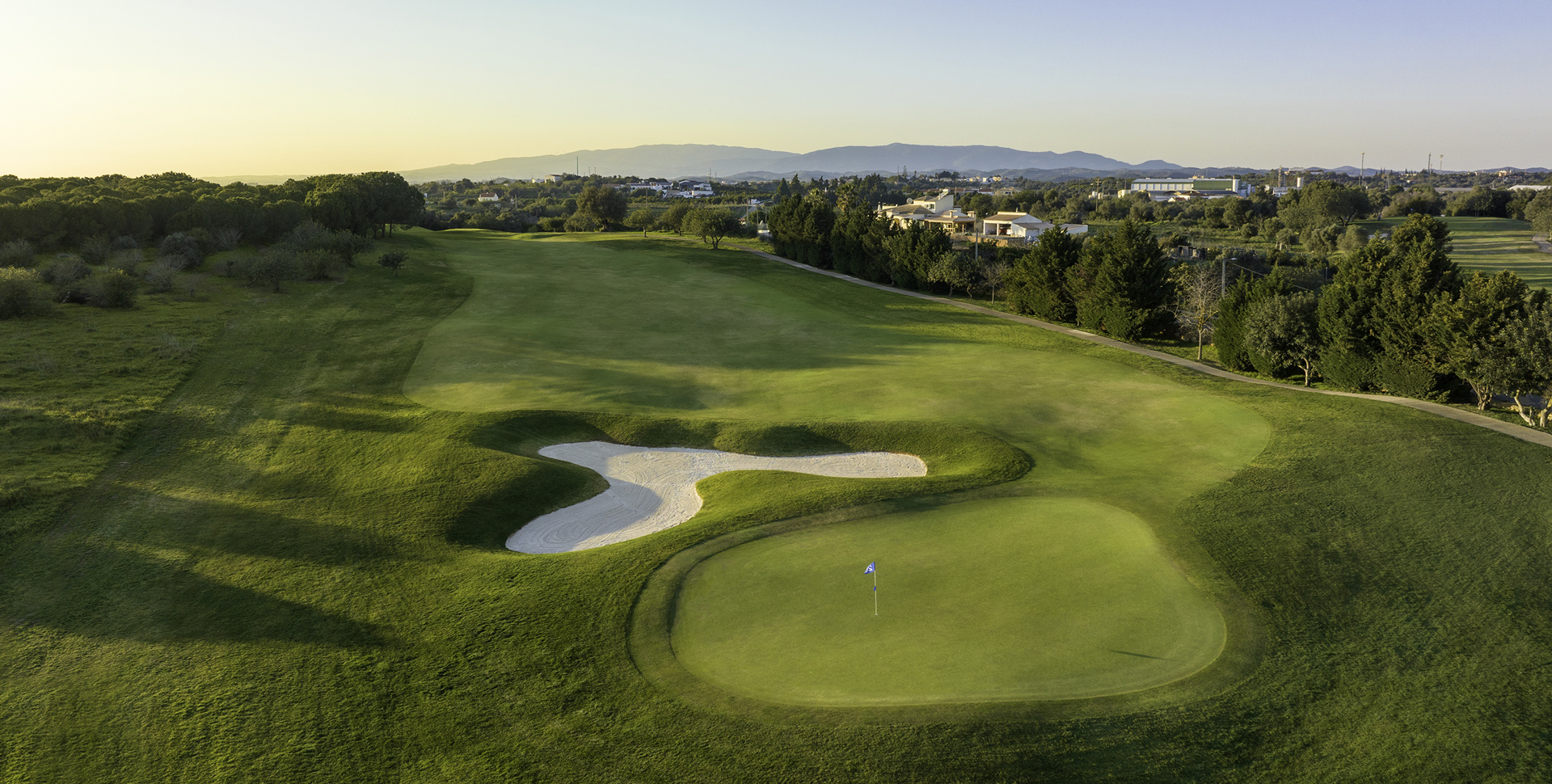
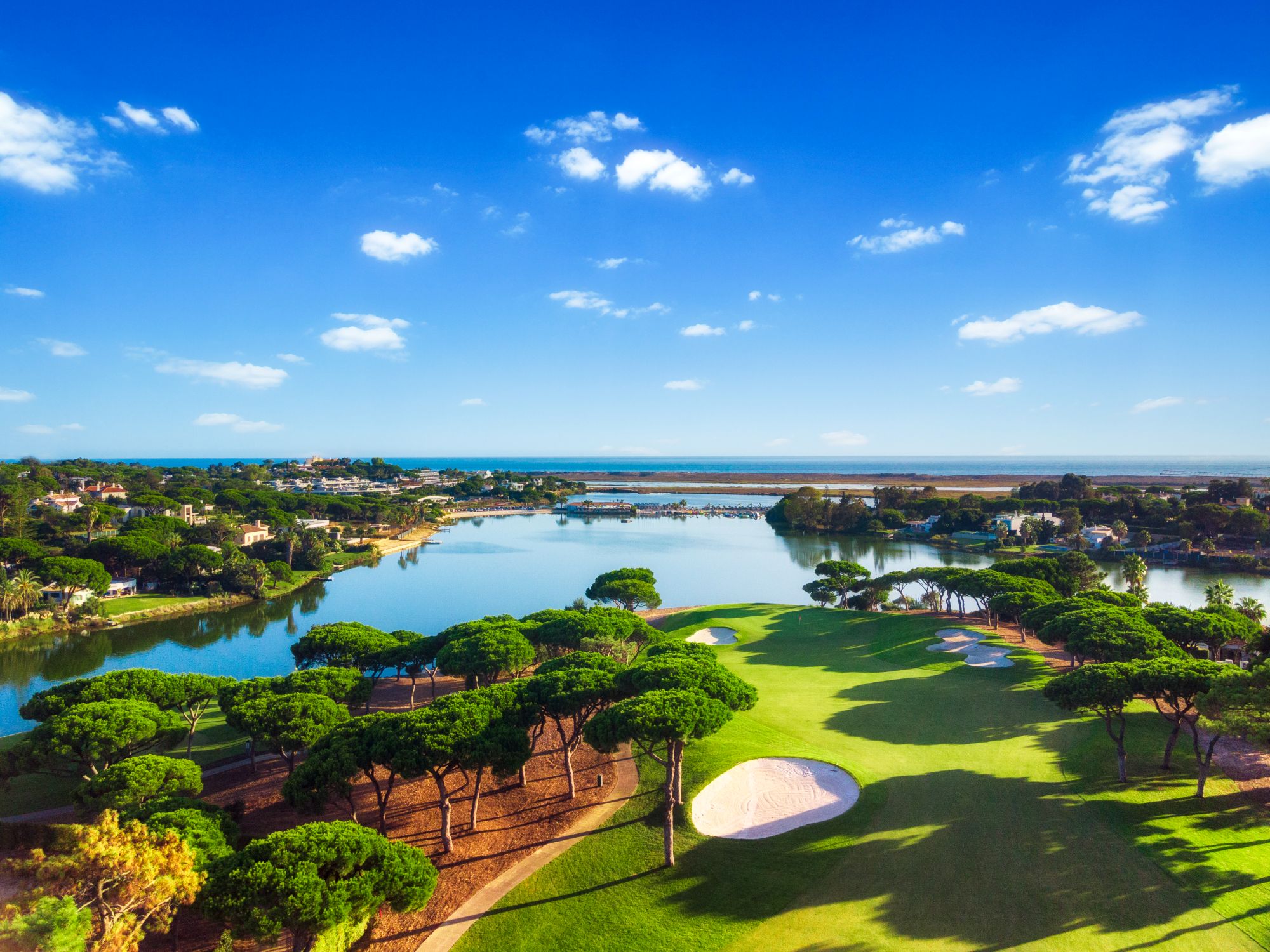
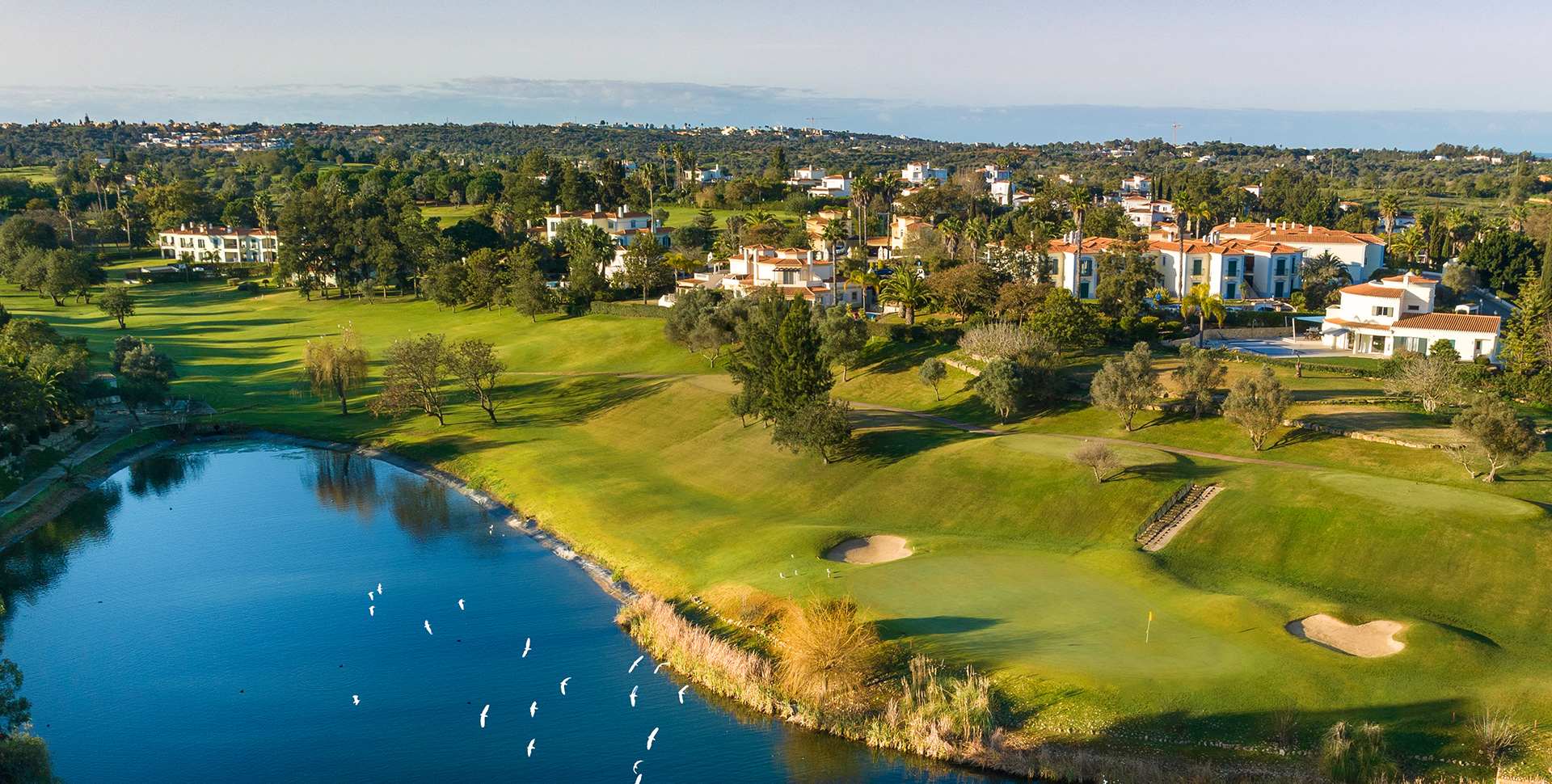
The Algarve is one of the densest golf regions in Europe, and it earns that reputation with sheer volume and reliability rather than any single showpiece. Along a coastline of roughly 150 kilometres you get more than three dozen courses, most laid through umbrella pines, cork oaks and low sandy hills a short drive from the Atlantic. The character is Mediterranean-parkland: manicured, resort-run, walkable in the sense that carts are standard, and built to keep visiting golfers coming back year after year.
This is not a wild links coast. The courses here are civilised, tree-lined and generally forgiving off the tee while asking real questions around the greens. What sets the Algarve apart is that you can base yourself in one spot and play a genuinely varied week without long transfers. The concentration around Vilamoura and the Quinta do Lago / Almancil area in particular means a serious golf holiday can be built without ever driving more than half an hour to a first tee.
When to go
Spring and autumn are the reasons people fly here. March through May gives you warm, stable days, courses coming into peak condition after winter rain, and daylight that stretches into the evening. September and October are arguably the sweet spot: the summer heat has broken, the sea is still warm, and the fairways have survived the season. These shoulder months are also the busiest and priciest for golf, so tee times at the marquee courses go early — book well ahead.
Winter, from November to February, is the Algarve's quiet secret. Daytime temperatures often sit comfortably in the mid-teens Celsius and can climb higher, and while you'll catch the occasional wet Atlantic front, many days are perfectly playable and green fees soften considerably. It is the value season if you don't mind packing a sweater and a rain jacket.
High summer (July and August) is hot, dry and crowded with beach tourists. Golf is best confined to early morning tee times, and the region is at its most expensive for accommodation even as course conditions bake. Serious golfers tend to avoid midsummer for the round itself.
The courses worth planning around
Vilamoura: the engine room
If you want the most golf for the least driving, base yourself in or near Vilamoura. The Dom Pedro stable alone gives you four distinct tests. Dom Pedro Victoria Golf Course is the headline act — a wide, modern, tournament-grade layout that has hosted top-level professional golf and plays long and open by Algarve standards. In contrast, Dom Pedro Pinhal Golf Course is the older, classic pine-lined design that many regulars still cite as the most characterful of the group, with tighter corridors and sea glimpses. Dom Pedro Millennium Golf Course and Dom Pedro Laguna Golf Course round out the collection with a slightly gentler, more resort-friendly feel — Laguna in particular runs across flatter, water-dotted ground that rewards accurate iron play over brute strength.
Also in Vilamoura, Pestana Vila Sol Golf Course is a well-regarded parkland design with mature trees and good conditioning, a strong addition to a Vilamoura itinerary and a change of scenery from the Dom Pedro courses without changing your hotel.
Quinta do Lago and Almancil: the premium end
East of Vilamoura, around Almancil, is where the Algarve goes upmarket. Quinta do Lago North Golf Course is the polished, high-profile layout the area is known for — beautifully presented, demanding, and priced accordingly. Nearby, Quinta do Lago Laranjal Golf Course is the newer sibling, set among orange groves (the name gives it away) on more rolling terrain, and it's earned a strong following for the quality of its greens and the strategy of its routing. This is the corner of the Algarve to prioritise if course conditioning and prestige matter more to you than budget.
The Carvoeiro and Lagoa cluster
Further west, around Carvoeiro and Lagoa, Pestana operates a cluster that suits a slightly quieter, less resort-intense trip. Pestana Vale da Pinta Golf Course is the pick here — an undulating layout weaving through old olive and carob trees, with plenty of shot-shaping demanded. Pestana Gramacho Golf Course sits alongside it and is notable for its double-green, reversible-style routing that lets you play a genuinely different course a second time. Inland at Silves, Pestana Silves Golf Course is the more relaxed, budget-friendly option in this group — a good warm-up round or a choice for a mixed-ability group.
West of Alvor and the far west
Around Alvor, Pestana Alto Golf offers a mature, breezier layout closer to the coast. And if you want to escape the busier central strip entirely, head to the far western Algarve near Budens, where Golf Santo António / Parque da Floresta spreads across dramatic, hilly countryside — a much more up-and-down, valley-and-ridge experience than the flatter resort courses to the east. It rewards drivers who don't mind an adventurous, undulating walk.
The inland design showcase
Inland at Alcantarilha, Amendoeira Golf Resort is worth a detour for its two signature layouts, the Faldo and the O'Connor Jnr. courses. The Faldo course in particular has a firmer, more desert-modern character than the pine-parkland norm, giving your week some contrast. If you like a course that makes you think about angles and position rather than simply bombing it down soft fairways, this is a good day out.
Practical matters
Almost everyone flies into Faro Airport, which sits conveniently in the middle of the golf belt. Vilamoura and Quinta do Lago are roughly 20–30 minutes west and east respectively; the Carvoeiro, Lagoa and Alvor courses are around 45 minutes to an hour further west; and the far-western Santo António courses near Budens are the longest haul, well over an hour from the airport.
A hire car is close to essential. The A22 motorway runs the length of the Algarve and makes transfers between clusters straightforward, but public transport to the courses is impractical and taxi costs add up fast over a week. With a car, the central Algarve is compact enough that you can stay in one place and reach a large number of courses without daily upheaval.
A typical trip looks like this:
- Base yourself once. Vilamoura is the most efficient hub — walkable marina, plenty of accommodation, and four Dom Pedro courses plus Vila Sol on the doorstep.
- Play 4–6 rounds over a week, mixing a couple of local courses with a day trip east to Quinta do Lago or west to the Pestana cluster.
- Book tee times before you fly in spring and autumn — the best courses fill quickly. Many resorts and operators sell multi-round packages that undercut walk-up rates.
- Leave a non-golf day for the beaches and the old towns of Silves and Lagos; the coast is genuinely worth it.
Green fees vary widely by course tier and season, with the Quinta do Lago courses at the top end and the inland and western courses more affordable, so it pays to match your itinerary to your budget rather than defaulting to the biggest names.
Who it suits — and who it doesn't
The Algarve is close to ideal for the golf group that wants volume, reliable sunshine outside midsummer, and short transfers — societies, buddy trips and couples where both play. It also suits mixed-ability groups: the resort courses are largely playable off sensible tees, and there's enough range from gentle (Laguna, Silves) to demanding (Victoria, Quinta do Lago North) to keep everyone challenged without anyone being humiliated.
It suits less well the golfer chasing rugged, windswept links golf — that's not what this coast is about; you'd be better served in the UK, Ireland or elsewhere in Portugal for that. Budget travellers should also go in with eyes open: peak-season fees at the flagship courses are firmly at the European premium end, and a week of top-tier golf adds up. Time your trip for the shoulder or winter months and choose your courses deliberately, though, and the Algarve remains one of the most rewarding golf destinations in Europe.