Golf in the Scottish Highlands: A Practical Planning Guide
Scottish Highlands
What golf here is actually like
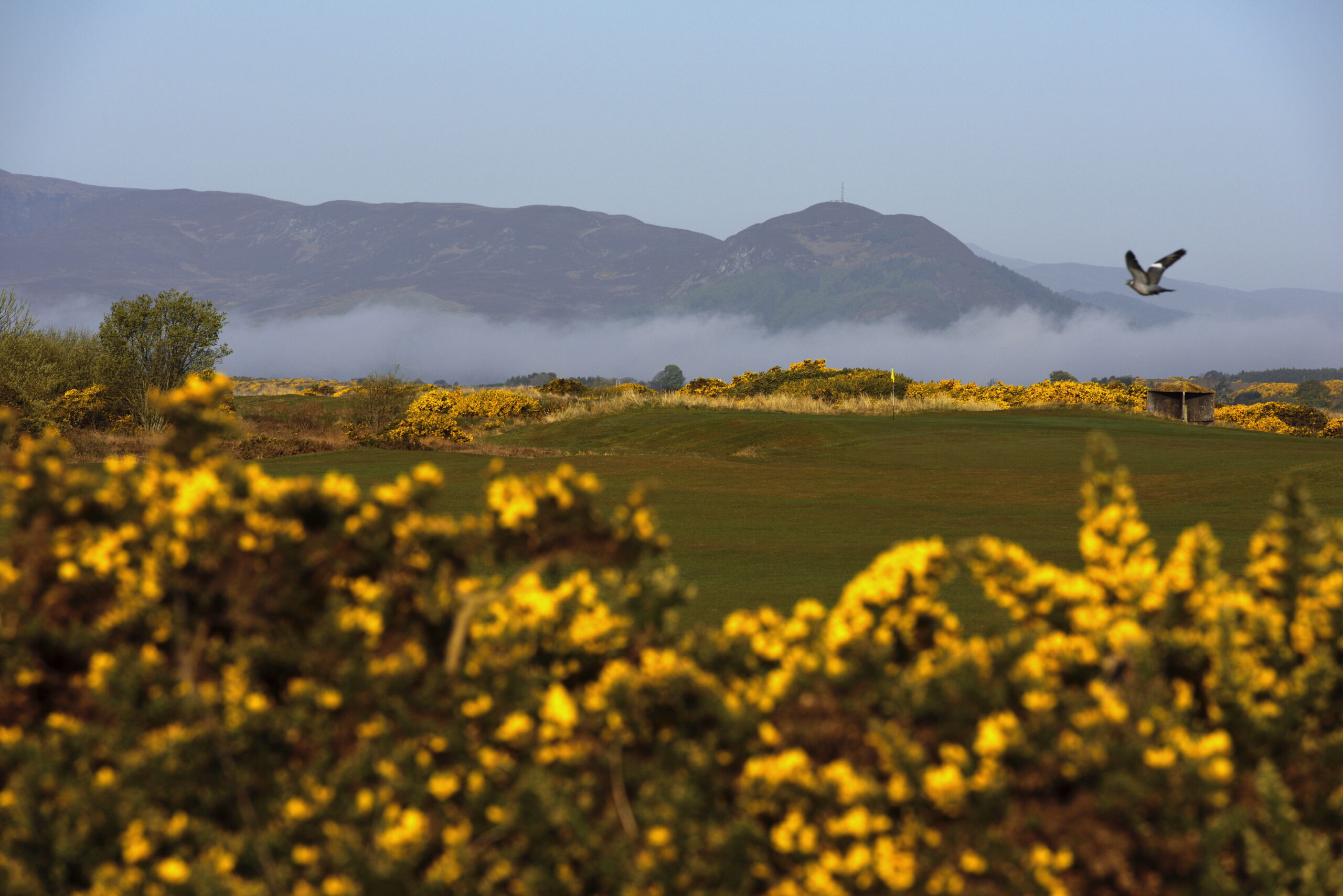
The Highlands are where Scottish links golf gets serious and the crowds thin out. This is the far north-east coast of the country — a run of firm, wind-exposed links strung along the Moray and Dornoch Firths, backed inland by rougher parkland and heathland courses in the hills. The scenery does a lot of the heavy lifting: sea, dunes, distant mountains, and on a good day light you don't get anywhere else. But the golf is the real reason to come. Several of these courses would headline the schedule in most other countries; here they sit within an hour or so of each other.
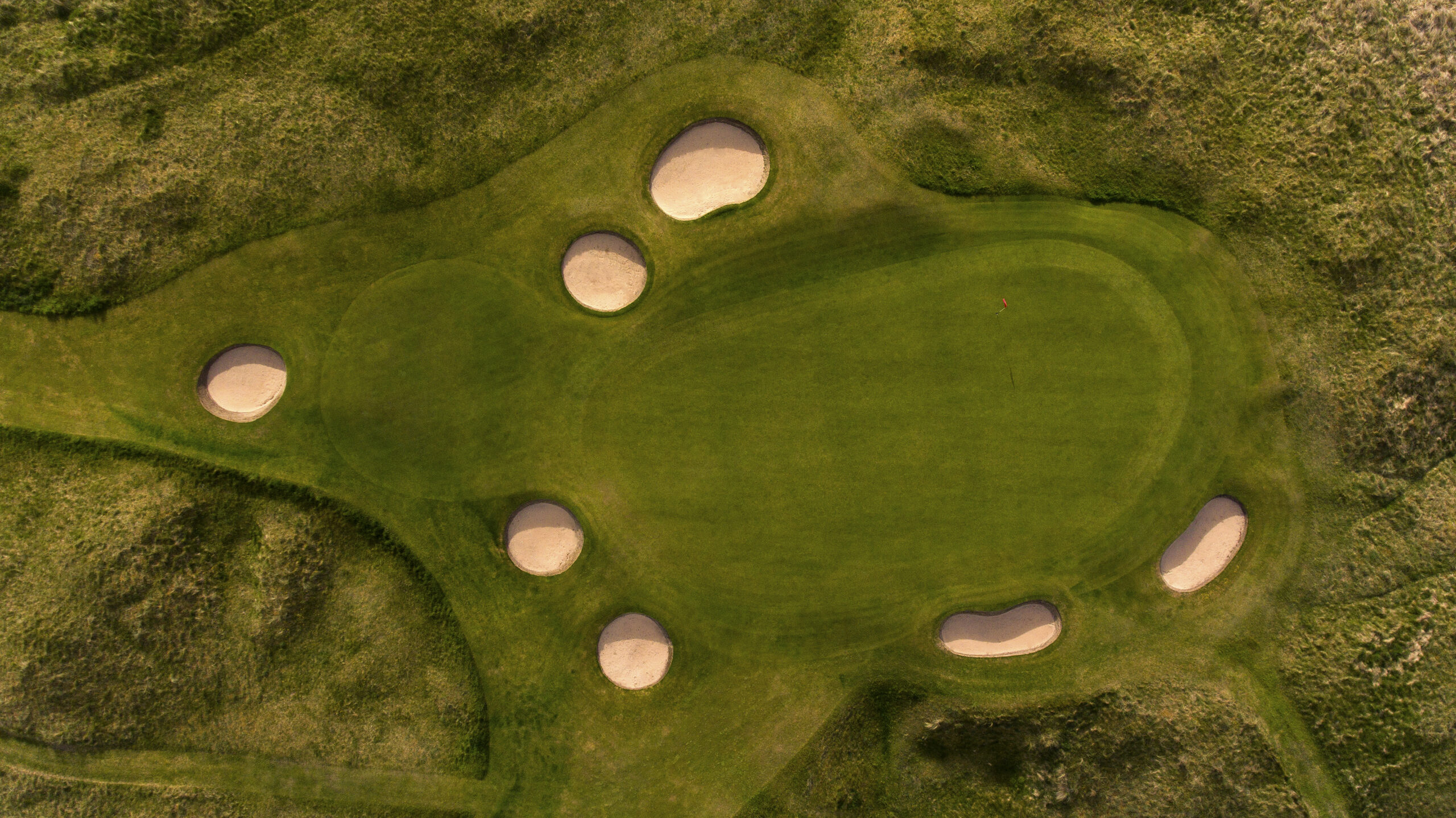
Expect firm turf, greens that reward the run-up shot, and wind that changes a hole from a wedge to a mid-iron between rounds. It is not manicured, resort-style golf. It is honest, exposed, and often humbling. Come for that or don't come at all.
When to go
The Highlands golf season effectively runs May to September, and the shoulders of that window are where the sharp planning happens.
- May and June are the pick. Long daylight — near-midnight dusk around the solstice means you can play 36 and still eat dinner in the light — combined with drier conditions and firmer links. This is peak demand at the marquee courses, so book early.
- July and August are the warmest and busiest, but also the most changeable; Highland summer weather is never a given. Tee times at the best-known clubs get tight.
- September is a quietly excellent month: the turf is still running, the light turns golden, and the peak-season pressure eases.
- Winter golf is possible on some courses but short on daylight and cold; treat it as opportunistic rather than a plan.
Whatever the month, pack for four seasons in a round. Layers, waterproofs and a decent glove supply are not optional this far north.
The courses worth planning around
The Dornoch heavyweights
The Championship Course at Dornoch is the anchor of any serious Highlands trip and one of the reasons golfers travel this far in the first place. Plan the itinerary around securing a tee time here rather than the other way around. Its sister, the Struie Course, is the smart complement — a second round in the same place, useful when you want more golf without a long drive, and a good option if the Championship sheet is full when you want it.
Also in the Dornoch orbit is Carnegie Links, part of the golf offering around the Skibo estate area and worth building in if access lines up. Further out on the Tarbat peninsula, Portmahomack Golf Club is the kind of small, out-of-the-way coastal course you play for the setting and the quiet — a detour rather than a headline, but a rewarding one if you like ticking off the far corners.
The Inverness cluster
Castle Stuart Golf Links, just outside Inverness on the shore of the Moray Firth, is the modern star of the region — a dramatic, cleverly routed links with big firth views and the kind of design that photographs as well as it plays. It is the natural pairing with Dornoch for anyone building a trip around the two best-known names in the area.
Inverness itself gives you a convenient base with golf on the doorstep. Inverness Golf Club is a solid, accessible parkland round close to the city — good for an arrival-day or departure-day nine or eighteen when you don't want to drive. King's Golf Club and Fairways Loch Ness Golf Club add more options within easy reach of the city, useful for filling out a longer stay or playing around weather and tee-sheet gaps at the bigger courses.
The Moray Firth and Black Isle links
Nairn Dunbar Golf Course, along the coast east of Inverness, is a genuine championship-quality links and a strong reason to point the car in that direction — testing, well-regarded, and a rewarding day's golf in its own right.
Across the water on the Black Isle, Fortrose & Rosemarkie Golf Club sits on a spit of land jutting into the firth, a classic short-but-characterful links where the setting and the sightlines matter as much as the yardage. It is one of the most enjoyable rounds in the region and easy to combine with the Inverness courses. Muir of Ord Golf Club, also on the Black Isle side, is a more low-key inland round that fits neatly into a day out this way.
Inland and the Spey
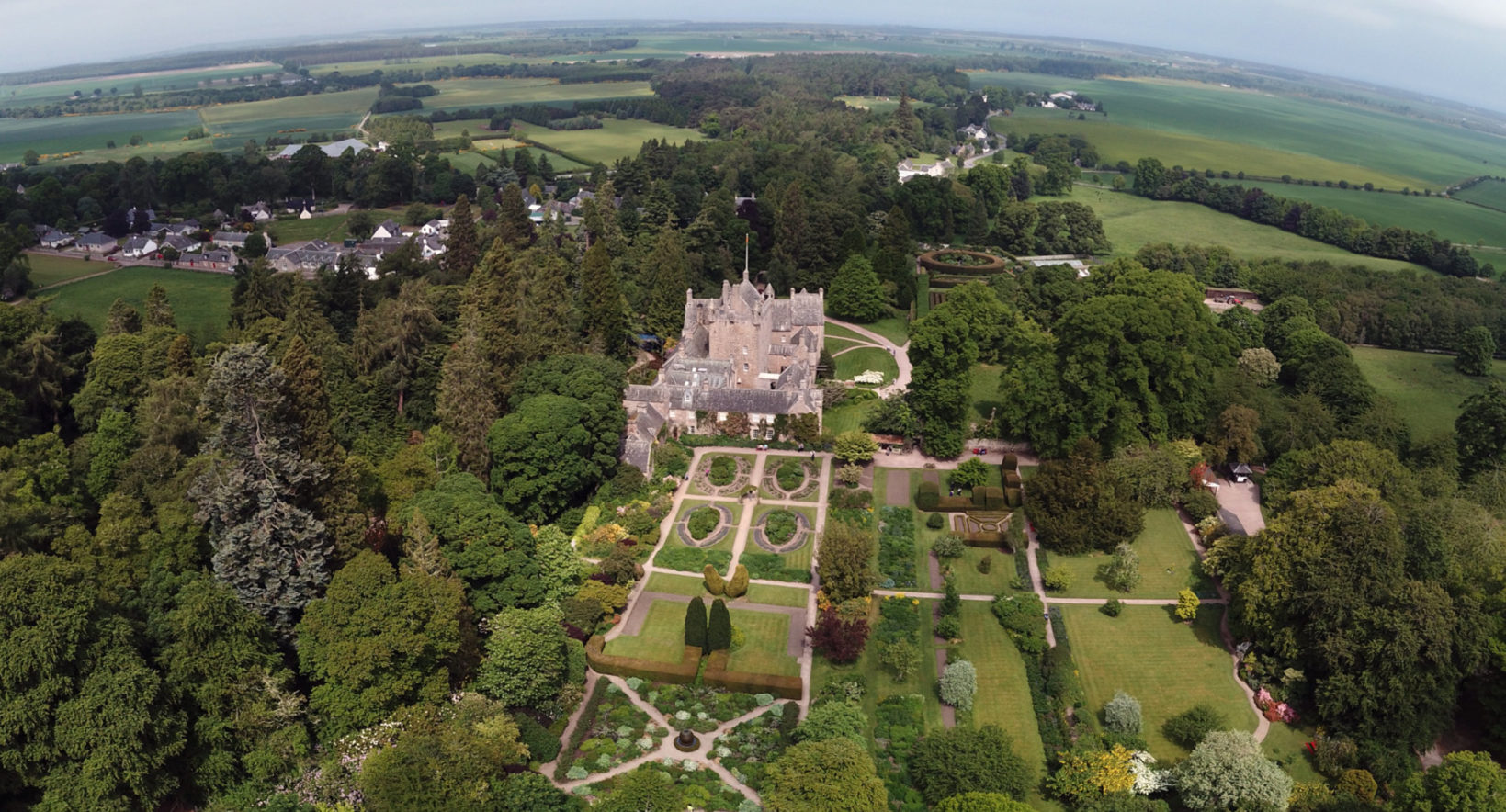
For a change of texture from the coast, head inland. Grantown-on-Spey Golf Club sits in Speyside among the hills and trees — a very different feel from the exposed links, and a good option when the coast is being battered by wind. Cawdor Castle Golf Club, near the famous castle east of Inverness, gives you a scenic parkland round in an area steeped in history. Neither is a links, and that is precisely the point: they round out a trip and give you somewhere to play when the firths are unplayable.
Practical matters
Most trips route through Inverness, which has an airport with domestic and some European connections, or through a longer drive up from the Central Belt (Edinburgh or Glasgow) if you're combining the Highlands with golf further south. Inverness makes the obvious base: it puts Castle Stuart, the city courses, the Black Isle and Nairn Dunbar within short drives, with Dornoch reachable up the coast in under an hour by road.
A car is essential. The courses are spread across a wide area — Dornoch and the Tarbat peninsula to the north, the Black Isle across the water, the Spey courses inland, Nairn to the east — and public transport won't serve a golf itinerary. The good news is that the main coastal routes are fast and scenic, and driving between rounds is part of the pleasure rather than a chore.
A sensible week looks like a split base or a single base at Inverness with day trips: cluster the Inverness and Black Isle courses (Inverness Golf Club, Fortrose & Rosemarkie, Muir of Ord, Castle Stuart) for a few days, run north to Dornoch for the Championship and Struie with Carnegie Links or Portmahomack as add-ons, take a day east to Nairn Dunbar, and keep an inland round at Grantown-on-Spey or Cawdor Castle in reserve for a windy day. Book the headline tee times — Dornoch and Castle Stuart especially — well in advance, and build the smaller courses in around them.
Green fees and tee-time policies vary by club and season; confirm current rates and any restrictions directly with each course when you book, as the marquee links in particular manage visitor access tightly in high season.
Who it suits — and who it doesn't
This destination is made for the golfer who wants real links golf without the crowds and premiums of Scotland's more famous stretches, and who is happy to drive between rounds through big empty scenery. If Dornoch, Castle Stuart and a firm coastal wind sound like a good week, you'll love it. It also suits mixed groups who want a coast-and-country blend — the Spey and Cawdor courses give non-links players and weather refugees somewhere to go.
It suits less well anyone wanting a compact, walk-everywhere resort where golf, hotel and dinner are all a buggy ride apart. Distances here are real and a car is non-negotiable. It's also the wrong choice for golfers who need guaranteed sunshine and soft, target-style conditions — the Highlands deliver neither, and the weather is genuinely part of the deal. Come prepared for it and the region rewards you as few places can.