
Golf in Tyrol & Salzburg: A Practical Guide to the Austrian Alps
Tyrol & Salzburg
What golf here is actually like
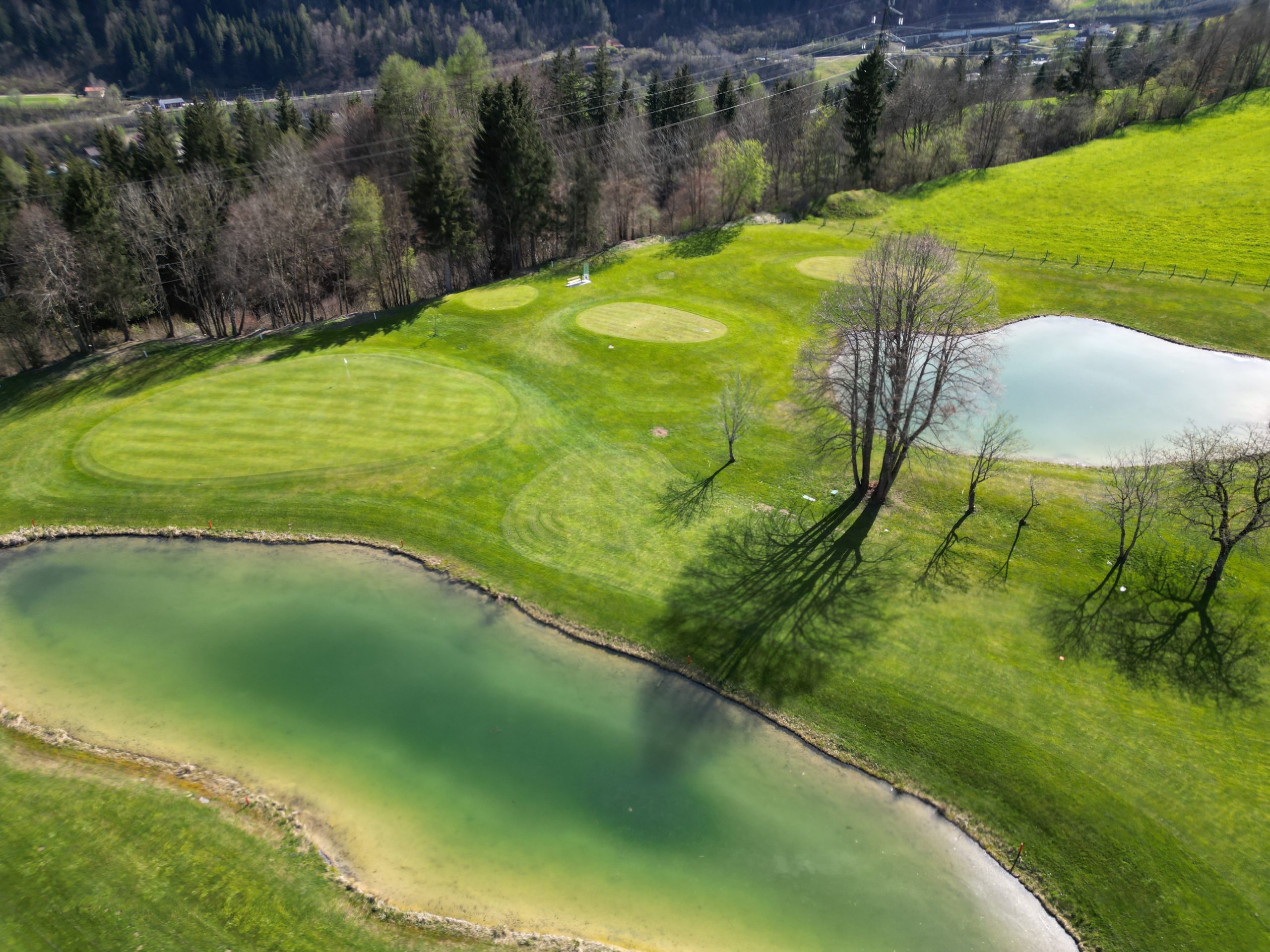
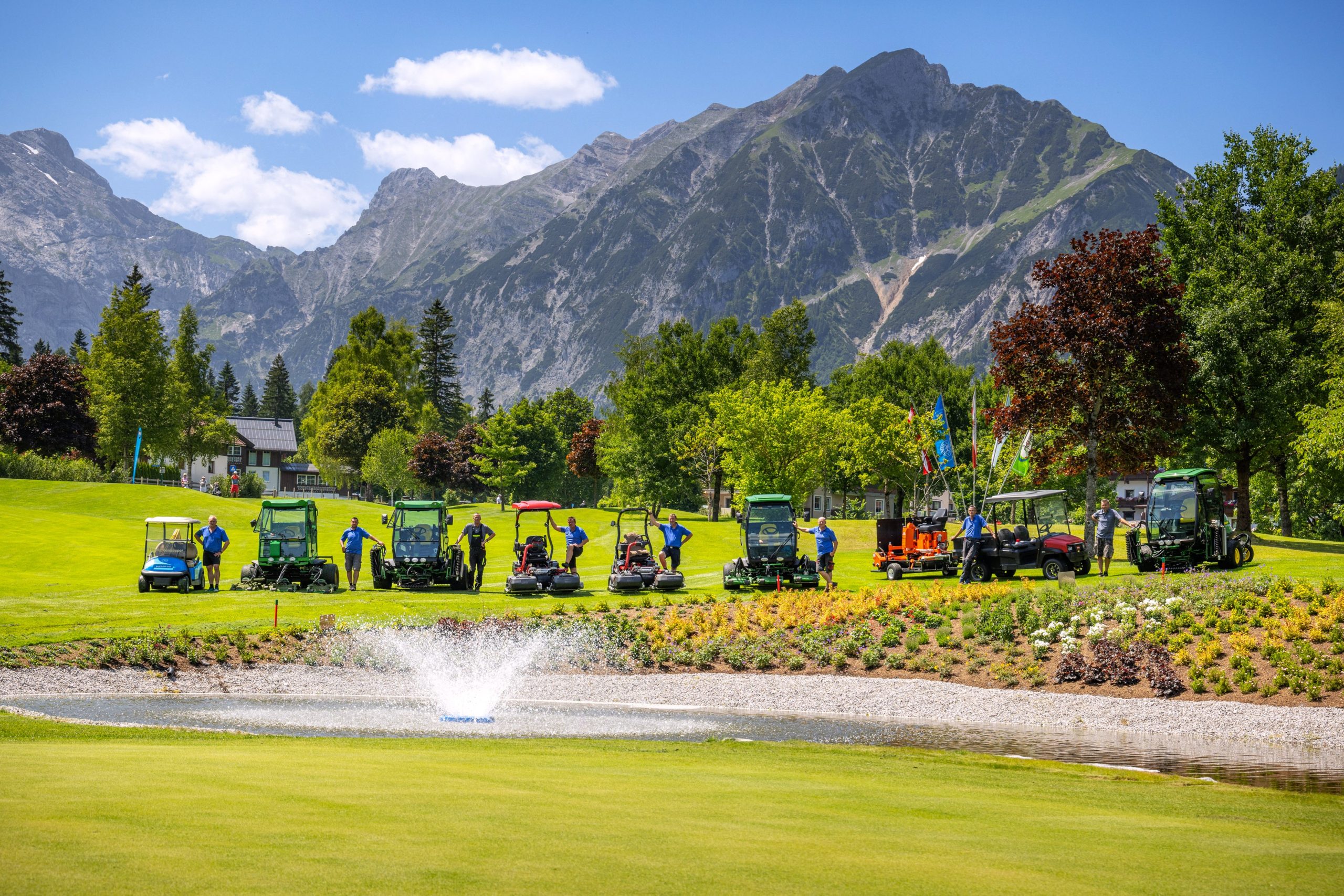
Golf in Tyrol and Salzburg is mountain golf, and it plays like it. Fairways tilt, run along valley floors between peaks, or climb onto shelves with the Alps filling every sightline. Elevation change is constant, so distance judgement matters as much as ball-striking, and the reward for a well-timed shot is often a view you will remember longer than the score. This is not links golf and it is not manicured resort golf on flat ground. It is scenic, weather-dependent, and at its best genuinely thrilling.
The region packs a lot into a small area: valleys around Kitzbühel, Seefeld, the Zillertal and the lakes east of Salzburg all hold courses within reasonable driving distance of one another. That makes it well suited to a road-based golf trip where you pair rounds with alpine scenery, spa hotels and short mountain drives.
When to go
The season is short and that is the single most important planning fact. Alpine courses at altitude cannot open until the snow clears and the ground dries, which in practice means play typically runs from around May into October. The higher and more mountainous the setting, the later it opens and the earlier it closes.
June to September is the reliable window. July and August bring the warmest, most stable weather and the longest daylight, but they are also peak holiday months across Austria, so tee times and hotel rooms are tighter and more expensive. Booking ahead in high summer is not optional.
Late spring and early autumn are the sweet spot for value and space. May and September can deliver superb clear days, quieter fairways and easier reservations, with the trade-off that mountain weather is more changeable and mornings can be cold. September also brings the first autumn colour to the valleys, which flatters courses like those around Seefeld and Kitzbühel.
Whatever month you choose, treat afternoon thunderstorms as a real possibility in summer. Tee off early where you can, both to beat the weather and to secure the calmer conditions.
The courses worth planning around
Seefeld: two courses, one base
The plateau above Seefeld in Tirol is one of the strongest single bases in the region because you have two very different courses within the same resort town. Golfclub Seefeld-Reith and Golfplatz Seefeld-Wildmoos let you build a two- or three-round stay without moving hotels. The high-altitude setting gives clean mountain air and dramatic backdrops, and the town itself is geared to visitors with plenty of accommodation and easy rail access. If you want a golf-and-mountains break where the logistics stay simple, this is the obvious choice.
Kitzbühel and the Brixental side
Golfplatz Eichenheim Kitzbühel-Aurach sits above one of the most famous resort towns in the Alps, and it plays across dramatic hillside terrain with the kind of elevation change that defines this style of golf. Kitzbühel makes a natural anchor for a trip: it has the hotels, the restaurants and the alpine glamour, and it puts you within striking distance of several other valleys.
The Zillertal and Achensee
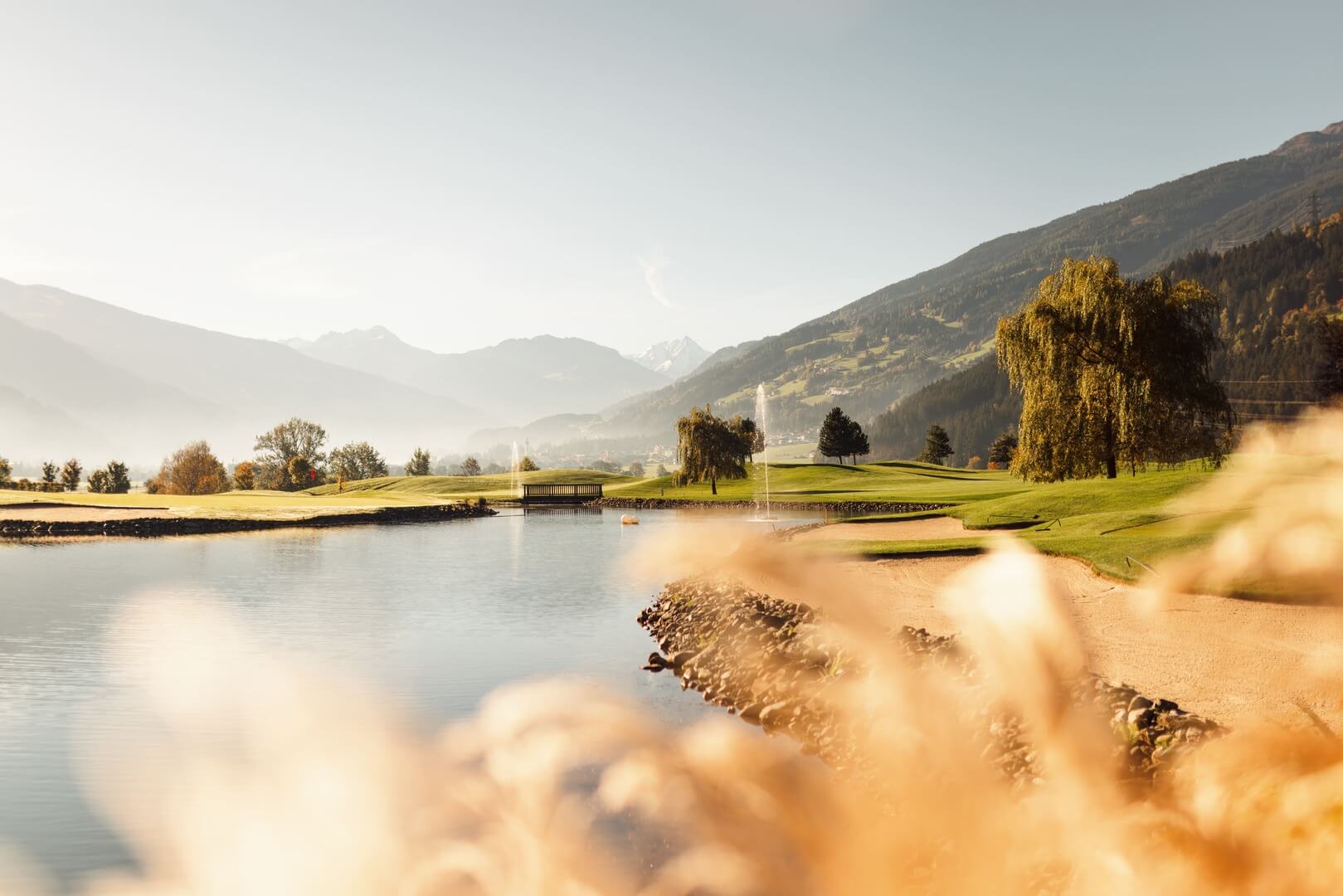
Down the Inn valley and up into the Zillertal, Golfclub Zillertal Uderns gives you valley-floor golf hemmed by steep mountain walls, an approachable base in a classic Tyrolean holiday valley. To the north, Golf- und Landclub Achensee at Pertisau sits by Tyrol's largest lake, a genuinely beautiful setting that pairs golf with swimming and hiking.
Walchsee and the Kaiser mountains
Golfclub Walchsee-Moarhof lies in the north-eastern corner of Tyrol near the lake it is named for, in the shadow of the Kaiser range. It is a quieter alternative to the Kitzbühel crowds and works well combined with the lake resort atmosphere of Walchsee itself.
The Salzburg lakes and the Salzkammergut edge
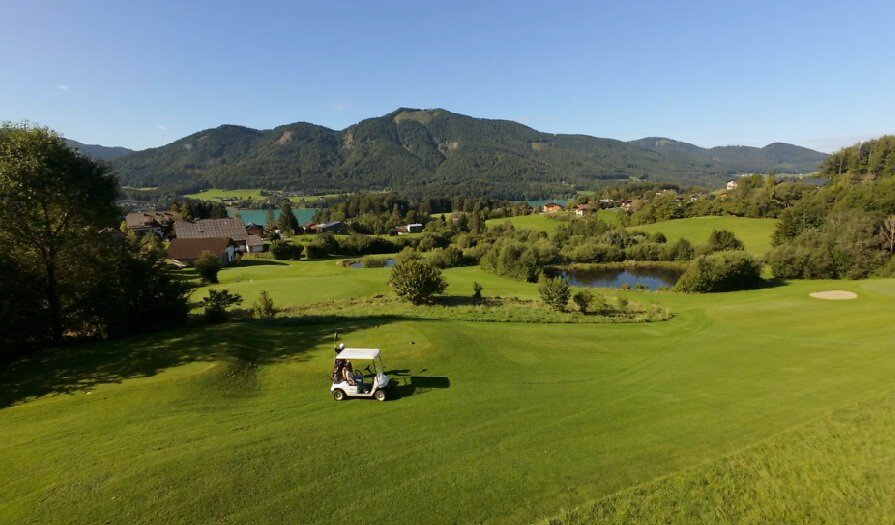
East of Salzburg city, a cluster of courses makes a completely different kind of trip, greener and gentler, built around lakes and rolling farmland rather than high peaks. Golfclub Waldhof at Fuschl am See, Golfclub Römergolf at Henndorf am Wallersee and Golfanlage Eugendorf are all within easy reach of Salzburg, which means you can combine golf with the city's culture, music and food. This is the part of the region to choose if you want your non-golf hours filled with something other than mountains.
The Pinzgau and Gastein valleys
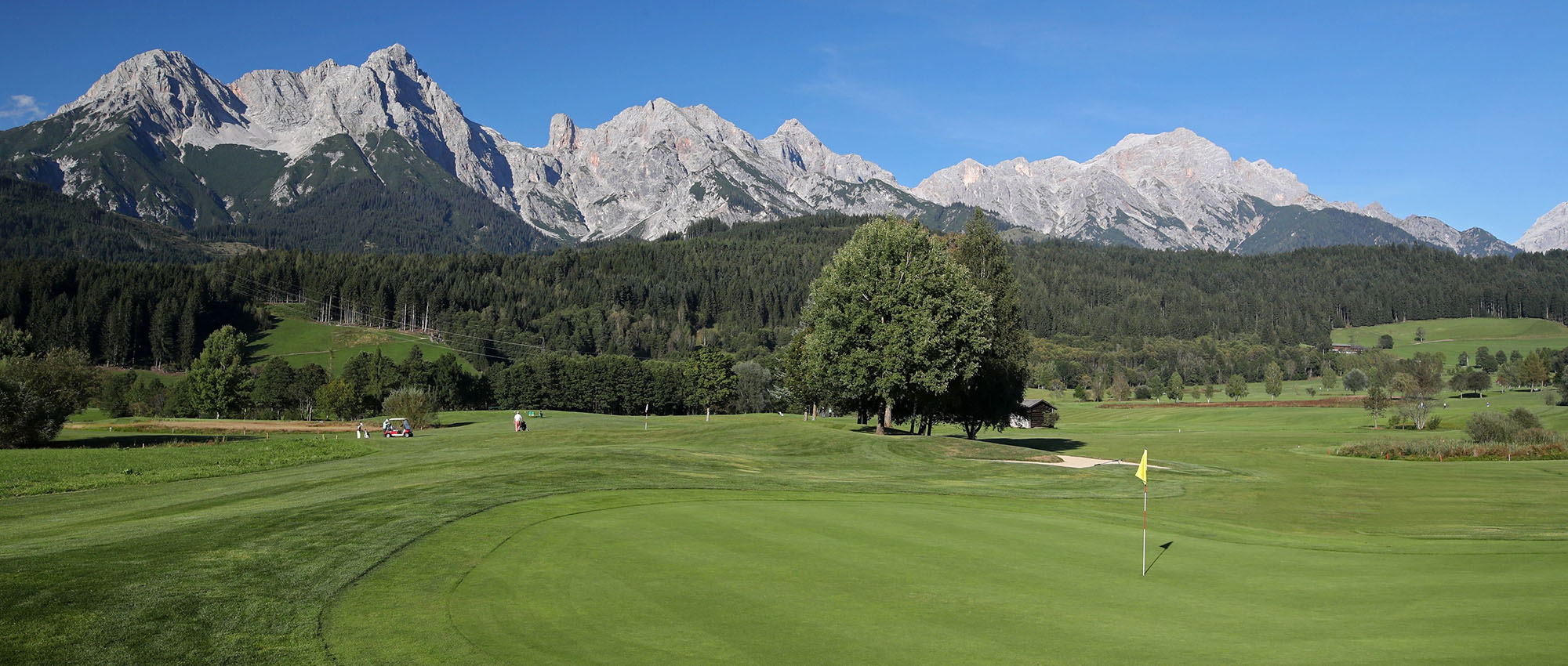
Deeper into Salzburg's alpine south, the golf gets more serious about the scenery again. Golfplatz Urslautal Saalfelden Maria Alm and Golfclub Gut Brandlhof, both around Saalfelden am Steinernen Meer, sit beneath the striking rock wall of the Steinernes Meer and make Saalfelden a strong two-course base in its own right. Further south, Golfclub Gastein at Bad Gastein combines golf with one of Austria's best-known spa towns, ideal if you want thermal baths after a round. Golfclub Goldegg rounds out the Pongau options in a pretty village setting.
Practical matters
The easiest gateways are Salzburg and Innsbruck airports, with Munich a strong alternative that opens up the whole northern side of the region by car. Salzburg is the natural base for the lake courses and the Pinzgau/Gastein valleys; Innsbruck suits Seefeld, the Zillertal and Achensee.
A car is the sensible way to do a golf trip here. The rail network is excellent for reaching main towns like Seefeld, Kitzbühel and Bad Gastein, but golf courses often sit outside the towns and clubs are scattered across separate valleys. Distances on the map look short, yet mountain roads and valley detours mean drives take longer than you expect, and hopping between, say, the Zillertal and Gastein is a proper transfer rather than a quick spin.
The most enjoyable way to structure a trip is to pick two or three bases rather than chase every course. A workable pattern:
- Seefeld for two rounds without moving (Seefeld-Reith and Seefeld-Wildmoos), plus a day trip to Achensee or the Zillertal.
- Kitzbühel for Eichenheim and the resort atmosphere, within reach of Walchsee.
- Salzburg for the lake courses at Fuschl, Henndorf and Eugendorf, with city time built in.
- Saalfelden or Bad Gastein for the southern alpine courses and spa hotels.
Green fees vary by course and season and are not published here, so confirm rates and, crucially, tee availability directly when you book — especially in July and August. Many clubs are member-friendly but welcome visitors; call ahead rather than turning up. Pack for changeable mountain weather even in summer, and budget extra time for weather delays into any tight itinerary.
Who it suits, and who it does not
This region suits golfers who want scenery to be part of the point. If a backdrop of alpine peaks and lakes lifts a round for you, and you like pairing golf with hiking, swimming, spa towns or a city like Salzburg, you will love it. It rewards travellers happy to drive between valleys and to build a trip around two or three bases rather than one big resort.
It also suits couples and mixed groups where not everyone plays: the non-golf offering — mountains, lakes, thermal baths, Salzburg's culture — is genuinely strong.
It is a weaker choice if you want guaranteed sunshine and a long season; the alpine climate is changeable and the playing window is narrow. Golfers who prize flat, walkable layouts and fast, firm conditions may find the constant elevation change and mountain terrain tiring. And anyone wanting to stay put and play a dozen courses from one doorstep will find the region's spread frustrating — the courses here are worth travelling to, and worth travelling between.