Golfing in Italy: A Regional Guide to Lakes, Tuscany and the Roman Countryside
Italy
What golf in Italy is actually like
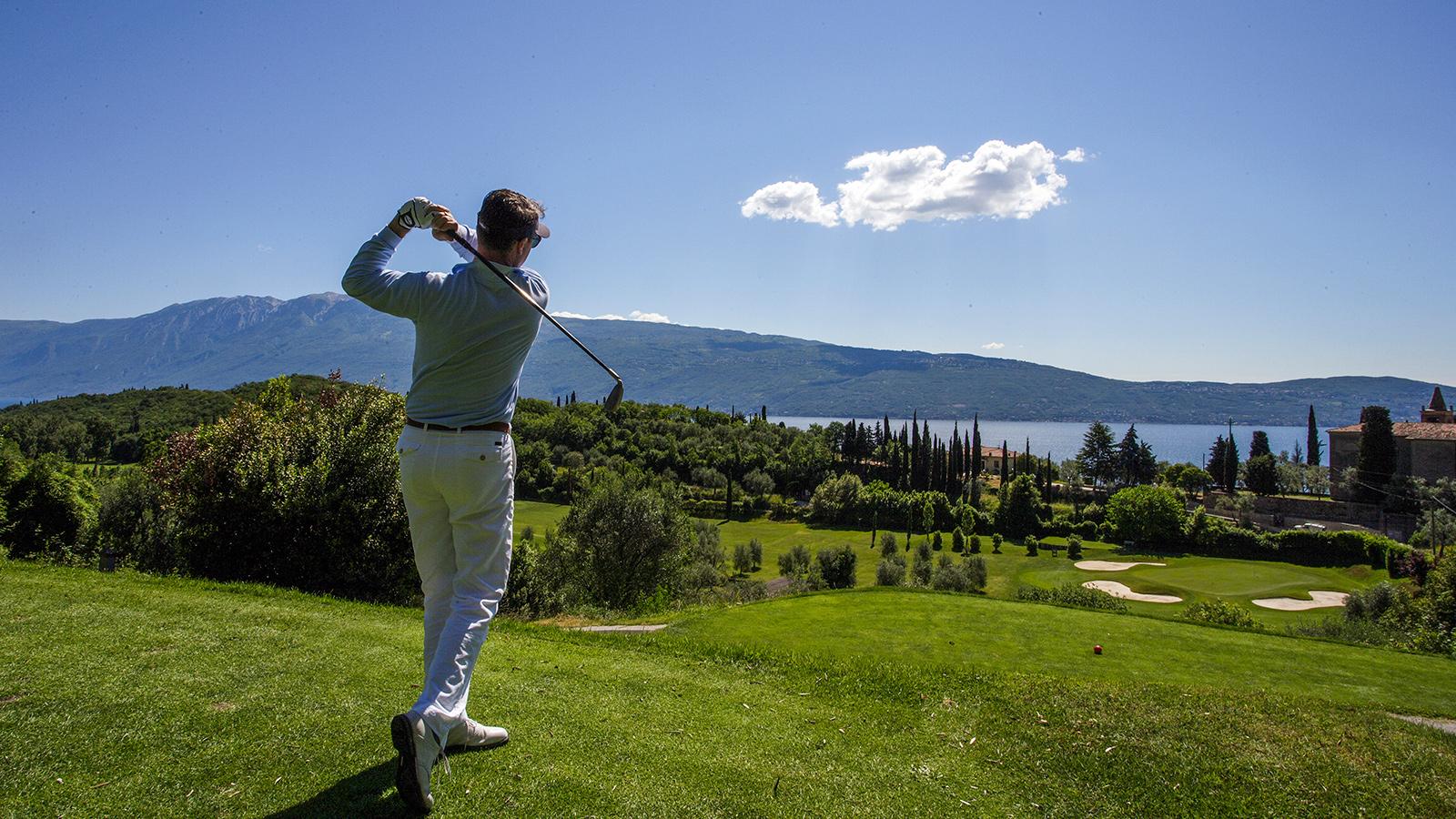
Golf in Italy is a secondary tourism — it exists alongside the food, the wine and the scenery rather than dominating them, and that shapes everything about how you play here. You will not find the wall-to-wall course density of the Algarve or Spain's Costa del Sol. Instead you get a scatter of well-kept clubs, often attached to a resort or wine estate, set against genuinely spectacular backdrops: the amphitheatre of hills around Lake Garda, the vineyard folds of Tuscany, the rolling volcanic country north of Rome.
The upside is that a round here rarely feels like a factory operation. The downside is that you need to plan around the golf rather than expecting the golf to be everywhere. Treat it as one thread of a wider Italian trip and you will have a very good time. Treat it as a pure buddies-golf blitz and you may find yourself driving more than you'd like.
When to go
Italy's golf season is long but climate splits sharply by region. In the north — Lake Garda and the Veneto — the sweet spots are late April to June and September into October. Midsummer around the lake is hot and humid, and while the courses stay open, afternoon play in July and August is uncomfortable. Winter brings the risk of frost delays and course closures at altitude.
Central Italy — Tuscany and the countryside around Rome — plays a little longer at both ends. Spring is glorious and green; autumn gives you warm days, softer light and the harvest season in full swing, which is the best time to combine golf with wine touring. High summer inland is genuinely hot, so early tee times are essential.
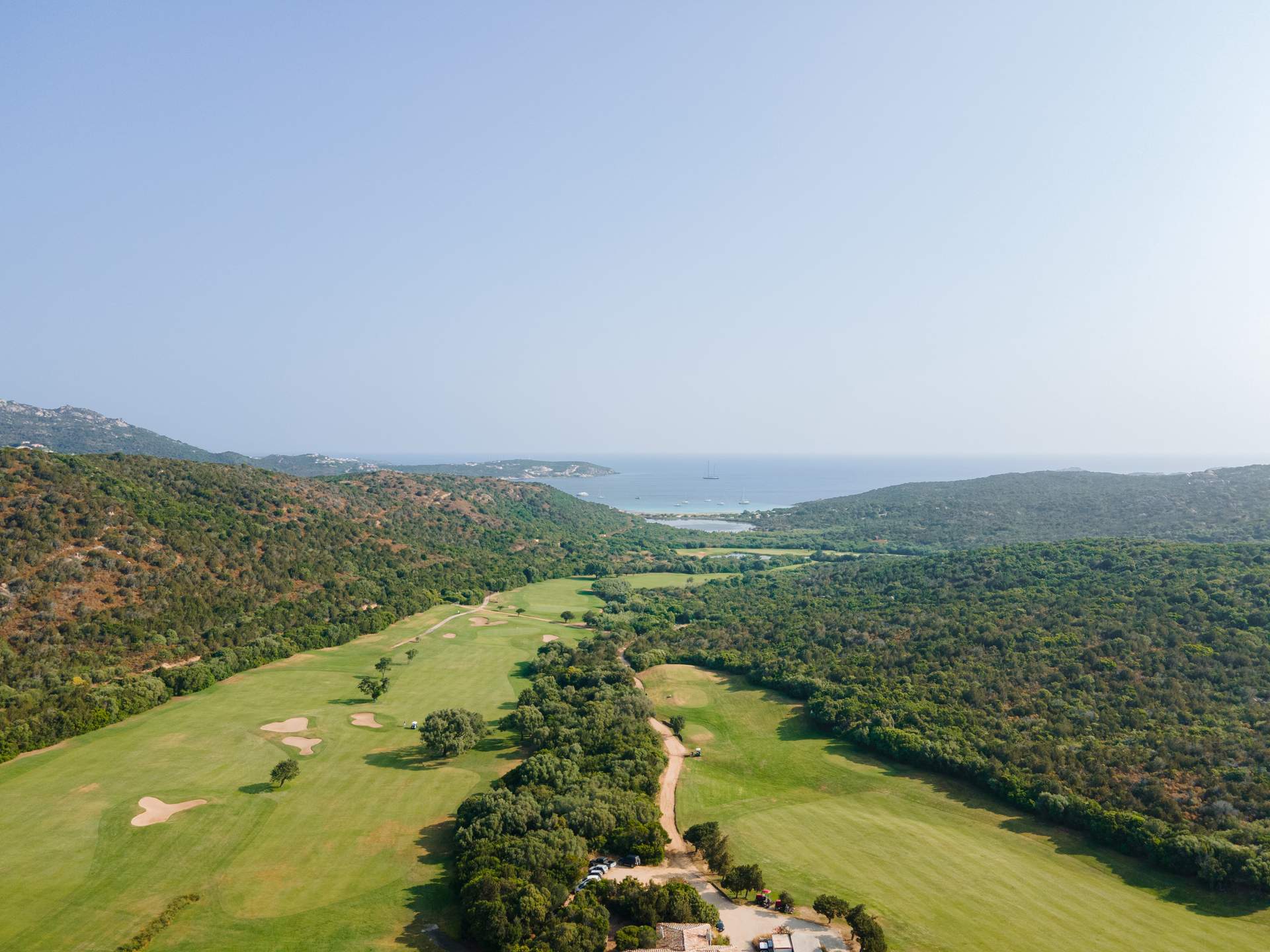
Sardinia's Costa Smeralda, home to Pevero Golf Club, is the outlier: it is a summer-holiday coast first and foremost. The course is at its busiest and priciest in July and August when Porto Cervo fills up. For golf specifically, aim for May, June, September and October — warm sea, milder heat, and far easier tee-time availability than in peak season.
The courses worth planning around
Lake Garda and the Veneto
This is the strongest cluster in the data, and the easiest region to build a multi-course trip around. The lake's western and southern shores put several clubs within a short drive of each other.
- Gardagolf Country Club at Soiano del Lago is the headline act on this side of the lake — a substantial parkland layout in the hills above the western shore, and the sort of course that anchors a golf itinerary.
- Arzaga Golf Club at Calvagese della Riviera is a resort-based club a short hop inland, well set up for a golf-and-stay stopover.
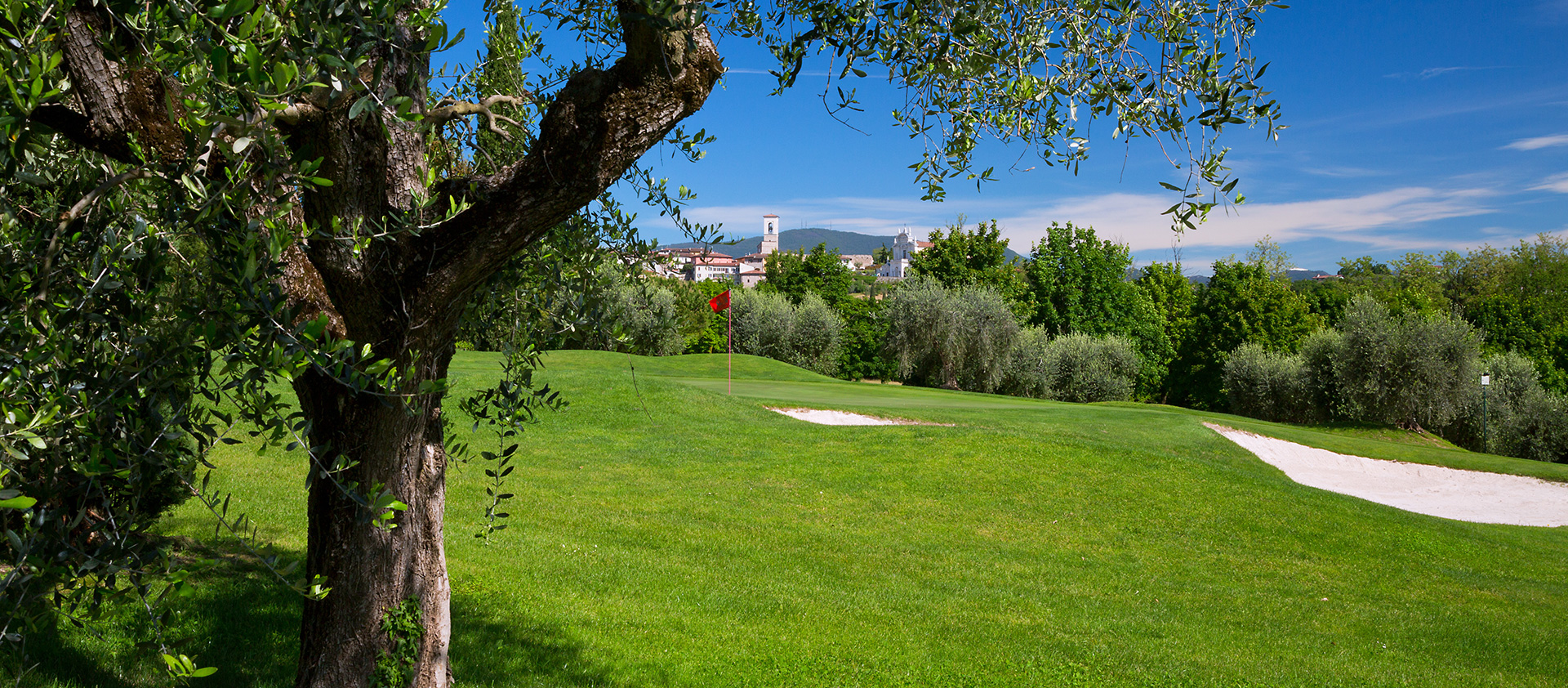
- Ca' degli Ulivi Golf at Marciaga sits above the eastern shore near Garda town, with the olive-grove character its name suggests and lake views to match.
- Golf Bogliaco at Toscolano Maderno is the more intimate option on the western shore, tucked into the steep ground close to the water.
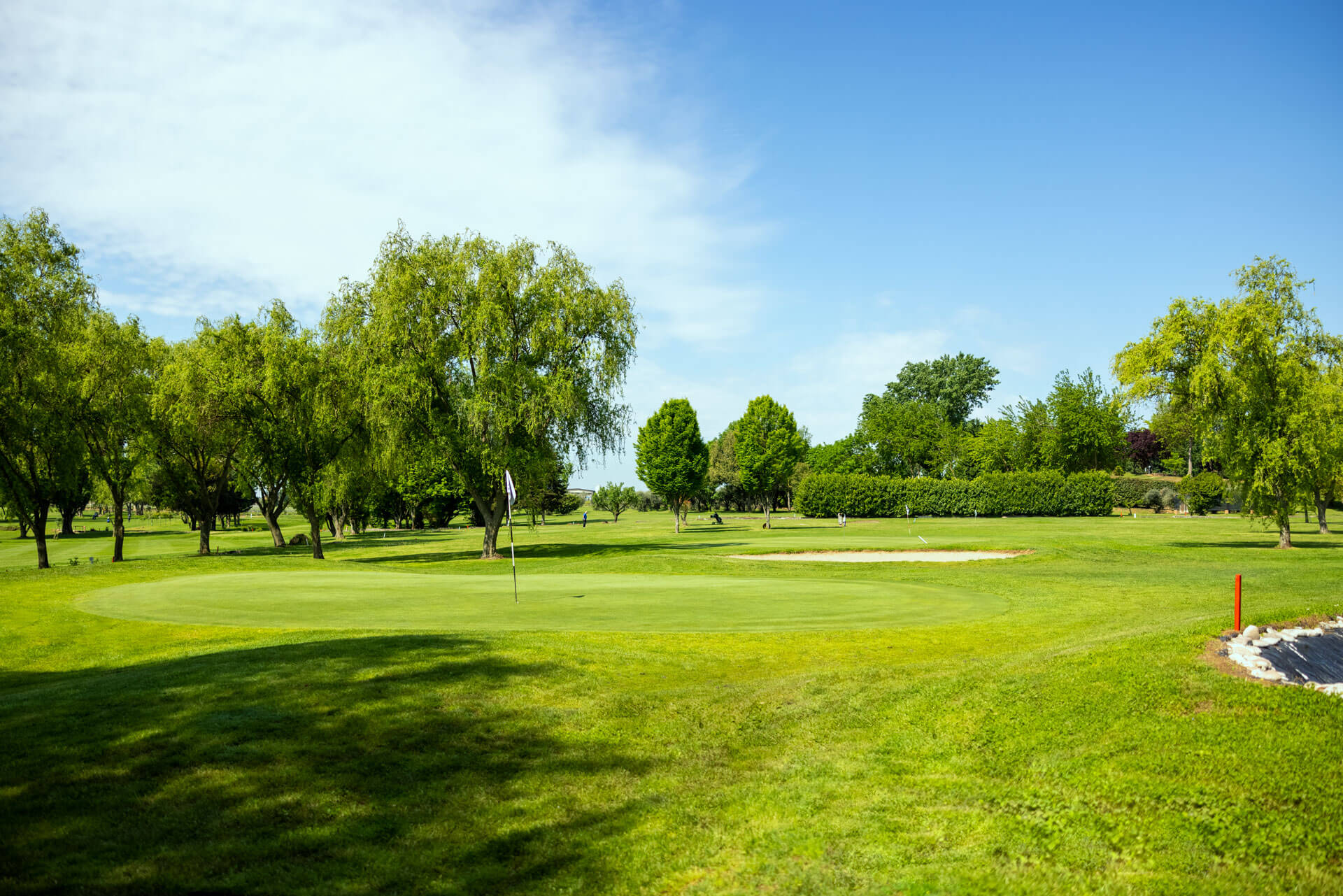
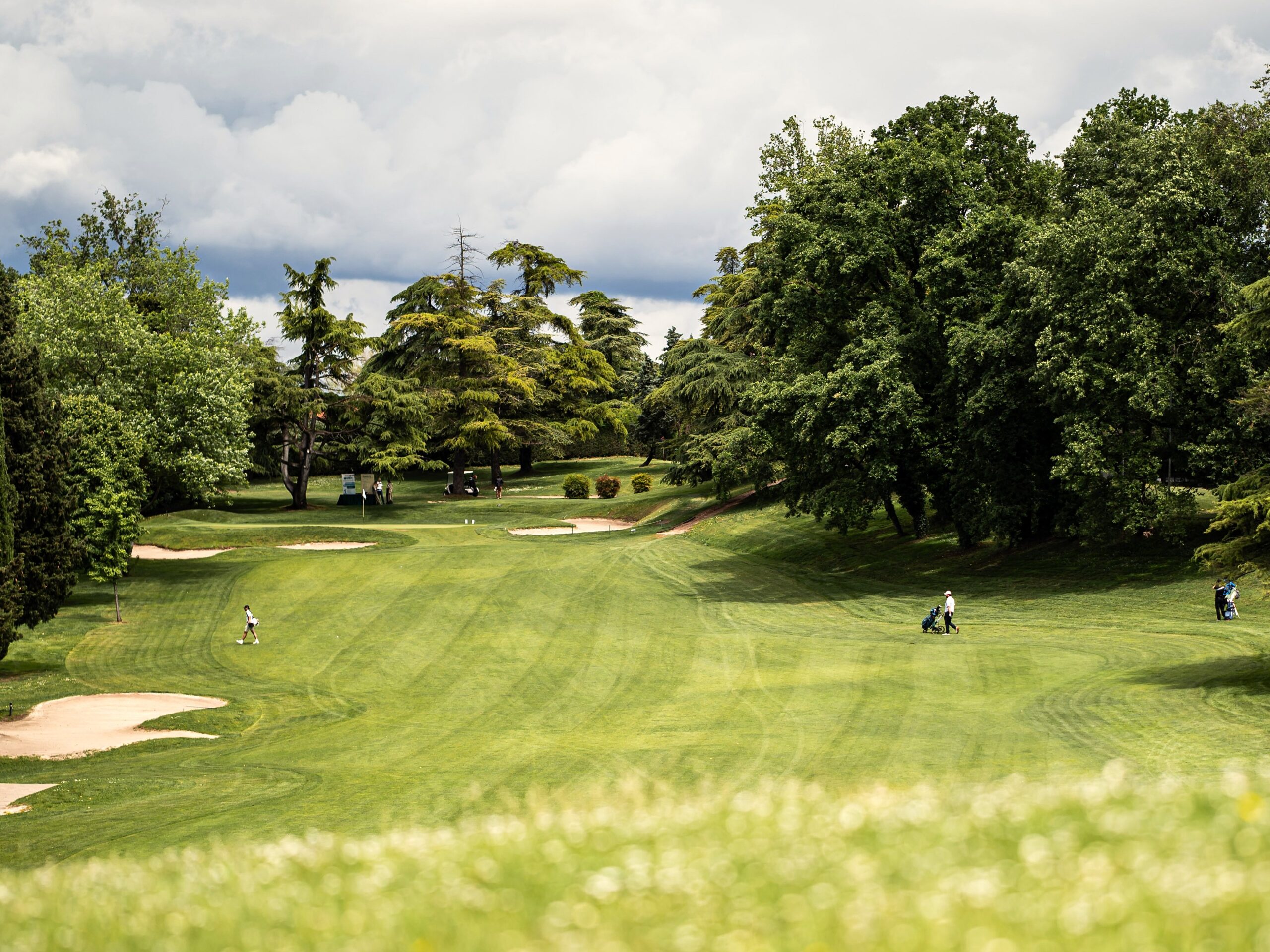
Just south and east, in the Verona hinterland, Golf Club Verona at Sommacampagna and Golf Club Villafranca at Villafranca di Verona give you two more established clubs on flatter, more open terrain. Combining Garda's lakeside courses with a round near Verona is very doable and makes a natural base — Verona itself is a fine city to stay in with an airport and fast rail links.
Tuscany and the Casentino
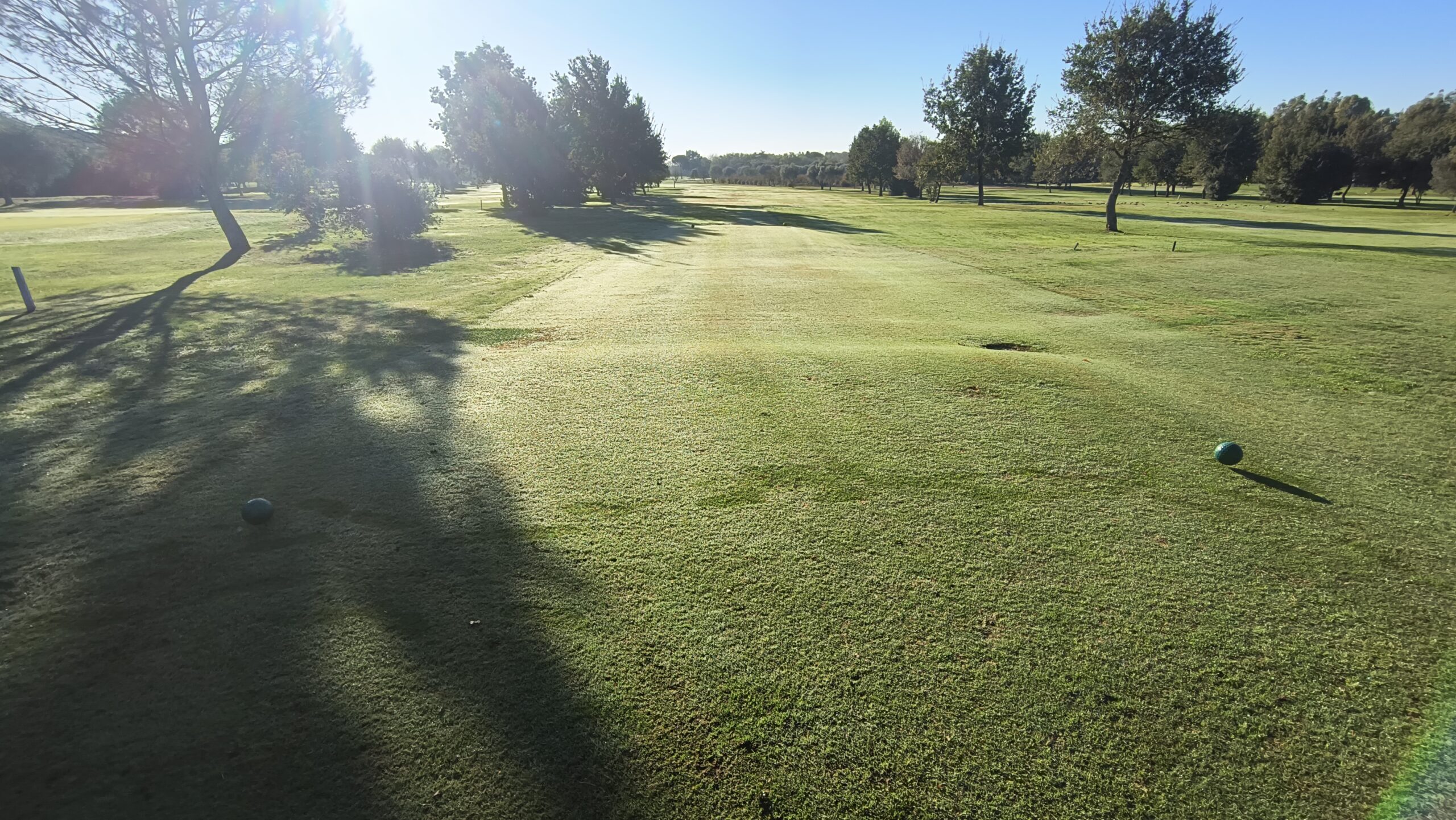
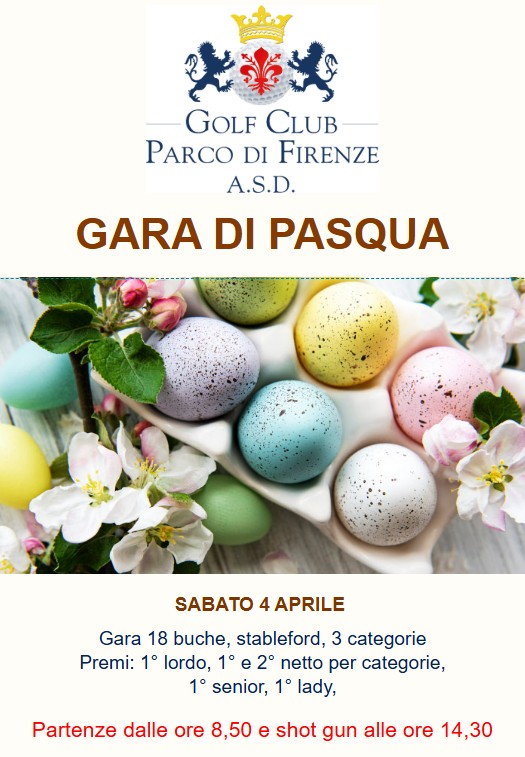
Tuscany's courses are spread out, which suits a touring holiday where you're moving between towns and vineyards anyway. Golf Club Parco Di Firenze puts you within reach of Florence itself — useful if the trip is really a city break with a round attached. Further out, Golf Club Casentino at Poppi sits in the wooded, mountainous Casentino valley east of Florence, a quieter and more scenic corner than the classic Chianti postcard. To the south, Golf Club Valdichiana at Bettolle covers the broad Valdichiana plain near the Umbrian border, handy if you're basing yourself around Montepulciano and Cortona.
The most ambitious golf destination in the region is Royal Golf La Bagnaia, near Bagnaia just outside Siena — a resort course that gives central Tuscany a proper stay-and-play address rather than a day-trip club. If you want one base that combines a serious course with a Tuscan estate feel, this is the one to build around.
Around Rome
The countryside north and south of the capital holds a small but useful group. Terre dei Consoli Golf Club & Resort at Monterosi, in the volcanic-lake country north of Rome towards Viterbo, is the standout resort option and pairs well with the Etruscan and thermal-spa sights of the area. Archi di Claudio Golf Club is closer to Rome itself, making it the practical choice if you want a round without straying far from the city. South towards the coast, Golf Club MareDiRoma at Ardea gives you a seaside-adjacent option handy for the Lazio beaches. These three let you build a Rome trip where golf slots between the museums and the ruins rather than replacing them.
Practical matters
Italy rewards a car. Public transport is excellent between major cities but useless for reaching most golf clubs, which sit out in the countryside. Plan on renting a vehicle for any trip built around more than one course.
Distances vary a lot by region:
- Lake Garda / Verona is the most compact. The lakeside courses and the Verona-area clubs are all within comfortable driving range of a single base. Fly into Verona, Bergamo or Milan. This is the region where you can realistically play three or four courses in a week without long transfers.
- Tuscany is spread across a wide area — Florence, the Casentino, the Valdichiana and Siena are not close to one another. Expect meaningful drives between rounds, and plan the golf around where you're already staying rather than trying to reach every course.
- Rome works as a city base with day trips out to Monterosi, Ardea or the closer-in Archi di Claudio. Roman traffic is the main obstacle; give yourself buffer time.
- Sardinia stands alone. Pevero is reached via Olbia airport and is best treated as a single destination in its own right, not combined with the mainland.
A typical Italian golf trip is a hybrid: two or three rounds spread across a week that also involves cities, food and wine, with the golf clustered wherever you happen to be. Book tee times ahead in spring and autumn — the good clubs fill up, and many operate as members' clubs where advance booking and a handicap certificate smooth your way. Standards of dress and etiquette lean traditional.
Who it suits — and who it doesn't
Italy suits the golfer who wants their golf woven into a broader holiday: someone who'll happily play Gardagolf in the morning and spend the afternoon on the lake, or pair a round at La Bagnaia with an evening in Siena. It suits couples and mixed groups where not everyone plays, and it rewards travellers who already love Italy and want to add a few memorable rounds to a trip they'd take anyway.
It suits scenery hunters. Few golfing countries offer backdrops like Lake Garda's mountains, the Costa Smeralda's granite coastline or the Tuscan hills, and the courses here make the most of them.
It's a weaker fit for the pure golf-blitz group chasing 36 holes a day at rock-bottom prices. The courses are more scattered and generally more expensive than the Iberian value destinations, and outside the Garda cluster you'll spend real time in the car. It's also not the obvious choice for a winter escape — for reliable off-season sun you're better off further south or overseas. Come in spring or autumn, accept that the golf shares the stage with everything else Italy does well, and it delivers something few destinations can match.