
Golf in the Paris Region: A Planning Guide to the Île-de-France Courses
Paris Region
What golf around Paris is actually like
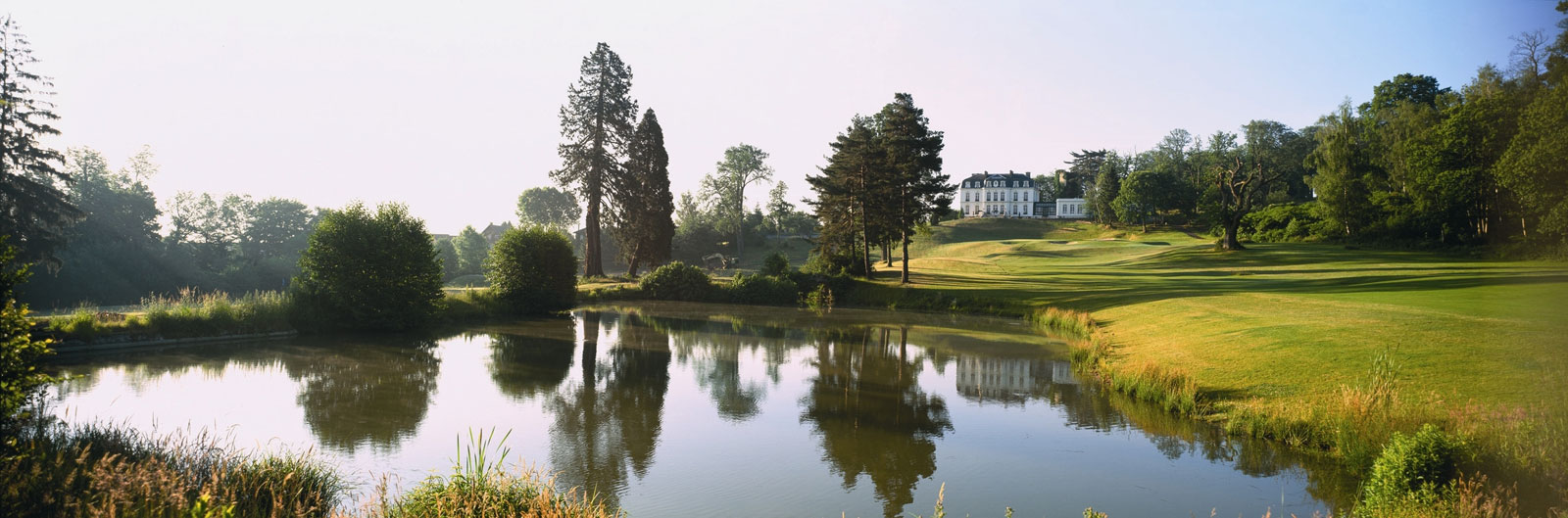
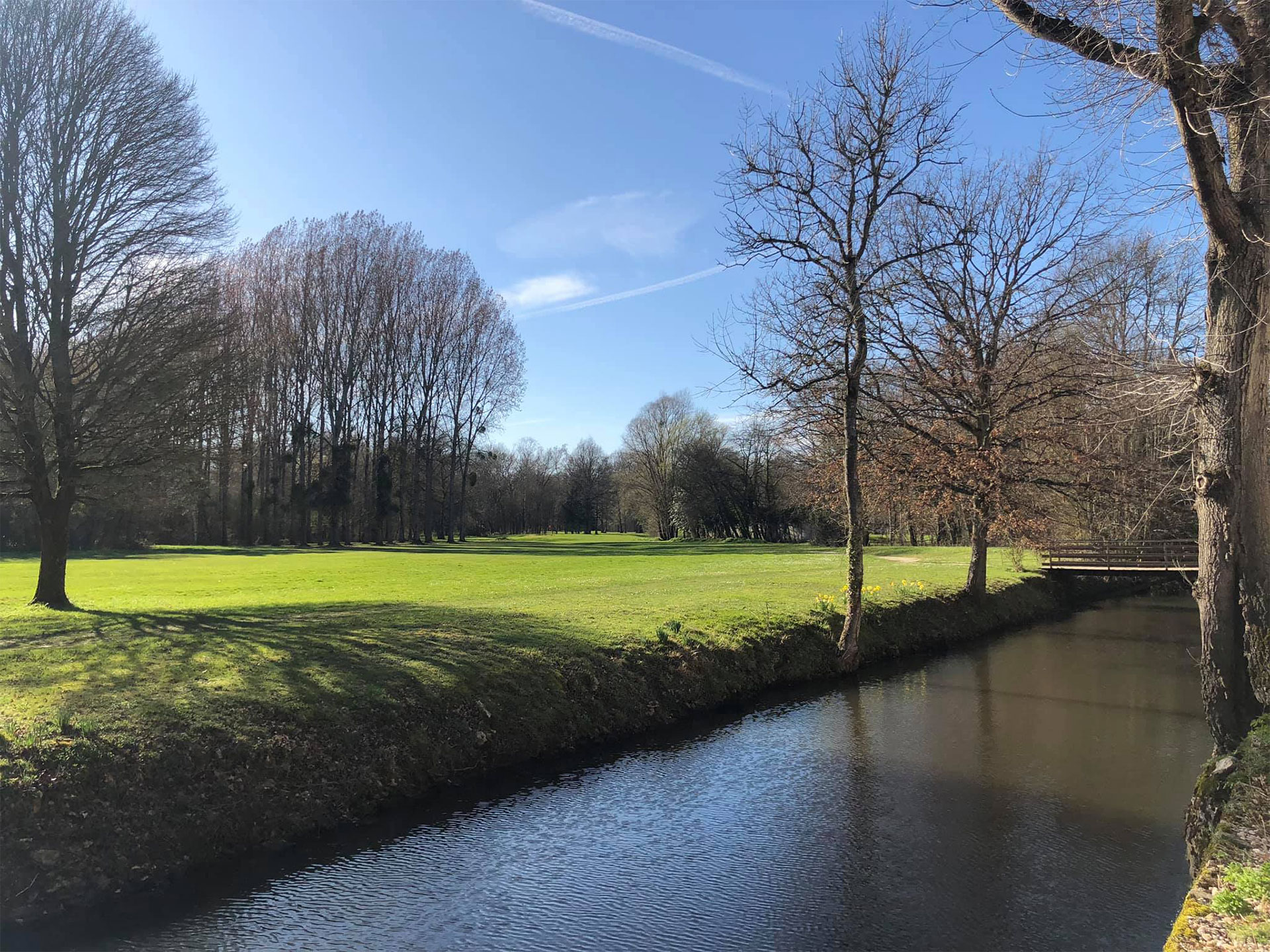
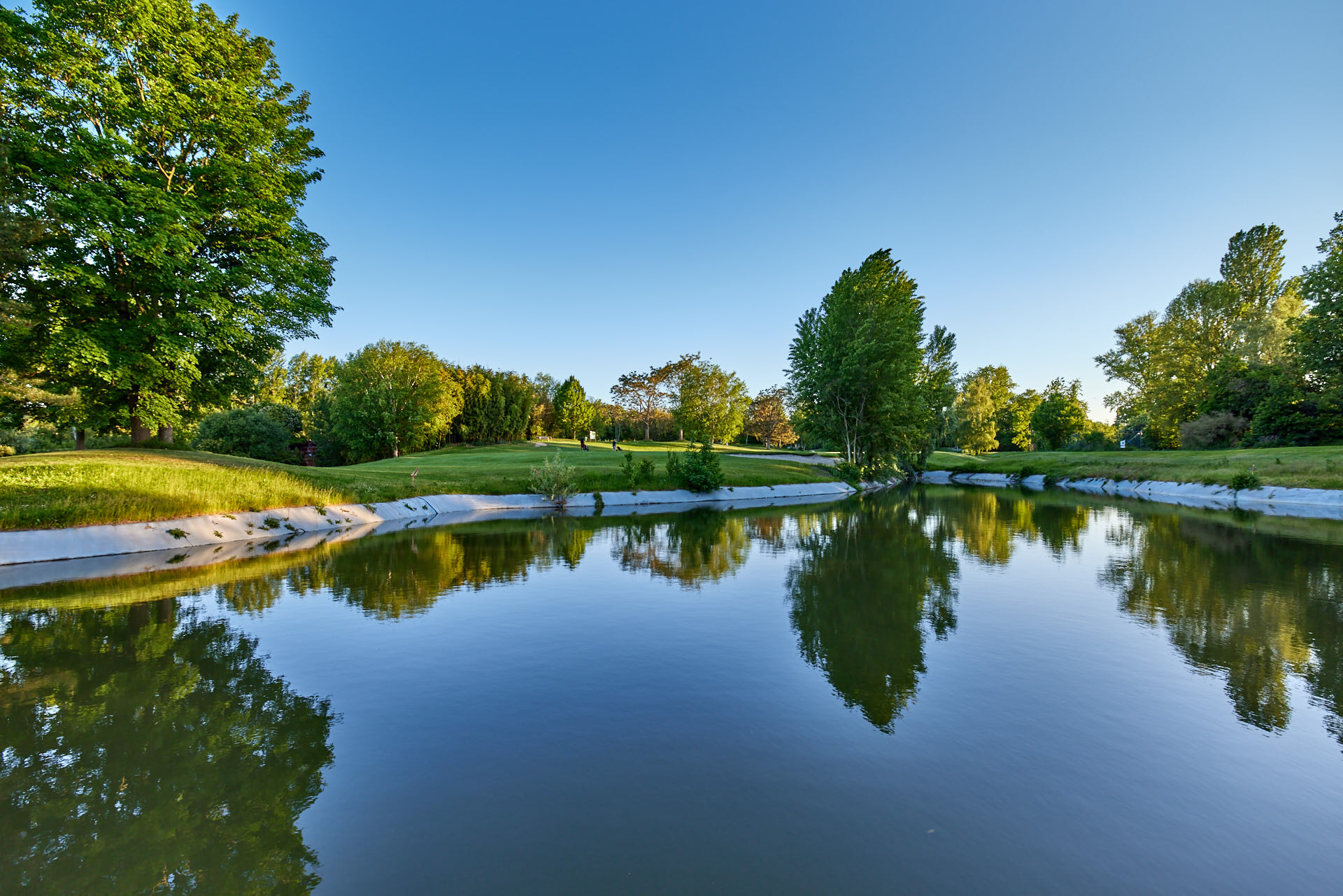
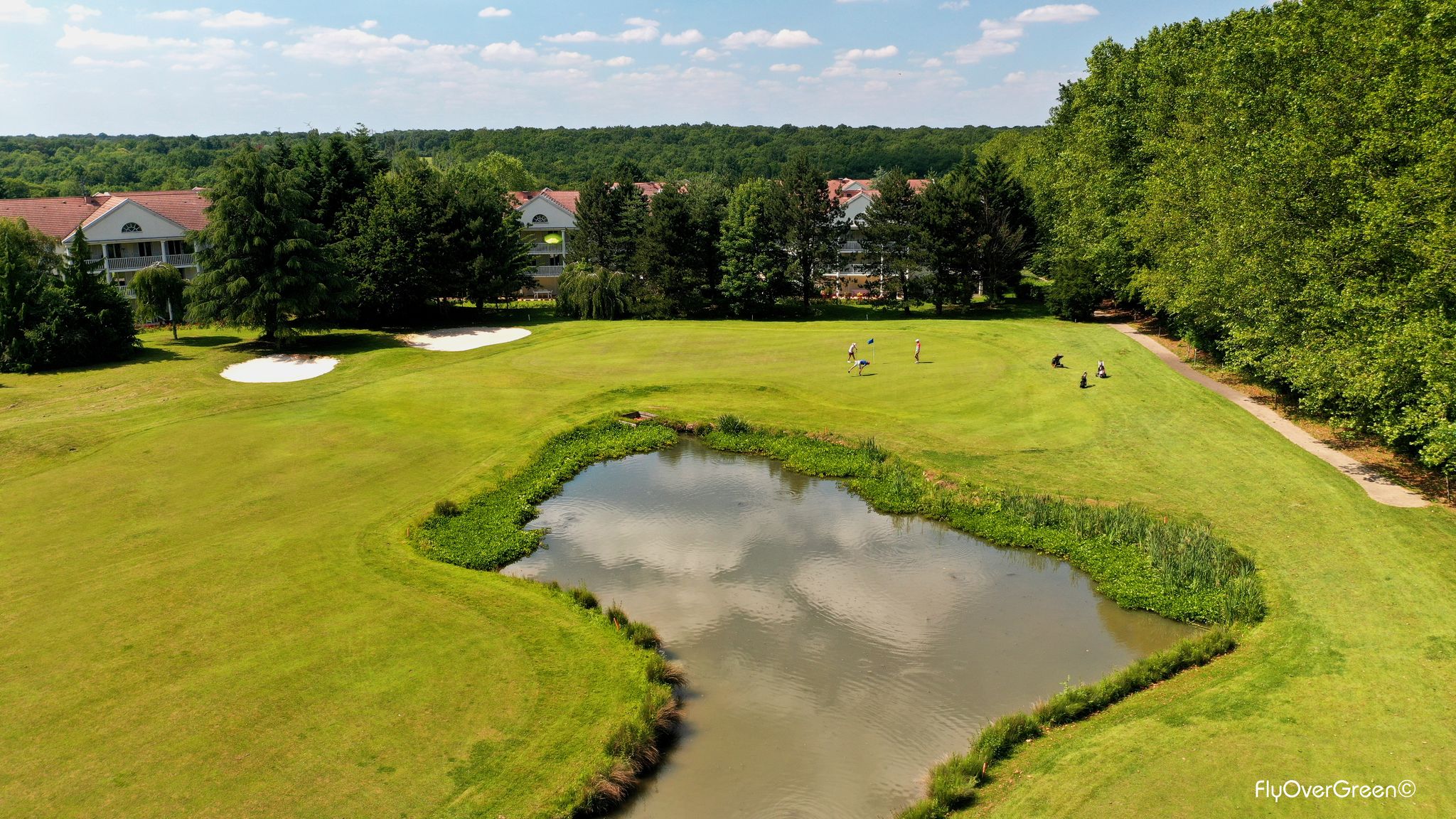
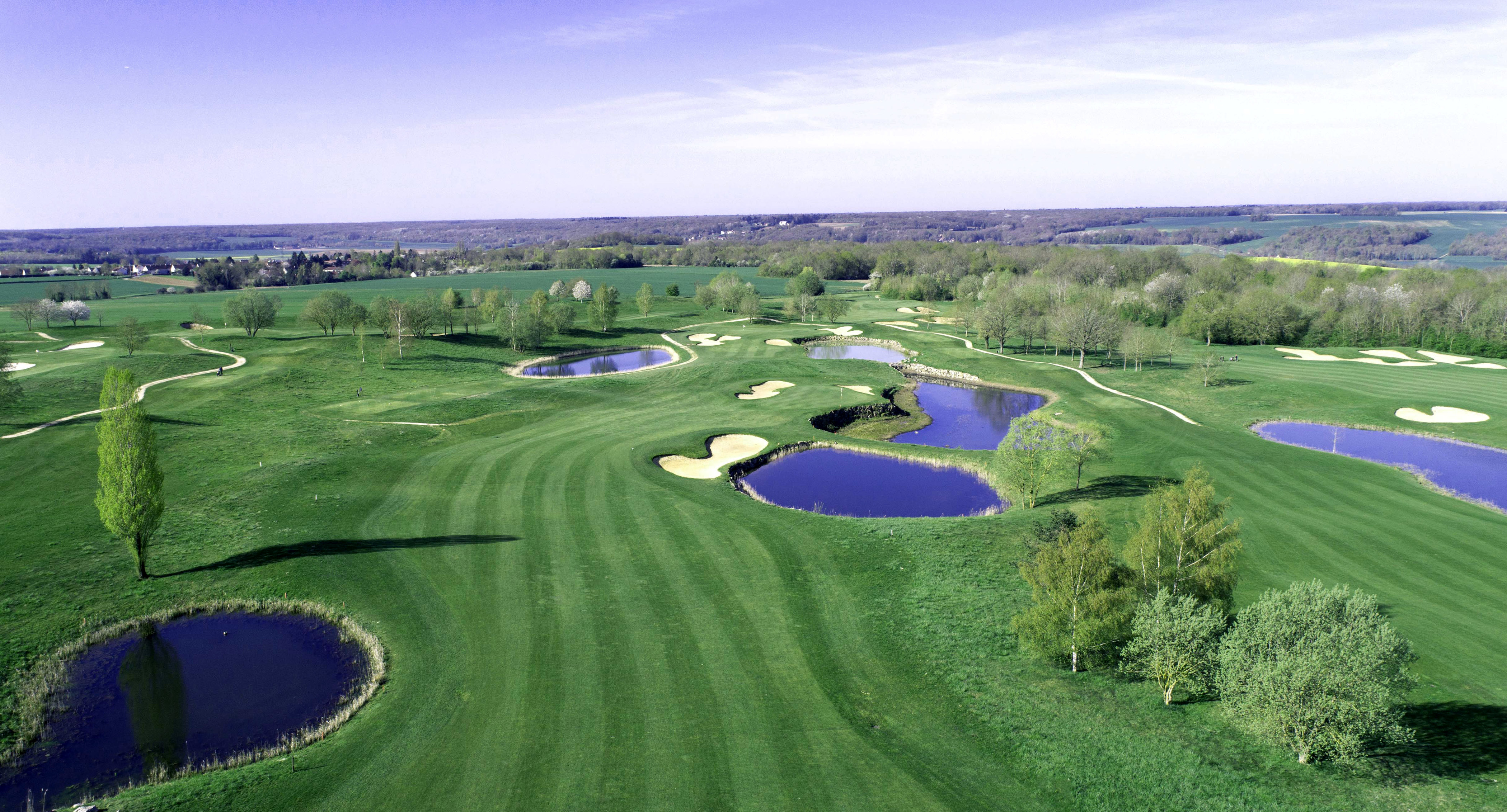
Golf in the Paris Region is not a resort experience, and it helps to know that before you book. This is club golf on the doorstep of a major capital: mature parkland courses threaded through the western and southern suburbs, a handful of serious historic clubs, and a scattering of newer, more accessible layouts within an hour's drive of the city. The terrain is gentle rather than dramatic, the trees do most of the defending, and the settings run from genuine forest to the fringes of commuter towns.
The upside is obvious. You can base yourself in central Paris, do the museums and the food, and still tee off in the morning without a long transfer. The trade-off is that this is a region you drive around, not a compact golf coast where everything sits on one road. Plan the logistics and it works beautifully. Turn up hoping to wing it on a summer weekend and you will struggle.
When to go
The Île-de-France has a temperate, four-season climate, and the golf calendar follows it closely.
May, June and September are the sweet spot. Long daylight, mild temperatures, courses in full condition, and — crucially — weekday tee times that are far easier to secure than in high summer. Late spring in particular gives you dry-ish fairways and green surrounds before the holiday crowds arrive.
July and August bring the warmest, most reliable weather but also the busiest tourist city. The paradox for golfers is that many Parisians leave town in August, which can actually free up tee times mid-week at the private-leaning clubs, even as the city itself is jammed. Heat is rarely extreme, but occasional warm spells make an early start sensible.
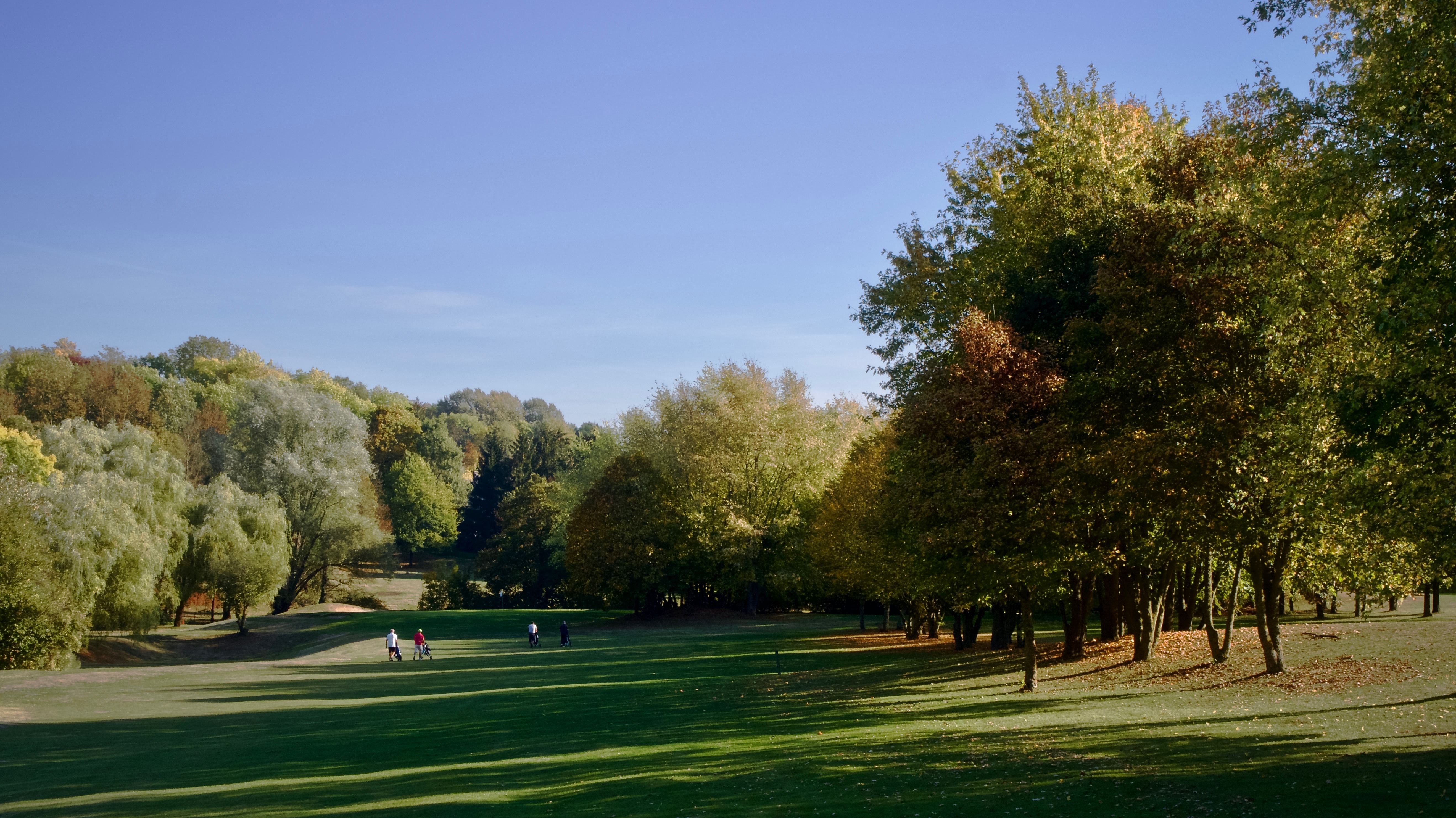
October can be lovely and quiet, with autumn colour on the tree-lined courses, though rain becomes more likely as the month goes on. November through March is genuinely off-season: short days, cold, damp ground, and a real chance of temporary greens or winter closures on the wetter parkland layouts. Green fees and availability are at their best, but so is the risk of a washed-out round.
Whenever you come, book weekdays if you can. Weekend mornings at the established clubs are dominated by members, and visitor access is tighter.
The courses worth planning around
The historic heavyweights
If you want the courses with real pedigree, look west and south of the city.
- Golf de Saint-Germain-en-Laye is the marquee name in the region — a classic forest layout in the town of the same name, on the western edge of Paris. This is the course serious visiting golfers most often want on the list, and it sets the tone for what mature Parisian parkland golf can be.
- Racing Club de France – Golf de la Boulie, near Versailles, is one of the grand old clubs of French golf, with the multi-course, members'-club atmosphere to match. It's a fixture of the Paris golfing establishment and worth the effort to arrange a game.
- Golf de Maisons Laffitte sits in the northwest suburbs, another long-standing club with a genteel, racecourse-town character to the surroundings.
The western suburban cluster
West of Paris you'll find the densest concentration of courses, which makes this the natural base for a golf-focused trip.
- Golf de Noisy le Roi and Golf de Thiverval-Grignon both sit in the Versailles/Yvelines belt, within easy reach of the historic clubs and of each other — useful if you want to pair a couple of rounds in a single area over a day or two.
- Golf de Béthemont at Poissy is another western option, tucked into the countryside around the Seine's western loops.
- Golf Bluegreen Rueil-Malmaison is the closest thing to a truly urban-edge course, close in on the western side of the city — handy for a quick round when you don't want to drive far.
The southern spread
South of Paris the courses are more spread out, which suits a road-trip approach.
- Golf de Saint-Aubin and Golf de Marolles sit in the southern countryside beyond Orly, generally more relaxed and accessible in feel than the historic western clubs.
- Golf de Saint-Germain-lès-Corbeil and Golf de la Marsaudière at Chevry-Cossigny extend the options to the south and southeast, good choices if your accommodation is on that side of the region.
East of the city and Disneyland
To the east, out towards Marne-la-Vallée, the options change character.
- Golf Disneyland is the obvious one for anyone combining golf with a family trip to the theme parks. It's the most resort-flavoured golf in the region and the natural pick if the rest of the party is at the attractions.
- Crécy Golf Club at Crécy-la-Chapelle, in the pretty Grand Morin valley further east, offers a more countryside setting away from the suburban sprawl.
- Golf de Montgriffon, up at Luzarches to the north, sits in open countryside near the edge of the region — a good option if you're staying north of Paris or arriving via Charles de Gaulle.
Practical matters
The single most important planning fact is that the Paris Region is big and the courses ring the city rather than clustering in one spot. A course west of Versailles and one east near Disneyland can be well over an hour apart, and that's before you factor in Paris traffic, which is heavy and unforgiving on weekday rush hours and around the Périphérique ring road.
Getting there is the easy part. Paris has two major airports — Charles de Gaulle to the northeast and Orly to the south — plus excellent rail links, including Eurostar into central Paris. Which airport you use should influence where you base yourself: Orly is closer to the southern courses, CDG to the northern ones like Golf de Montgriffon.
Getting around effectively requires a car. Public transport reaches the suburbs, but hauling clubs between courses on the RER is not a trip anyone enjoys. Rent a car if golf is the priority, and pick a base that matches the courses you most want to play rather than assuming a central-Paris hotel is convenient for everything — it isn't.
A sensible structure for a golf-plus-city trip is to pick one side of the region and stay there. Base in the west (around Versailles or Saint-Germain-en-Laye) and you can string together the historic clubs, Noisy le Roi, Thiverval-Grignon and Béthemont with short drives, while still commuting into central Paris for evenings. Base east near Marne-la-Vallée and you build around Golf Disneyland and Crécy. Trying to zig-zag across the whole region day by day just burns hours in the car.
Book tee times in advance, especially for the older, member-heavy clubs and especially for weekends. Some of the establishment courses expect visitors to arrange access ahead rather than walk up.
Who this destination suits — and who it doesn't
This is a strong choice for the traveller who wants both a world-class city and real golf without treating them as separate trips. If your ideal week is Paris in the evenings and mature parkland courses in the mornings, the Île-de-France delivers exactly that, and the range of clubs — from the historic likes of Saint-Germain-en-Laye and La Boulie to the easygoing southern courses and the family-friendly Golf Disneyland — gives you flexibility to build the trip around whoever you're travelling with.
It suits golfers who value classic, tree-lined design over spectacular scenery, and who don't mind arranging access and driving between clubs.
It's a poorer fit for anyone wanting a self-contained golf resort where you walk from room to first tee and play three courses without moving the car — that model barely exists here. It's also the wrong call for winter golf; the wet, cold months genuinely compromise the parkland courses. And if you want dramatic coastal or links golf, this flat, forested region isn't it. Come for city-and-golf, in late spring or early autumn, with a hire car and booked tee times, and the Paris Region rewards you.