Golf in Belgium: A Practical Guide to Planning a Trip
Belgium
What golf in Belgium is actually like
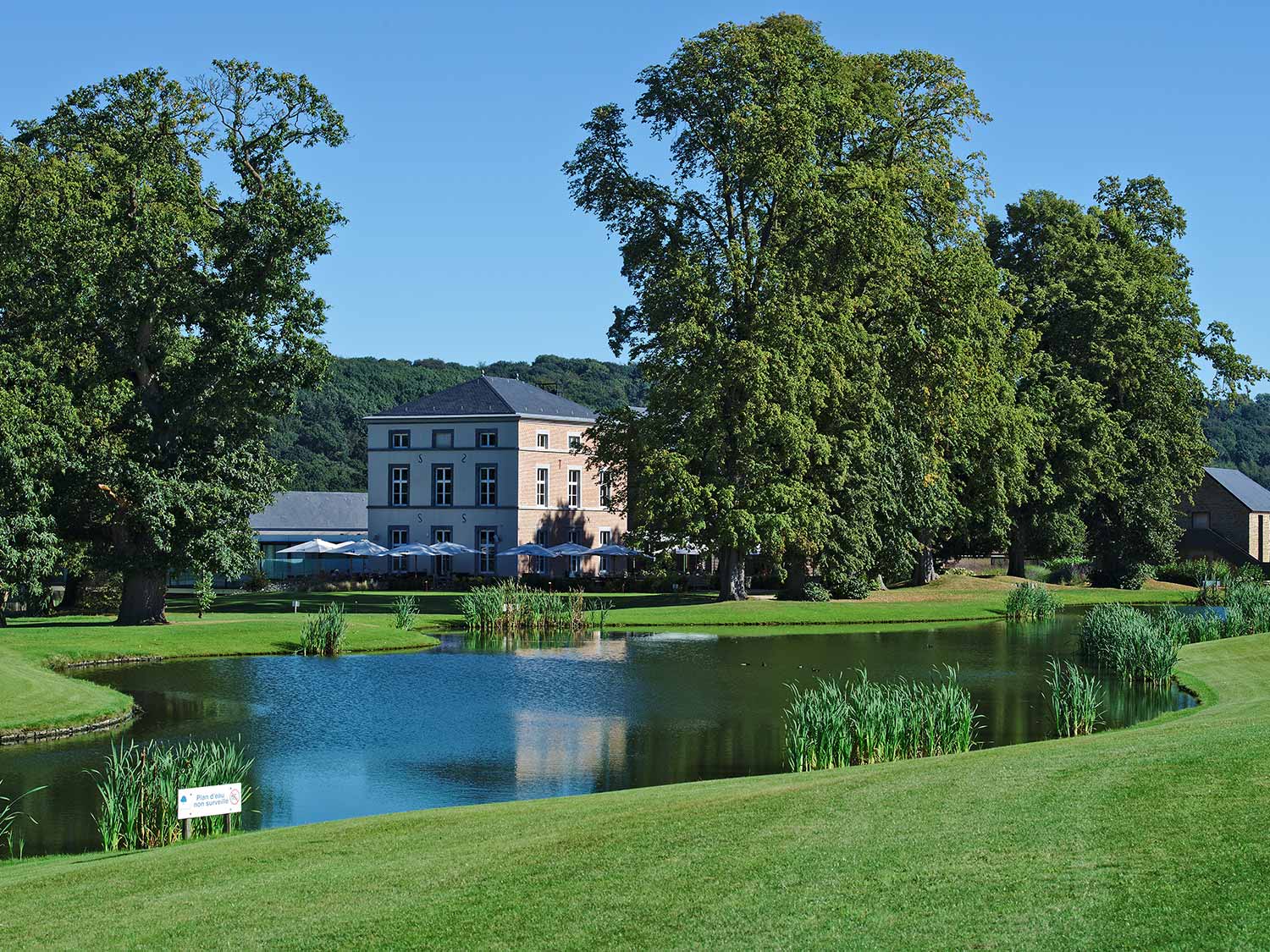
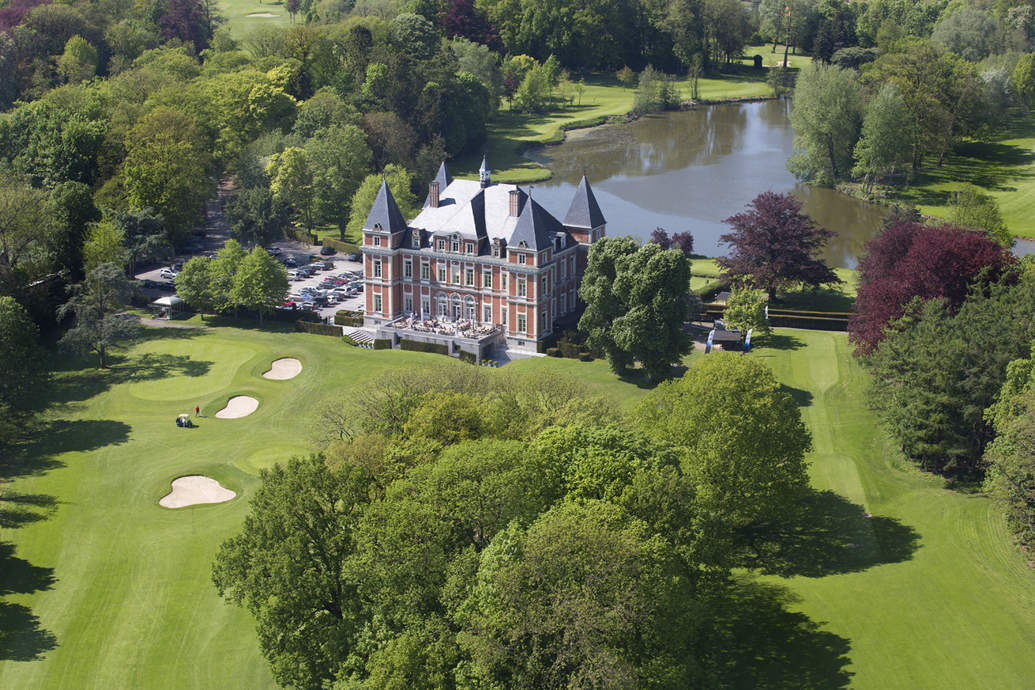
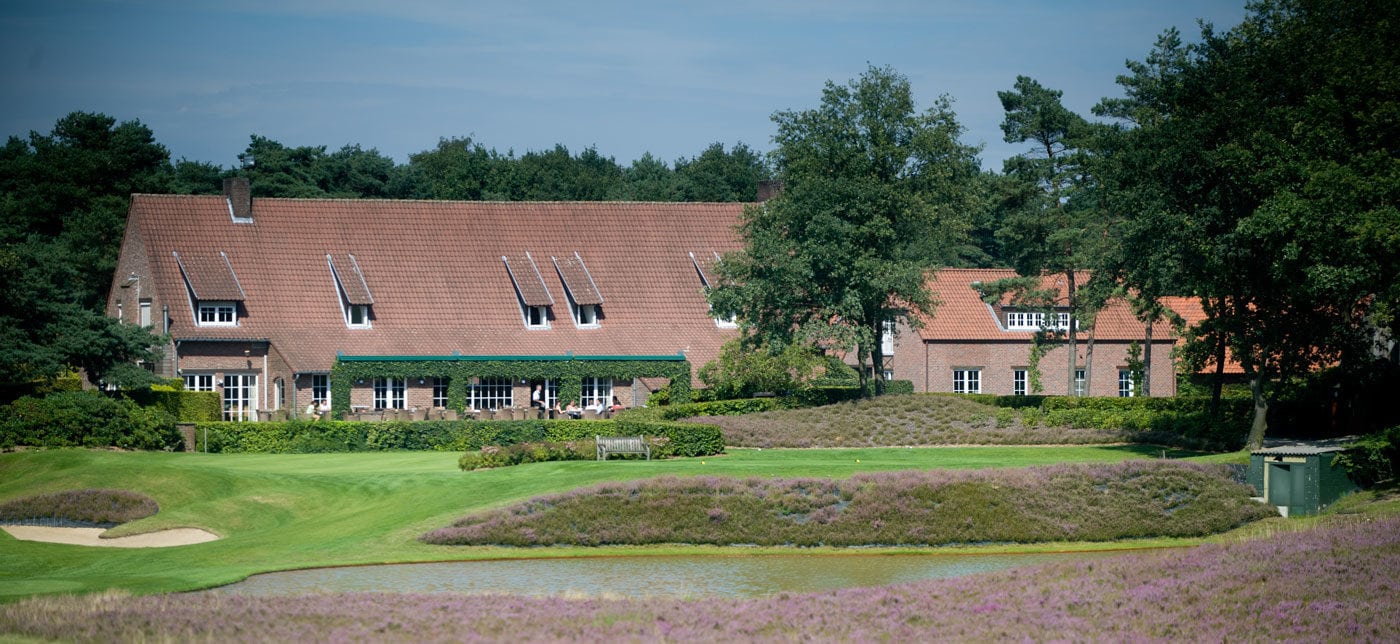
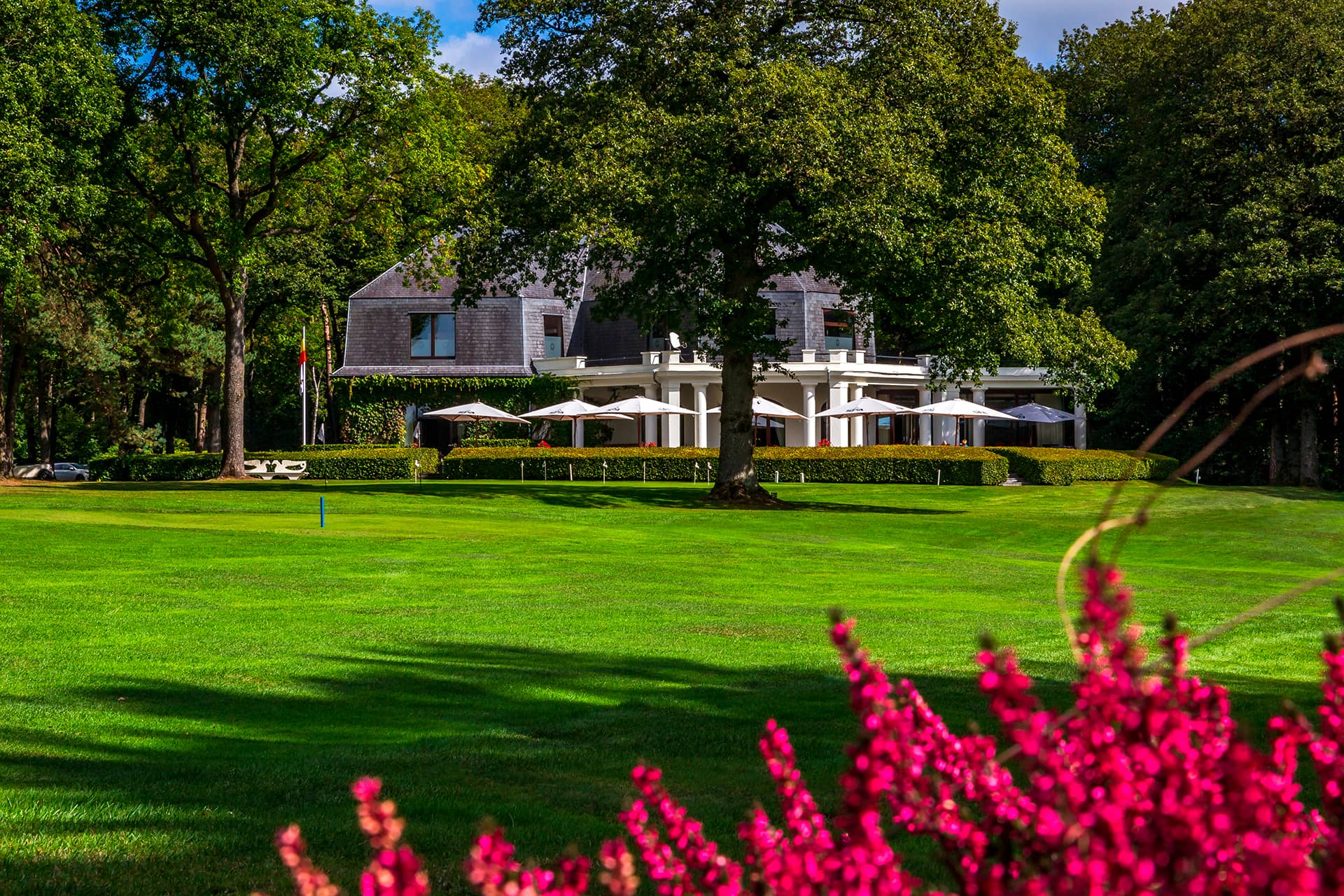
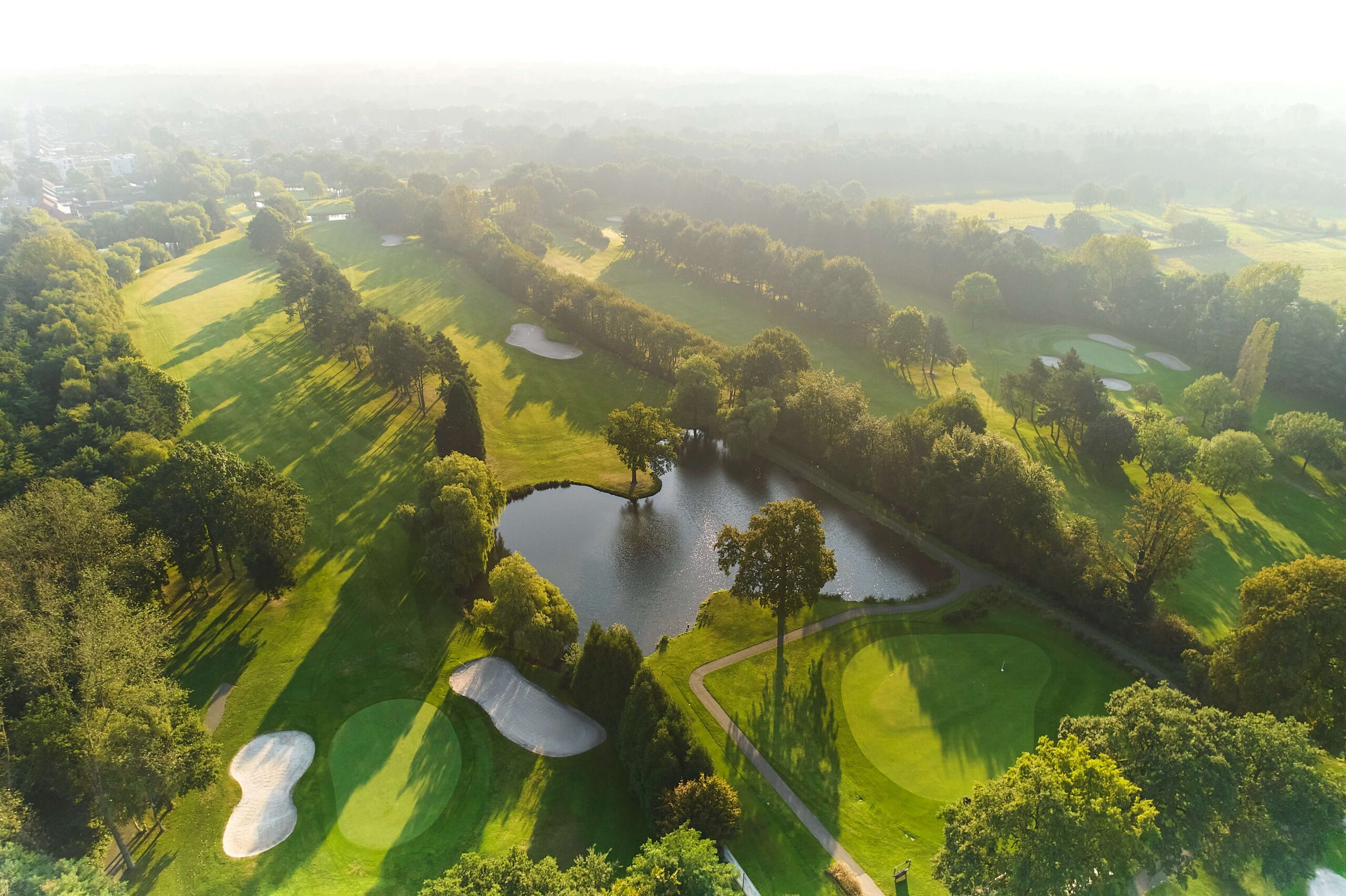
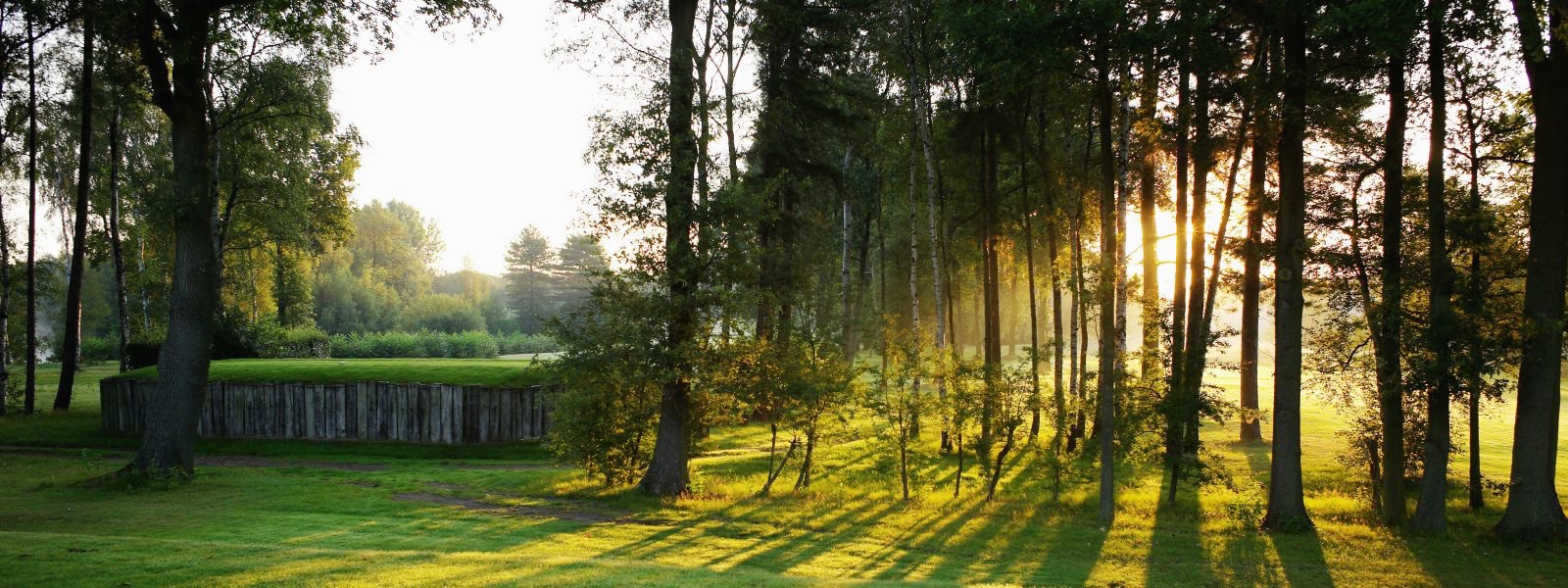
Belgium is a country golfers drive through more often than they play in, which is a small mistake. It sits in the shadow of the big-name links of England and the heathland of the Netherlands, and it rarely markets itself hard. But the golf here is genuine parkland country: tree-lined, well-watered, quietly mature, with a handful of clubs carrying the Royal prefix that signals real pedigree rather than marketing gloss.
Expect green, leafy, walkable courses rather than dramatic coastline or mountain golf. The terrain is mostly gentle. The country is small and dense, which is the single best argument for a golf trip here: you can base yourself in one spot and reach a lot of good golf without long transfers. Belgium is also bilingual, split between Dutch-speaking Flanders in the north and French-speaking Wallonia in the south, and that split shows up in the courses you'll find in each region.
When to go
The Belgian golf season runs roughly from April to October, with May, June and September the sweet spot. Those months give you the best combination of dry-ish ground, long daylight and temperatures that are comfortable for walking 18 holes. Midsummer, July and August, is warm and pleasant but coincides with Belgian and wider European holidays, so weekend tee times at the busier clubs near Antwerp and Brussels fill up.
This is a maritime climate, which is a polite way of saying it rains, and it can rain in any month. Bring waterproofs regardless of the forecast. Spring tends to be fresher and drier underfoot than autumn; by October the parkland courses hold water and play long, though the autumn colour on the tree-lined layouts is worth something. Winter golf is possible on milder days but expect temporary greens, soft fairways and limited light.
Weekdays are your friend for both price and availability. Many Belgian clubs remain member-focused, and weekend mornings are the members' domain. If you can play Monday to Friday, you'll get on more easily and pay less.
The courses worth planning around
Around Antwerp and the north
The Antwerp area is the strongest single cluster in the country and the most logical base. Royal Antwerp Golf Club is the headline name, one of continental Europe's oldest clubs and a proper tree-lined test with the sort of settled, mature feel that only comes with age. If you play one course in Belgium as a golf pilgrim, this is the one to build around.
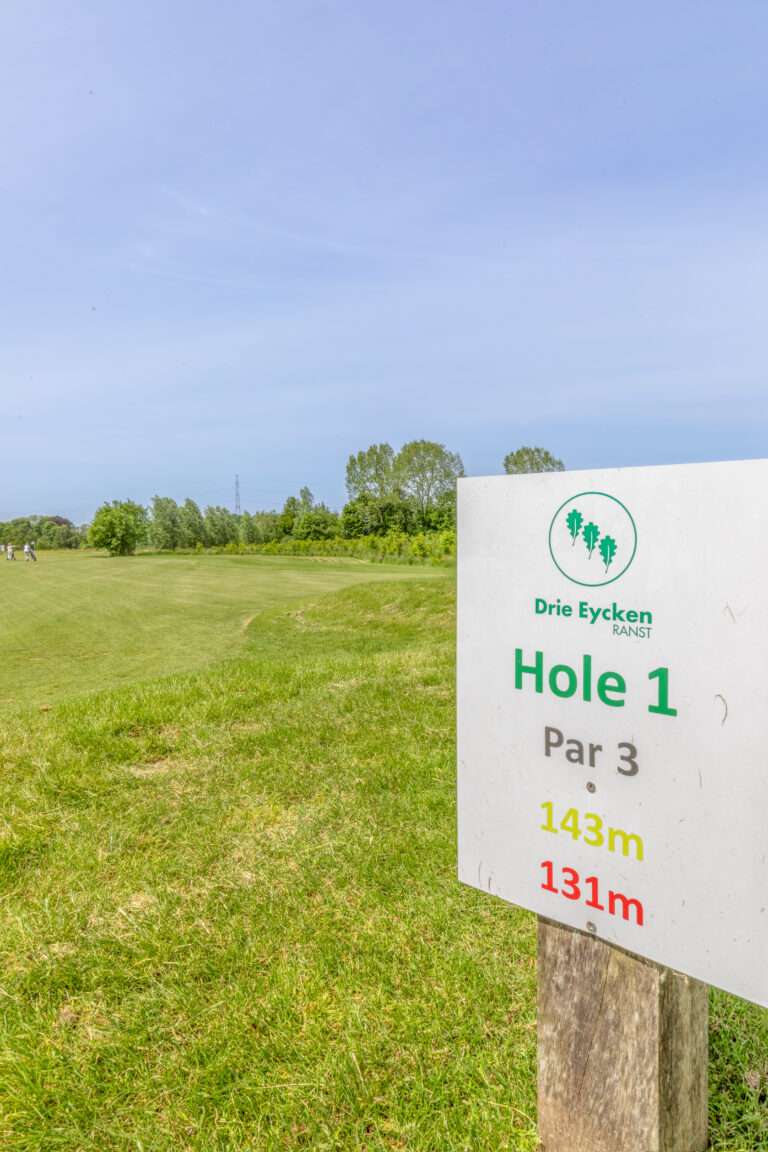
Close by, Brasschaat Open Golf & Country Club sits in the leafy, affluent commuter belt north of the city and offers a relaxed, open-access counterpart to the more traditional Royal Antwerp. Golfclub Drie Eycken Ranst and Golf Club Puurs, at Breendonk just south of Antwerp toward Brussels, round out a group of accessible parkland courses that make good mid-week rounds when you don't want the formality of a members' club. All of these are within a short drive of central Antwerp.
The Kempen and Limburg
East of Antwerp the landscape opens into the Kempen, a sandier, more heath-and-pine region that historically produces some of the better-draining golf in Belgium. Kempense Golfclub is the local name here, set in that pine-and-sand character that plays firmer than the heavier parkland further west. Push on into Limburg province and you reach Koninklijke Limburg Golf Club, another Royal club with real standing, and Millennium Golf at Paal, a more modern layout that adds variety to a Limburg-based trip.
Flanders and the coast
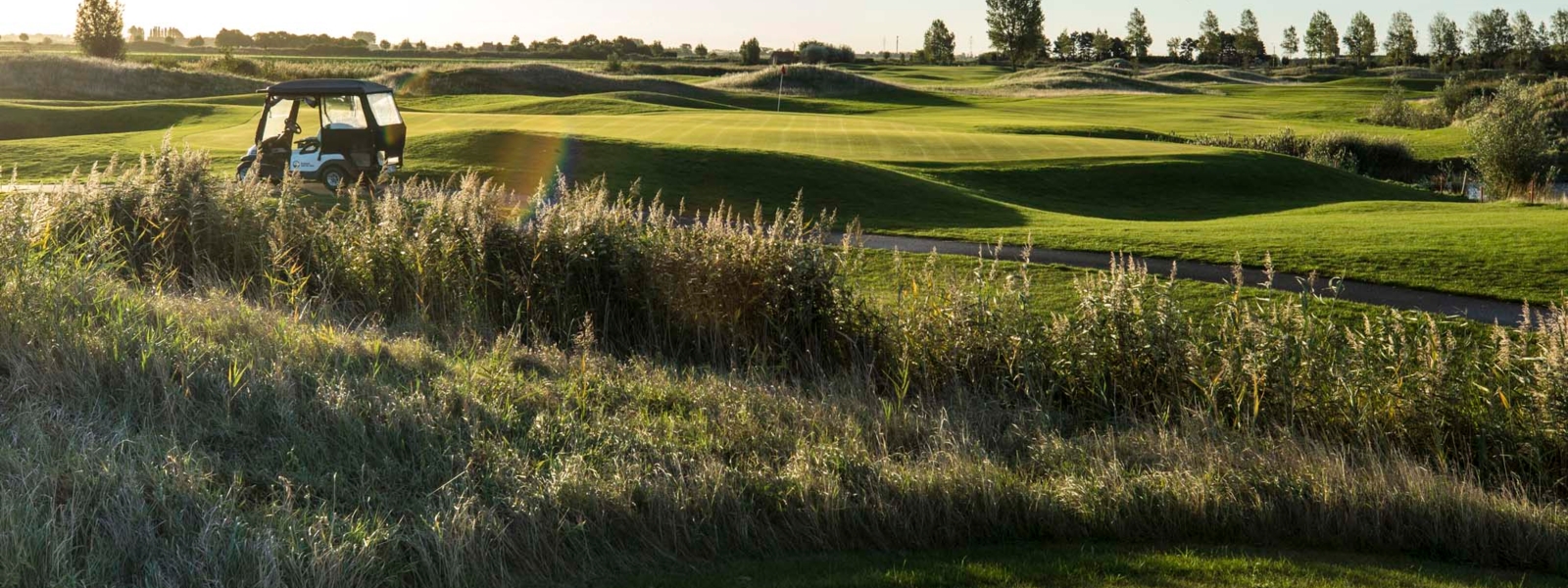
West Flanders gives you two distinct reasons to travel. On the coast, Koksijde Golf Ter Hille is the closest thing on this list to seaside golf, sitting near the North Sea shore in the dune belt of the Belgian coast — worth pairing with a stay in the coastal resorts if you want beach and golf in the same trip. Inland, Ieper Open Golf at Ieper (Ypres) puts you in the heart of the First World War battlefield region, which makes for a resonant combined golf-and-history stop. Golf & Country Club Oudenaarde, at Wortegem-Petegem in the Flemish Ardennes, sits in the cycling country made famous by the Tour of Flanders and gives you gently rolling terrain rather than the flatter northern plain.
Brussels and Wallonia
For a Brussels base, Royal Amicale Anderlecht Golf Club keeps you inside the capital's orbit. Head south into French-speaking Wallonia and the character shifts again: Golf de Falnuée at Mazy and Naxhelet Golf & Country Club at Wanze both sit in the rolling countryside of the Namur/Liège corridor, with Naxhelet in particular built as a country-club destination with more than just the golf. Further into the Ardennes, Royal Golf Club des Fagnes carries the Royal name and the higher, more wooded setting of eastern Belgium.
Practical matters
Belgium is one of the easiest countries in Europe to reach and to move around. Brussels Airport and Brussels South Charleroi handle most international arrivals, and Antwerp and the coast are both within easy reach by car or rail. Eurostar and Thalys/Eurocity trains connect Brussels directly with London, Paris, Amsterdam and Cologne, so a rail-and-hire-car trip works well.
You will want a car for a golf trip. Distances between courses are short by the standards of most golf destinations — much of this list falls within an hour or two of Antwerp or Brussels — but the courses sit in suburbs, villages and countryside that public transport reaches slowly. The motorway network is dense and the country is genuinely compact, so day-tripping to two courses in different regions is realistic. Watch for traffic around Antwerp and Brussels at peak hours, which can undo an otherwise short drive.
A sensible trip shape:
- Antwerp base (3–4 days): Royal Antwerp as the centrepiece, plus Brasschaat, Drie Eycken Ranst and Puurs, with an easy run east to the Kempen and Limburg clubs.
- Coast and Flanders base: Koksijde Golf Ter Hille for the dune setting, Ieper Open Golf for the history, and Oudenaarde for the rolling Flemish Ardennes.
- Brussels / Wallonia base: Anderlecht in the city, then Falnuée, Naxhelet and Royal Golf Club des Fagnes as you head south.
On booking: several of the stronger clubs are traditional members' clubs, so email ahead, be ready to show a handicap certificate, and keep to smart golf dress. Weekday visitor access is generally straightforward; weekends less so. Because published green fees vary by club, day and season, confirm rates and any visitor restrictions directly when you book rather than assuming turn-up-and-play.
Who this destination suits
Belgium suits the golfer who likes mature, walkable parkland and doesn't need every round to be a bucket-list spectacle. It rewards travellers who are already coming to the region — for Brussels, Antwerp, the Flanders battlefields, the beer, the coast — and want to fold in three or four good rounds without long transfers. It's a strong pick for a mixed golf-and-culture trip, and for players based in the UK, the Netherlands or northern France who can reach it in a few hours.
It's a less obvious choice if you're after links golf, dramatic scenery or guaranteed sunshine — the coast aside, this is inland parkland in a rainy maritime climate, and you should plan for weather. It's also not the place for a golfer who wants pure resort convenience with everything on one property; the appeal here is a compact country full of individual clubs, best enjoyed with a car, a flexible weekday schedule and a set of waterproofs in the boot.