
Golf in the Netherlands: A Practical Guide to the Randstad and Beyond
Netherlands
What golf here is actually like
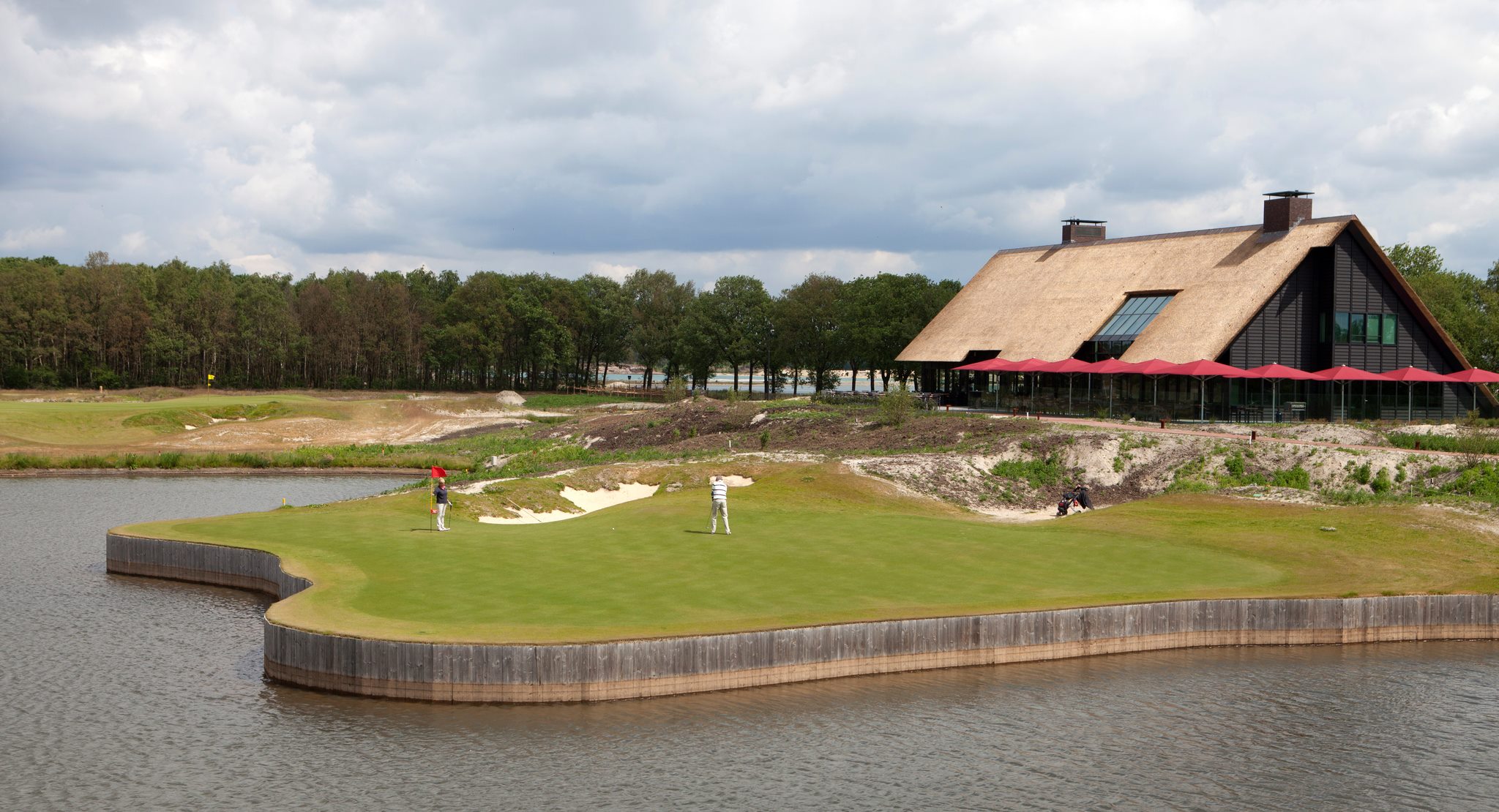
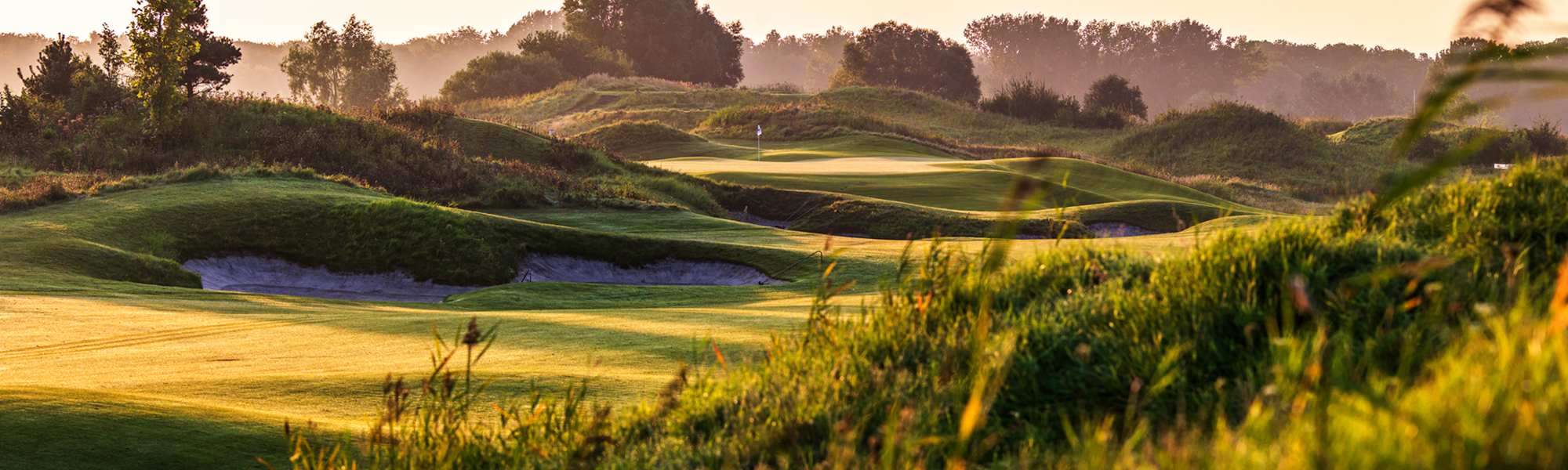
Dutch golf splits neatly into two experiences. Along the North Sea coast you get genuine linksland — sandy soil, wind, and the kind of firm, running conditions that reward a low ball and punish a stubborn one. Move inland and you find heathland laid over old sand belts, plus a good deal of newer parkland built on reclaimed or converted farmland. It is a compact country, flat almost everywhere, and that flatness is deceptive: the wind does the work the terrain doesn't.
This is not a bucket-list destination in the sense of Scotland or the Algarve, and it doesn't pretend to be. What it offers instead is quiet, well-conditioned golf within short driving distances of Amsterdam, The Hague and Rotterdam — and the ability to combine a round with a city break without a long transfer. The clubs range from old and traditional to modern pay-and-play operations, so the character of your trip depends heavily on which courses you build it around.
When to go
The Dutch golf season runs comfortably from April through October, with May, June and September being the sweet spots. Late spring gives you long daylight, drying fairways and courses in good early-season nick. September delivers similar conditions with fewer crowds and softer light.
July and August are the warmest but also the busiest, coinciding with Dutch and wider European school holidays — book tee times ahead, especially at the members' clubs near the coast. Weather is maritime and changeable year-round: expect wind on any day, rain that arrives and clears quickly, and temperatures that rarely reach uncomfortable extremes. Coastal courses stay playable in shoulder months when inland ground can get heavy.
Winter golf is possible on the sandier links and heathland tracks, which drain well, but daylight is short and many clubs move to temporary greens or restricted access. If you want firm, fast conditions and full course availability, aim for the May-to-September window.
The courses worth planning around
The coast: links and traditional clubs
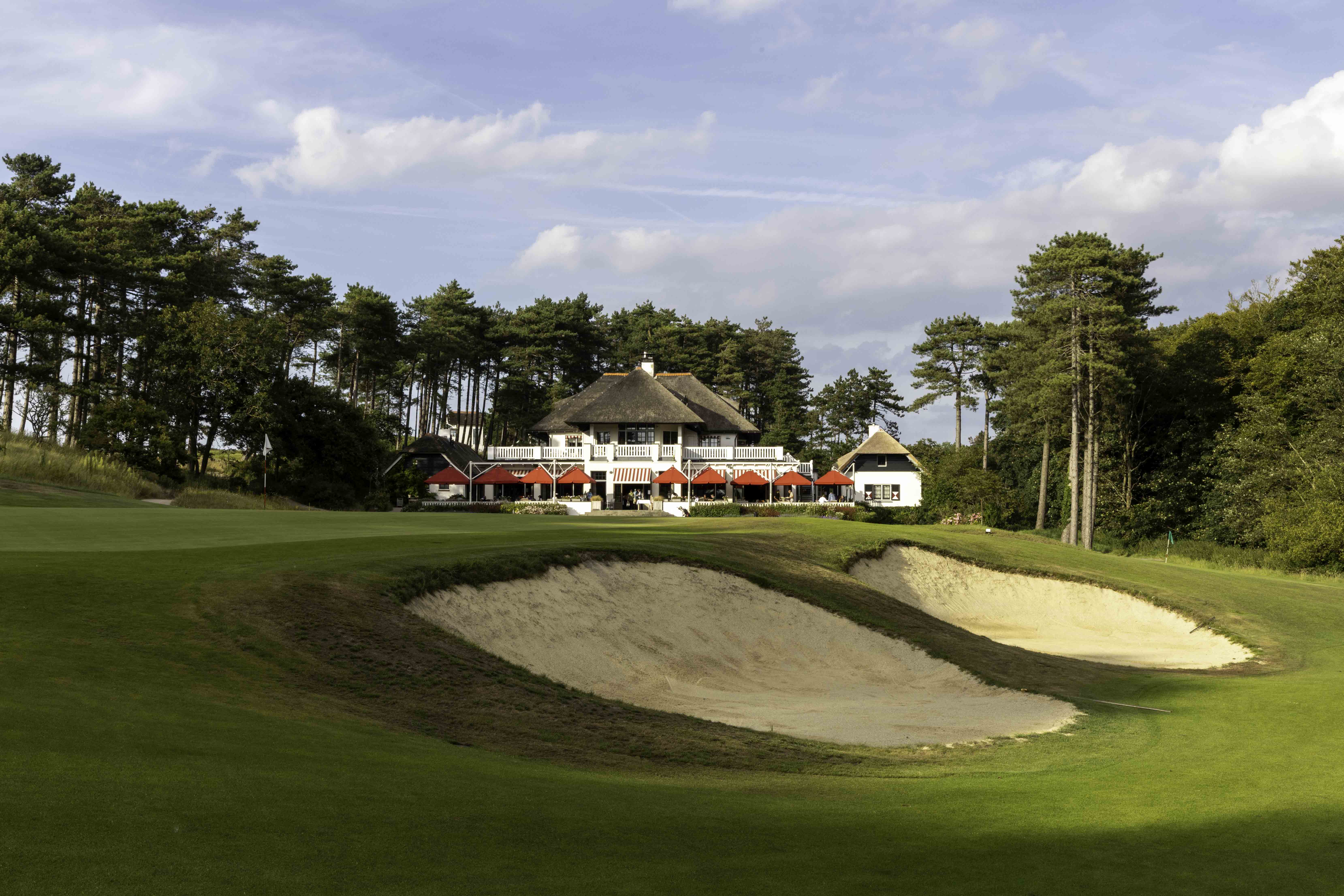
The strongest concentration of serious golf sits in and around Wassenaar, just north of The Hague. The Koninklijke Haagsche Golf- en Country Club is the marquee name — a royal club on genuine duneland, the kind of course that defines what Dutch links golf can be. Playing it takes some doing as a visitor, but it anchors the region and sets the standard everything else is measured against.
Also in Wassenaar, Wassenaarse Golfclub Rozenstein gives you another taste of the coastal belt in the same easy-to-reach pocket near The Hague. Between the two, Wassenaar is the natural base for anyone whose priority is sand-based golf and proximity to the city.
Heathland and classic inland golf
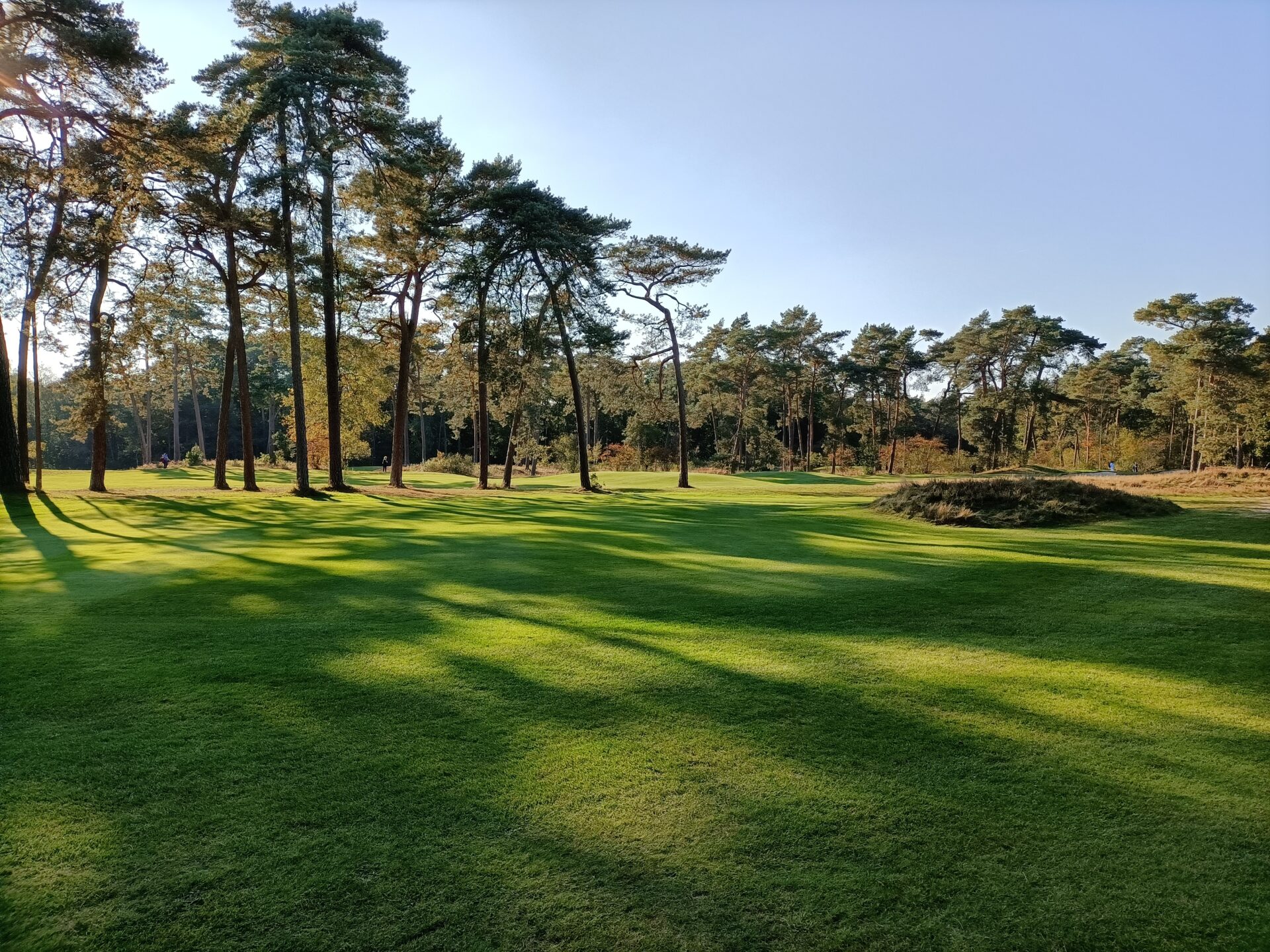
Inland, the Hilversumsche Golf Club is the standout. Set in the wooded, sandy Gooi region southeast of Amsterdam, it is one of the country's most respected heathland courses — tree-lined, strategic, and firm underfoot in dry spells. If you play only one non-coastal course, make it this one. Hilversum is also home to Golfclub 't Jagerspaadje, which makes the town a convenient two-course stop in its own right.
Further east and south, Golfclub Anderstein at Maarsbergen sits in the Utrechtse Heuvelrug area, one of the few genuinely undulating parts of the country, and rewards the drive out. Golf- en Businessclub De Scherpenbergh at Lieren puts you near the Veluwe, the large forested national-park region — a good pairing of golf and countryside if you want to get away from the urban west.
Near Amsterdam and Schiphol
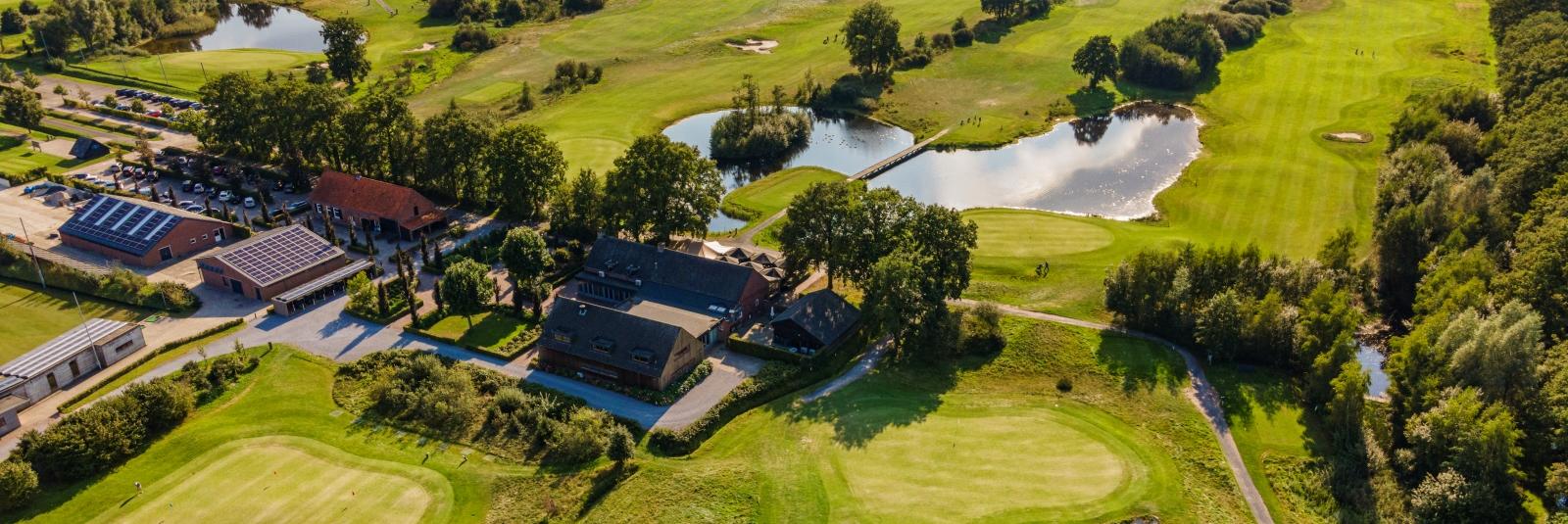
The International at Badhoevedorp is the most convenient serious golf to Amsterdam Airport, sitting just outside Schiphol. That location makes it an obvious first or last round on a trip — you can play, then head straight to the terminal. It's the natural pick for anyone travelling light on time.
The south and other options
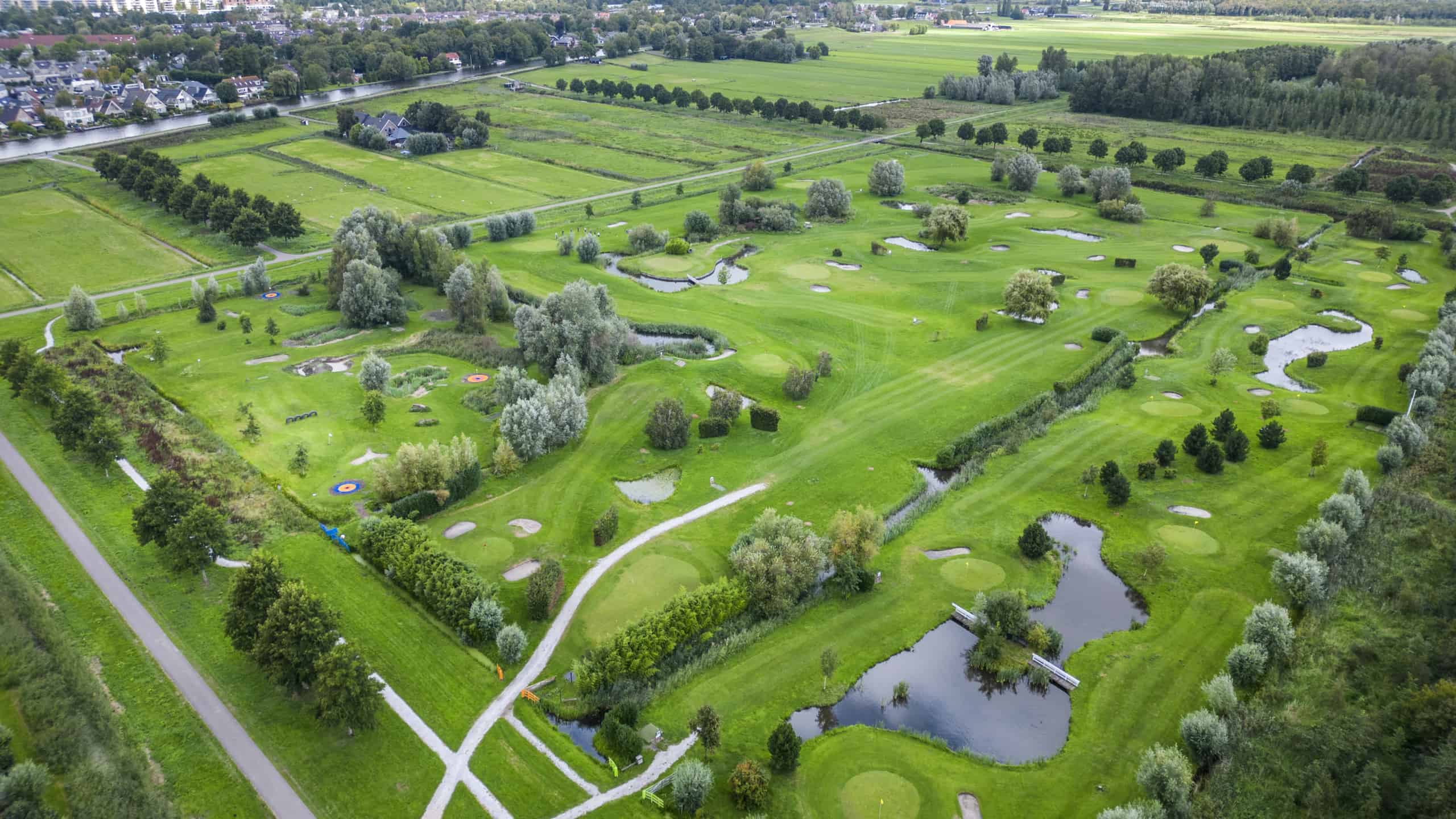
South towards Brabant, the destination spreads out. Golf & Country Course Sint-Oedenrode and Golfbaan Stippelberg at Bakel sit in the Noord-Brabant countryside, while Golfpark De Turfvaert at Rijsbergen is close to the Belgian border, handy if you're combining a trip with Antwerp or the Flemish courses. De Strijensche Golfclub lies south of Rotterdam in the polder landscape near the Hollands Diep.
North of Amsterdam, Regthuys Golf at Winkel serves the North Holland region above the city, and Golfpark De Star at Leidschendam slots neatly between The Hague and the coast. These fill out an itinerary rather than justifying a trip on their own — but they're useful for building a route that isn't just the same three clubs everyone else plays.
Practical matters
Getting here is the easy part. Amsterdam Schiphol is one of Europe's best-connected airports, and Rotterdam The Hague airport handles a good number of regional flights. From Schiphol you can be at The International in minutes and at the Wassenaar coast or the Hilversum heathland inside an hour.
Distances are short by any standard. The core golf regions — the Wassenaar/The Hague coast, the Gooi around Hilversum, and the Schiphol/Amsterdam belt — are all roughly within an hour of each other. You can comfortably base yourself in one place and day-trip to two or three courses without ever facing a serious transfer.
- Hire a car. Public transport is excellent for cities but awkward for golf clubs, several of which sit off the rail network. A car opens the whole itinerary.
- Watch the traffic. The Randstad — the conurbation running through Amsterdam, The Hague, Rotterdam and Utrecht — has real rush-hour congestion. Plan tee times to avoid driving across it at 8am or 5pm.
- Book members' clubs ahead. The older, more prestigious clubs restrict visitor access and often require a handicap certificate. Sort this before you travel rather than turning up hopeful.
- Cycling and golf mix well here. This is the world's flattest cycling country; several courses are reachable by bike from town if you want a slower trip.
A typical trip looks like three or four nights based near The Hague or Amsterdam, playing coastal golf around Wassenaar, heathland around Hilversum, and one convenient round near Schiphol to bookend the arrival or departure. Add the southern or northern courses only if you're already heading that way — say, driving down towards Brabant and Belgium.
Who it suits — and who it doesn't
The Netherlands suits the golfer who wants variety and city access in one package. If you like the idea of playing coastal links in the morning and being at a museum, a restaurant or a canal-side bar by evening, this delivers that better than almost anywhere. It also suits anyone who enjoys wind golf and firm ground, and travellers who value short transfers over dramatic landscape.
It's a strong choice for a golf-plus-city weekend, for players passing through Schiphol with a day to spare, and for those who want quiet, honest golf without the crowds and pricing of the big-name destinations.
It is a weaker choice if you're after mountain scenery, guaranteed sunshine, or a resort where everything sits within a single gated property — that's not the Dutch model. It's also less ideal if you can't or won't drive, since the best courses are scattered and not all rail-friendly. And if your heart is set purely on championship links and nothing else, you'll play a couple of excellent coastal courses here but you won't fill a week with them.
Come for the mix: coast, heath and parkland within an hour of a great city, played on sandy ground under a big, changeable sky. On those terms, the Netherlands is an underrated stop.