Golf on the Lancashire Coast: A Practical Guide to the Links and Parkland Between Southport and Blackpool
Lancashire Coast
What golf here is actually like
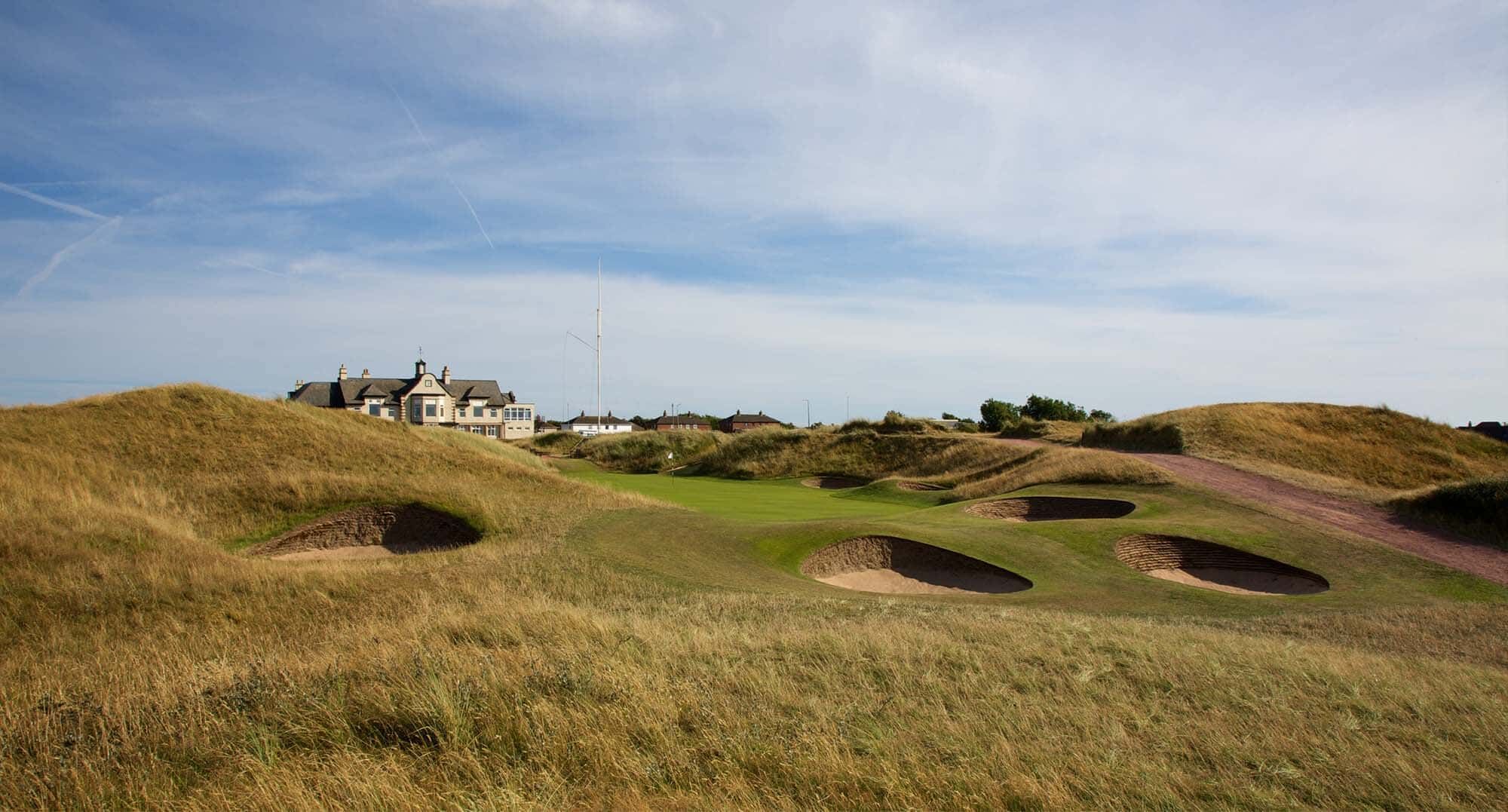
The Lancashire coast is one of the great concentrations of links golf in England, sitting on the same sandy belt that runs up the northwest shore from Liverpool through Southport and on toward the Fylde. This is a strip of land built for the game: firm turf over sand dunes, wind that arrives off the Irish Sea with no warning, and a run of championship-pedigree courses within a short drive of one another. It is not a manicured resort destination in the Mediterranean sense. It is workmanlike, weather-exposed, and deeply serious about golf.
The trade-off is that alongside the famous links you get a large supporting cast of parkland and heathland courses inland and around Blackpool, which means a group of mixed abilities can build a week without playing the same style of hole every day. With 20 courses in the region, there is real depth here beyond the headline names.
When to go
The playing season peaks from late April through September. May, June and early September are the sweet spot: the links are running firm and fast, daylight is long, and you avoid the worst of the summer holiday crowds that descend on Blackpool in July and August. Coastal Lancashire is genuinely changeable, so pack for four seasons in one round regardless of month — the wind is a bigger factor than the temperature here.
High season on the links courses means booking well ahead, particularly for the championship venues that host visitors around their member commitments. Blackpool's tourist peak (school summer holidays) pushes up accommodation prices across the Fylde without necessarily filling the golf courses, so there is sometimes value in playing while others are on the Pleasure Beach.
Winter golf is possible — the sandy links drain far better than inland clay and stay playable when parkland courses are waterlogged — but expect short days, biting onshore wind, and temporary greens on some venues after storms. Spring and autumn are the intelligent choices.
The courses worth planning around
The championship links
The southern end of the region, around Southport and Liverpool, holds the heavyweight links and is where most serious golf trips are anchored.
- Southport and Ainsdale Golf Club — a classic dunes links with genuine championship history, the kind of course that rewards controlled ball flight and punishes the golfer who tries to overpower it. This is a plan-your-trip-around-it round.
- The West Lancashire Golf Club, on the coast near Liverpool, is one of the oldest and most respected links in the county — firm, fast and exposed, with the sea air very much part of the examination.
- St Annes Old Links in Lytham St Annes is the standout at the northern end of the coast. It is a proper championship links, tougher and more windswept than its parkland neighbours, and a must-play if you are basing yourself around the Fylde rather than Southport.
Parkland and heathland alternatives
Between and around the big links sit a strong group of inland courses that make good change-of-pace days, especially when the wind on the coast is severe.
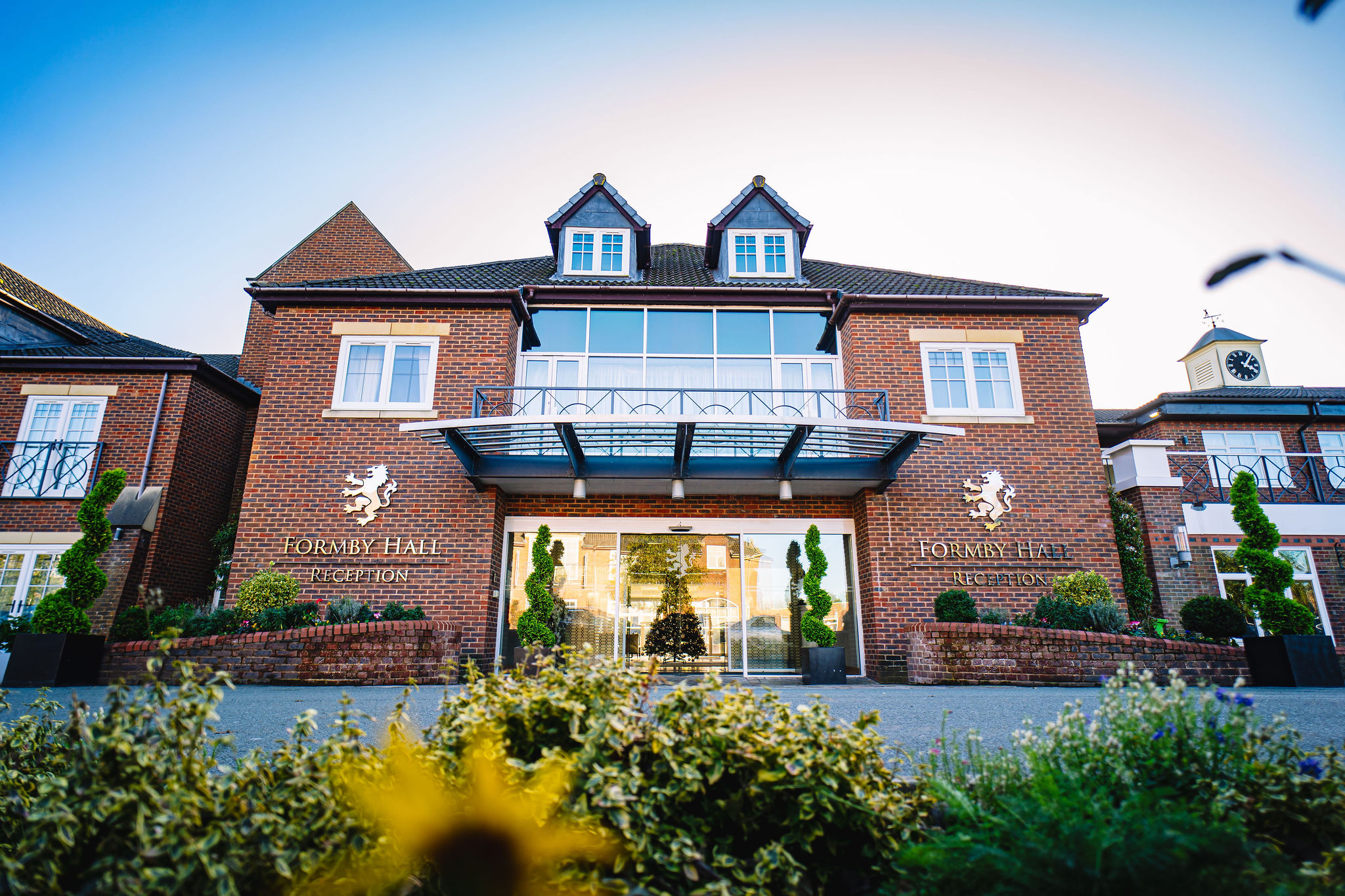
- Formby Hall Golf Course sits in the golf-rich Formby area and offers a more sheltered, tree-lined test than the exposed links a short distance away.
- Lytham Green Drive Golf Course, also in Lytham St Annes, is a well-regarded parkland course that pairs neatly with St Annes Old Links for a two-round day trip to the Fylde without moving accommodation.
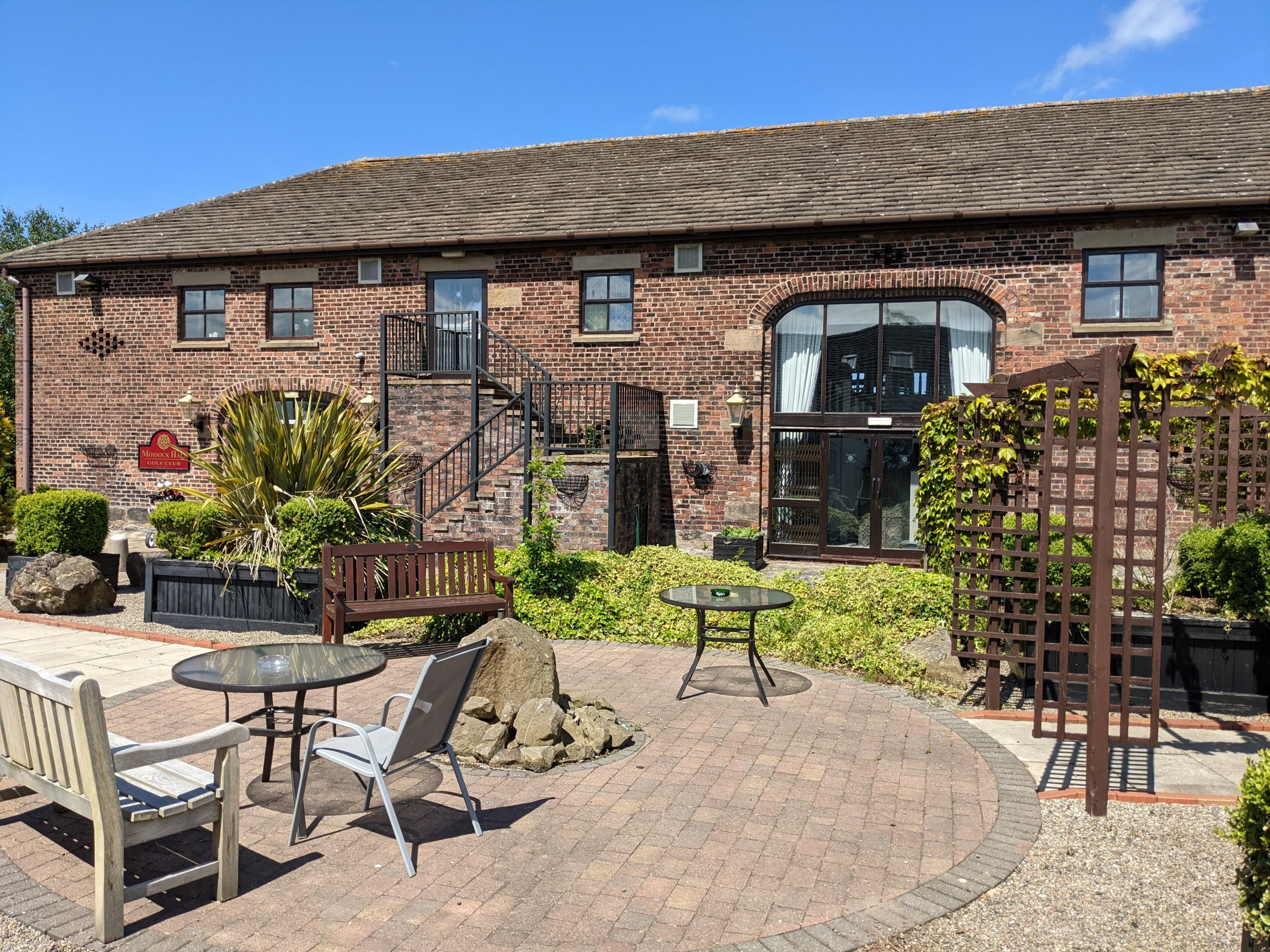
- Hurlston Hall Golf Club and Mossock Hall Golf Club (Bickerstaffe) sit inland near Ormskirk and give the region's parkland its backbone — good options when you want a break from the dunes.
- Ormskirk Golf Club is another established inland club in the same cluster, handy for anyone basing themselves between Southport and the M6.
Blackpool and the Fylde
Blackpool itself is more accessible, holiday-golf territory, useful for a relaxed round or for families where not everyone is a golfer.
- Blackpool North Shore Golf Course is the pick of the town's courses, close to the seafront and a solid round in its own right.
- Heron's Reach Golf Course is a more modern layout in Blackpool, typically the easiest to book at short notice.
- Stanley Park Golf Course is a municipal option in Blackpool — straightforward, well located, and useful for a warm-up round or a cheaper day.
- Staining Lodge Golf Course and Poulton le Fylde Golf Club round out the Fylde options for golfers staying north.
For those coming into the region from Liverpool, Bootle Golf Club is a convenient municipal-style course at the southern edge of the golfing belt.
Practical matters
The region divides neatly into two bases, and choosing between them shapes the whole trip:
- Southport / Formby / Ormskirk (southern base): This is the choice for a golf-first trip. Southport is a proper Victorian seaside town with a good stock of hotels, and it puts you within easy reach of Southport and Ainsdale, West Lancashire, Formby Hall and the Ormskirk-area parkland courses. The championship links density here is the region's real draw.
- Lytham St Annes / Blackpool (northern base): Better if you want St Annes Old Links and Lytham Green Drive on the doorstep, or if you are travelling with non-golfers who will appreciate Blackpool's attractions. The Fylde courses cluster tightly, so you can string several together with short drives.
Getting there is easy by UK standards. Manchester Airport is the main international gateway, roughly an hour and a quarter from the southern coast by car and a little further to the Fylde. Liverpool John Lennon Airport is closer to the Southport end. The M6, M58 and M55 connect the whole region, and rail links run to Southport, Lytham, St Annes and Blackpool — but you will want a car to move efficiently between courses.
Distances within each base are short: rounds are typically 15 to 30 minutes apart. Travelling the full length of the coast from Liverpool to Blackpool takes around an hour, which means a determined golfer staying in the middle could reach almost everything, though most visitors sensibly pick one end and play out from there.
A typical trip runs three to five nights, one round a day, mixing two or three of the serious links with a parkland day and a lighter Blackpool round. Tee times on the championship courses should be arranged in advance; the municipal and modern courses are far more flexible.
Who it suits — and who it doesn't
This region is made for the golfer who genuinely wants to play links golf and understands what that involves: wind, firm ground, run-out, and the need to keep the ball low and think your way around. If St Annes Old Links, Southport and Ainsdale and West Lancashire are the reason you are booking, you will leave very satisfied. Mixed-ability groups are well served too, because the parkland courses inland and around Blackpool give the less experienced somewhere to breathe.
It suits travellers who don't mind a functional, unglamorous setting. This is not a manicured golf-resort bubble; you stay in seaside towns and drive to real, member-run clubs. Blackpool in particular is a family holiday town first and a golf destination second.
It suits it less if you are chasing guaranteed sunshine and a all-inclusive resort experience — the Lancashire weather makes no such promises. And if you want everything on one campus, walking from room to first tee, this coast isn't built that way. Come for the golf and the coastline, expect to drive a little, pack a waterproof, and time your visit for late spring or early autumn.